With the growth of internet connectivity, the use of smartphones, and the development of cloud computing, businesses are changing to meet the needs of the digital business strategy. This change can be seen in the growth of subscription-based businesses, the development of online marketplaces, the growth of SaaS-based businesses, and the development of fintech ecosystems. This change can be attributed to the fact that people are expecting convenience, personalization, and the availability of information on the go.
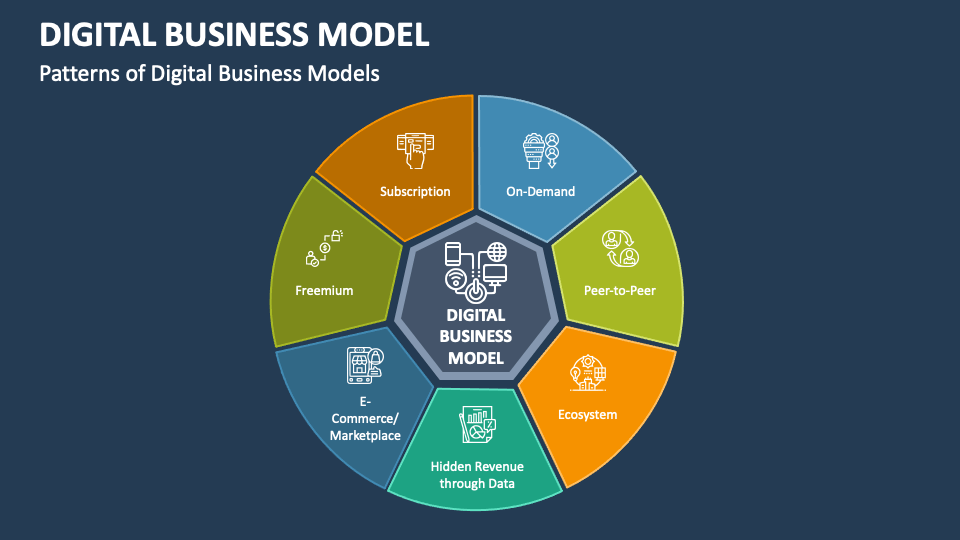
It is important for entrepreneurs, businesses, and marketers to grasp the concept of digital business strategy, revenue generation, and the concept of online monetization.
What Digital Business Models Are and Why They Exist
What is a Digital Business Model?
A digital business model describes how a business makes money through the use of digital channels. A digital business model describes the value proposition, target customers, revenue model, digital infrastructure, and key partnerships.
Some of the common types of digital business models include:
Subscription-based model
Freemium model
Marketplace model
Advertising model
Software as a Service model
On-demand model
These business models are a result of the fact that digital technologies offer fewer barriers to business. Cloud computing, for instance, eliminates the need for expensive infrastructure. Mobile apps offer global reach. Data analysis offers targeted marketing.
The development of digital payment systems, cybersecurity, and hosting infrastructure has only helped the development of the internet business ecosystem.
Why Digital Business Models Matter Today
Digital business models are central to economic growth and global connectivity. They impact:
• Startups launching online platforms
• Enterprises implementing digital transformation strategies
• Investors evaluating scalable revenue models
• Consumers seeking convenience and accessibility
In today’s environment, digital revenue streams often outperform traditional channels due to scalability and automation. A cloud-based SaaS company, for example, can serve thousands of customers without proportional increases in infrastructure.
Key problems digital models address include:
• Geographic limitations in traditional retail
• High operational overhead
• Limited data insights
• Manual customer support processes
• Inefficient supply chains
The table below highlights differences between traditional and digital models:
| Aspect | Traditional Model | Digital Model |
|---|---|---|
| Distribution | Physical stores | Online platforms |
| Customer Data | Limited tracking | Advanced analytics |
| Scalability | Slower expansion | Rapid global reach |
| Cost Structure | Fixed overhead | Flexible cloud-based |
| Customer Interaction | In-person | Digital engagement |
Because of these advantages, digital entrepreneurship and online business development have become central topics in modern business education and investment analysis.
Recent Updates: Trends and Changes in the Past Year
The digital economy continues to evolve rapidly. In 2025, several trends have gained momentum:
Artificial Intelligence Integration
AI-driven automation tools are increasingly embedded into business workflows. Generative AI, predictive analytics, and intelligent chat systems are transforming customer interaction and operational decision-making.
Stronger Data Privacy Regulations
Countries are updating privacy frameworks to enhance consumer protection. Businesses must adapt to evolving compliance standards in data handling and cross-border transactions.
Growth of Platform Ecosystems
Major digital ecosystems are expanding their integrated services. For example, companies like Amazon and Shopify continue enhancing logistics, analytics dashboards, and AI-powered personalization tools.
Rise of Embedded Finance
Fintech capabilities such as digital wallets, instant lending infrastructure, and integrated payment gateways are becoming embedded within non-financial platforms.
Subscription Model Expansion
Streaming, software, education technology, and professional tools increasingly use recurring revenue frameworks to ensure predictable cash flow
Below is a simplified trend comparison graph illustrating model growth focus areas:
| Digital Trend 2025 | Growth Focus |
|---|---|
| AI Automation | High |
| Data Compliance | High |
| Subscription Economy | Moderate to High |
| Platform Consolidation | Moderate |
| Web3 Integration | Emerging |
These developments highlight how digital business innovation continues to adapt to technological and regulatory changes.
Laws and Policies: Regulatory Environment
Digital business models are influenced by national and international regulations. In India, for example, several frameworks affect digital enterprises:
Information Technology Act, 2000
This law governs electronic transactions, cybersecurity compliance, and data handling practices.
Digital Personal Data Protection Act, 2023
This legislation strengthens rules around personal data processing, consent management, and digital privacy standards.
Goods and Services Tax (GST) Regulations
Online platforms must comply with GST requirements for digital transactions and cross-border services.
Startup India Initiative
Government programs encourage digital entrepreneurship through simplified registration and compliance mechanisms.
Globally, similar frameworks include:
• General Data Protection Regulation (GDPR) in the European Union
• Consumer protection laws in the United States
• Cross-border e-commerce trade policies
Regulatory compliance is essential for maintaining transparency, consumer trust, and operational continuity in digital commerce.
Tools and Resources for Digital Business Models
Modern digital business operations rely on advanced platforms and analytical tools.
Cloud Infrastructure Platforms
• Amazon Web Services
• Microsoft Azure
• Google Cloud
Analytics and Data Tools
• Google Analytics
• Tableau
E-commerce and Platform Builders
• Shopify
• WooCommerce
Digital Marketing Platforms
• HubSpot
• Mailchimp
Financial Technology Integration
• Razorpay
• Stripe
These tools support scalable infrastructure, customer acquisition, performance tracking, and secure transaction management.
Frequently Asked Questions
What is the most common business model for a digital business?
The most common business model for a digital business is the subscription business model and the SaaS business model, as these business models offer a constant inflow of income and growth.
How does a digital business platform generate revenues?
The revenues are generated through subscription fees, advertising, transaction fees, and the availability of digital products.
Is digital transformation a necessity for small businesses?
No, digital transformation is not a necessity for small businesses, though it is good for small businesses, as this helps small businesses to become efficient and expand the scope of the business.
What are the risks associated with the digital business model?
There are many risks associated with the digital business model. These risks are related to cybersecurity, regulation, saturation, and dependence on third-party websites.
How important is data analytics for the digital business model?
It is extremely important for the digital business model.
Conclusion
The digital business models have changed the global economy in that they have helped to create a new era of value creation through the use of digital technologies. From digital platforms to AI-powered automation and finance systems, the digital business models have changed the way we operate in the global economy.
The knowledge of online revenue models, digital transformation frameworks, and compliance is vital in ensuring that entrepreneurs and enterprises develop sustainable business models. As the digital business models change with the integration of artificial intelligence and the changing nature of digital business laws, entrepreneurs and enterprises should be willing to change and have the knowledge of the digital business models to ensure sustainability in the global economy.
The digital business models have changed the global economy in that they have helped to create a new era of value creation through the use of digital technologies. From digital platforms to AI-powered automation and finance systems, the digital business models have changed the way we operate in the global economy.