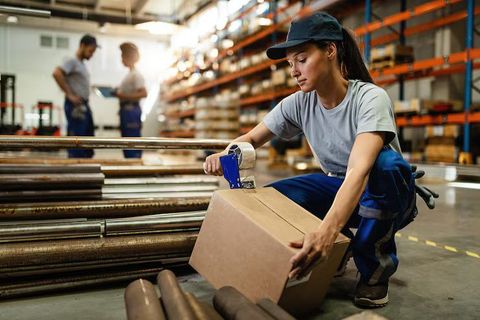
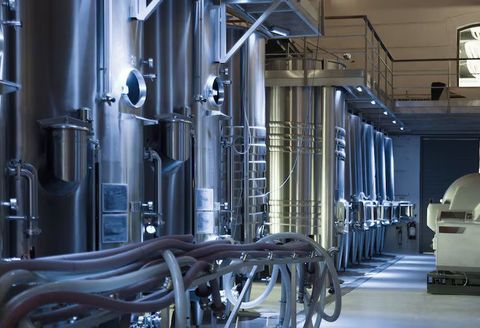
As industries continue to expand globally, the demand for durable and efficient storage solutions has increased significantly. Modern industrial container manufacturing combines advanced engineering, precision fabrication, automation technologies, and strict quality control systems to create products capable of meeting demanding industrial requirements.
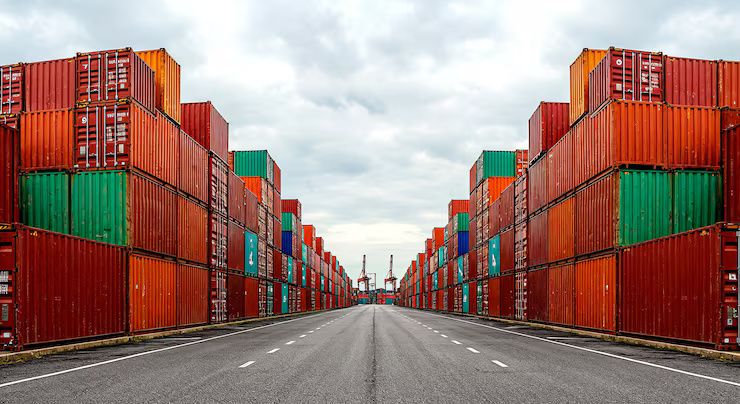
In this guide, we'll explore industrial container manufacturing, production technologies, advanced storage systems, and the industrial applications that make these containers essential across multiple sectors.
What Is Industrial Container Manufacturing?
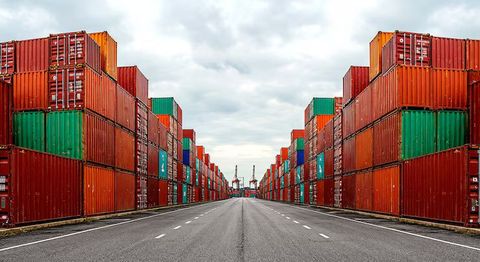
Industrial container manufacturing is the process of designing, fabricating, and producing storage and transportation containers used for handling industrial materials safely and efficiently.
These containers are engineered to withstand varying environmental conditions, heavy loads, chemical exposure, and long-term operational use.
Modern manufacturing facilities focus on:
- Structural durability and strength
- Safe material containment
- Efficient storage performance
- Compliance with industrial standards
These factors help ensure reliability throughout the container's operational lifespan.
Importance of Industrial Containers
Industrial operations require dependable storage systems to maintain productivity, safety, and inventory control.
Without properly designed containers, industries may face challenges related to material handling, transportation efficiency, and workplace safety.
Industrial containers support:
- Raw material storage
- Product transportation
- Inventory management
- Process material handling
- Supply chain efficiency
Because of these functions, containers remain a critical part of industrial infrastructure.
Common Types of Industrial Containers
Industrial containers are manufactured in various designs depending on storage requirements and operational environments.
Bulk Storage Containers
Bulk containers are designed for handling large quantities of materials such as grains, powders, chemicals, and industrial ingredients.
These containers are commonly used in manufacturing plants and processing facilities.
Intermediate Bulk Containers (IBCs)
IBCs are widely used for liquid and semi-liquid materials.
Their stackable design helps improve storage efficiency and transportation management.
Metal Industrial Containers
Metal containers are valued for their strength, durability, and ability to withstand demanding industrial conditions.
They are commonly used in heavy manufacturing and chemical industries.
Plastic Industrial Containers
Plastic containers provide lightweight and corrosion-resistant storage solutions.
They are often used for chemicals, food ingredients, and agricultural products.
Specialized Storage Containers
Certain industries require customized containers designed for specific materials, temperature conditions, or safety requirements.
Materials Used in Container Manufacturing
Material selection is one of the most important factors in industrial container production.
The chosen material must provide the strength, durability, and compatibility required for its intended application.
Common Manufacturing Materials
- Carbon steel for heavy-duty applications
- Stainless steel for corrosion resistance
- High-density polymers for lightweight storage
- Aluminum for strength and reduced weight
Material selection depends on:
- Product characteristics
- Storage environment
- Load requirements
- Industry regulations
Proper material selection helps improve operational safety and product longevity.
Industrial Container Manufacturing Process
Industrial container production involves multiple fabrication and quality control stages.
1. Design and Engineering
The process begins with engineering analysis and product design.
Manufacturers evaluate storage requirements, material characteristics, and operational conditions before developing production specifications.
Advanced design software helps improve structural accuracy and efficiency.
2. Raw Material Preparation
Production materials are prepared according to design requirements.
Metal sheets, polymer materials, and structural components are cut and shaped before fabrication begins.
3. Forming and Fabrication
Components are formed into the required container shape using industrial fabrication equipment.
This stage creates the primary structure of the container.
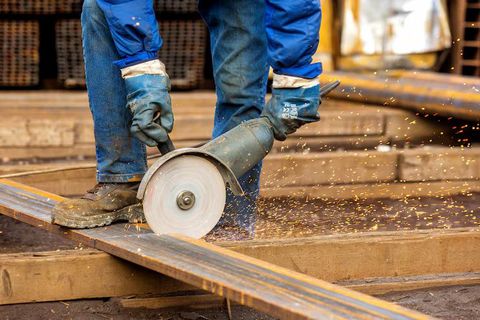
4. Welding and Assembly
For metal containers, fabricated sections are joined using industrial welding techniques.
Assembly operations ensure that all structural components meet dimensional specifications.
This stage is critical for:
- Structural integrity
- Leak prevention
- Long-term durability
5. Surface Treatment and Finishing
Protective coatings and surface treatments may be applied to improve resistance against corrosion, chemicals, and environmental exposure.
This helps extend the operational life of the container.
6. Quality Inspection and Testing
Before completion, containers undergo extensive testing procedures.
Testing commonly includes:
- Structural strength evaluations
- Leak testing procedures
- Dimensional inspections
- Material performance verification
These inspections help ensure compliance with industrial standards.
7. Packaging and Distribution
After successful testing, containers are prepared for transportation and industrial deployment.
Proper handling procedures help maintain product quality during delivery.
Advanced Manufacturing Technologies
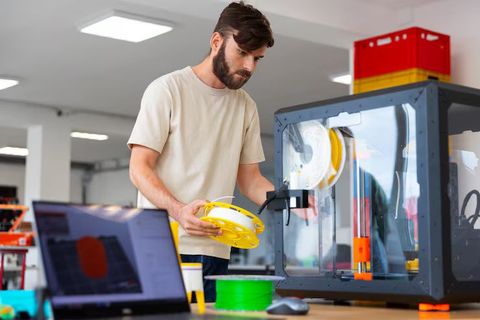
Modern industrial container production relies on advanced fabrication technologies to improve efficiency and consistency.
CNC Fabrication Systems
Computer-controlled fabrication equipment improves dimensional accuracy and reduces production waste.
Automated Welding Technologies
Automated welding systems improve consistency and production speed while maintaining structural quality.
Digital Design Platforms
Engineering software supports design optimization, structural analysis, and production planning.
Smart Inspection Systems
Advanced quality control technologies help verify manufacturing accuracy throughout the production process.
These technologies contribute to higher productivity and improved product performance.
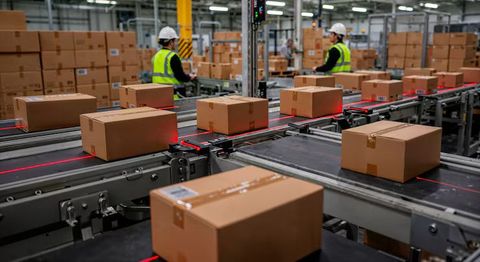
Role of Automation in Container Production
Automation has transformed modern container manufacturing by improving production efficiency and quality control.
Automated systems help monitor:
- Material processing operations
- Fabrication accuracy
- Welding consistency
- Quality inspection procedures
This reduces operational errors and supports large-scale manufacturing.
Industrial Applications of Containers
Industrial containers are used across numerous industries and infrastructure sectors.
Chemical Processing Industry
Containers are used for storing and handling chemicals safely throughout production operations.
Food and Beverage Manufacturing
Industrial containers support ingredient storage, material handling, and production logistics.
Agriculture Sector
Agricultural operations use containers for storing grains, fertilizers, and various farm materials.
Pharmaceutical Manufacturing
Specialized containers help maintain controlled environments for sensitive materials.
Logistics and Warehousing
Containers improve inventory management, storage efficiency, and material transportation.
These applications demonstrate the versatility of industrial container systems.
Advantages of Modern Industrial Containers
Modern manufacturing technologies provide several significant benefits.
Key Advantages
- Improved storage efficiency
- Enhanced durability and reliability
- Better material protection
- Efficient handling and transportation
These advantages help improve operational performance across multiple industries.
Challenges in Industrial Container Manufacturing
Despite technological advancements, manufacturers still face several production challenges.
Maintaining dimensional accuracy is important because small variations can affect storage performance and compatibility.
Material selection must also be carefully managed to ensure durability and regulatory compliance.
Additionally, manufacturers must focus on sustainability, quality control, and production efficiency to remain competitive.
Future Trends in Industrial Container Manufacturing
The industry continues evolving through innovation and advanced manufacturing technologies.
Emerging Trends
- Smart storage container systems
- Automated manufacturing facilities
- Advanced lightweight materials
- Sustainable production technologies
These developments are helping improve efficiency, safety, and long-term performance.
Practical Example of Industrial Container Usage
Consider a large manufacturing facility that stores raw materials, production ingredients, and finished products in different container systems.
Bulk containers manage incoming materials, while specialized containers handle process chemicals and finished goods.
Automated tracking systems help monitor inventory levels and improve operational efficiency.
This example illustrates how industrial containers support smooth and organized industrial operations.
Conclusion
Industrial container manufacturing is a highly specialized industry that combines advanced engineering, precision fabrication, automation technologies, and strict quality control systems to create reliable storage solutions.
From design and material selection to fabrication and testing, every stage contributes to container durability, safety, and performance.
As industries continue expanding and modernizing, advanced industrial container manufacturing solutions will remain essential for supporting storage, transportation, and material handling requirements across global industrial sectors.