Fiber laser technology was developed from the evolution of earlier laser technologies, including CO2 lasers. Conventional laser cutting machines utilized gas-based laser technology, which involved the use of complex optical systems and increased levels of maintenance. Fiber laser cutting machines, on the other hand, make use of the properties of optical fibers that have been doped with rare earth elements, including Ytterbium.
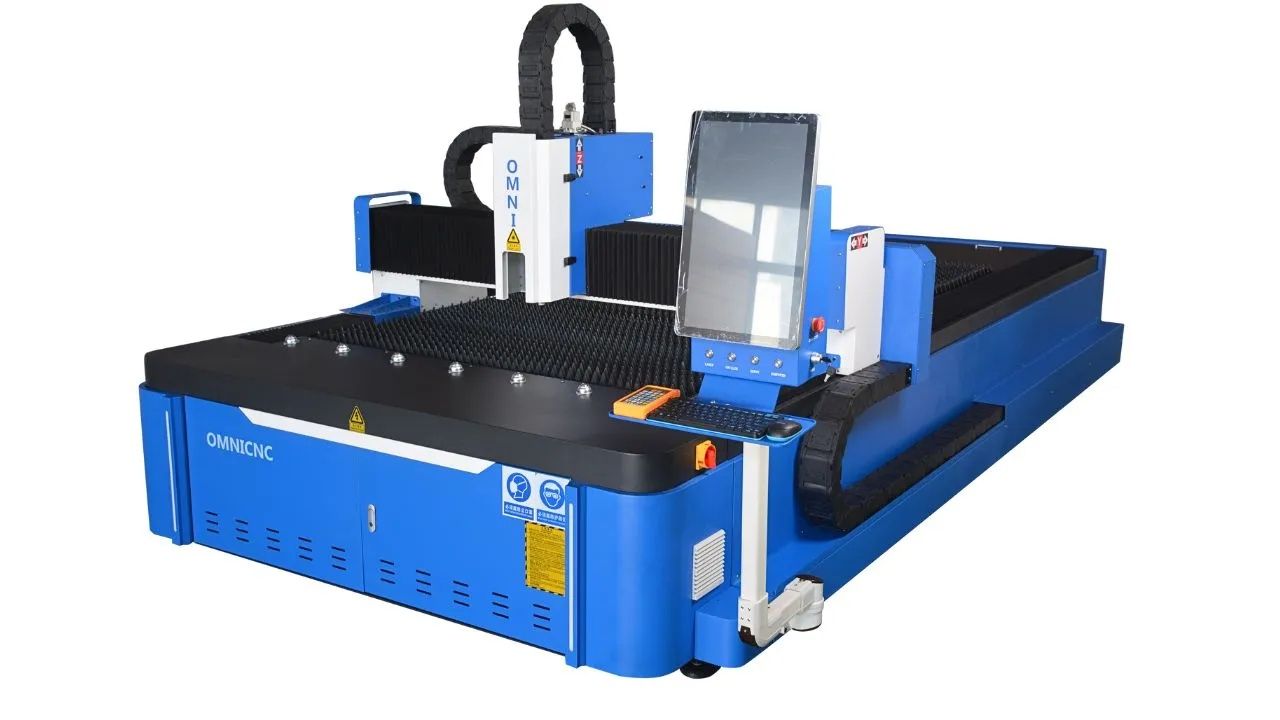
There was a need for the adoption of fiber laser cutting machines in various industries due to the requirement for faster cutting speeds and precision cutting. This was attributed to the increased levels of computerization in manufacturing processes, leading to the need for computer numerical control (CNC) technology.
Common materials processed with fiber laser systems include:
-
Stainless steel
-
Carbon steel
-
Aluminum
-
Copper and brass
-
Titanium alloys
These machines are widely used in sectors such as automotive manufacturing, aerospace engineering, industrial machinery production, electronics fabrication, and metal fabrication facilities.
The combination of optical fiber technology, high-energy lasers, and CNC automation allows manufacturers to achieve consistent cutting results while reducing material waste.
Why Fiber Laser Cutting Technology Matters Today
In the current world, different industries are relying on precision manufacturing techniques to ensure the quality of products and the overall efficiency of the manufacturing process. In this context, fiber laser cutting systems are playing a vital role.
One of the most significant advantages of using fiber laser systems is that the precision achieved is exceptionally high. In this context, the fine edge achieved with the help of the laser beam is critical, especially in the manufacturing of electronic devices, aircraft, and other precision engineering applications.
Another advantage of using fiber laser systems is the high-speed cutting capacity. In this context, it is possible to cut a large number of materials within a short period, which is critical in the manufacturing of automotive and renewable energy equipment.
Fiber laser cutting systems also address several operational challenges:
-
Reducing material waste through precise cutting paths
-
Supporting complex geometric designs
-
Improving repeatability in mass production
-
Enhancing manufacturing efficiency through automation
Because of these capabilities, fiber laser technology has become a key part of advanced manufacturing systems worldwide.
Recent Developments in Fiber Laser Cutting Technology
In the last one year, several advancements have been made in the field of technology that have impacted the fiber laser cutting systems.
One major trend that has been noticed is the introduction of high-power lasers. Manufacturers have developed fiber laser cutting systems that have the capacity to operate at power levels above 20 kilowatts. Such high-power lasers can cut metal sheets at faster rates, especially in the heavy industries sector.
Another advancement that has been noticed in the fiber laser cutting systems is the introduction of artificial intelligence. Some of the cutting systems have been developed with the integration of AI-based monitoring systems that have the capacity to monitor cutting errors.
Automation and robotics continue to evolve in laser processing facilities. For instance, in the years 2024 and 2025, there were several manufacturing plants that adopted fully automated laser cutting systems, including robotic sheet loading, sorting, and production tracking systems.
Energy efficiency is also an emerging focus area in the field of laser cutting machines. Fiber lasers tend to consume less power compared to other traditional laser cutting systems. This is mainly due to the optimized cooling systems and the development of fiber lasers.
The other significant development in the field is the emergence of digital manufacturing platforms. Currently, there is a wide range of fiber laser cutting machines that have the ability to connect to cloud-based production management systems.
The adoption of advanced sensors and monitoring technologies is expected to continue as industries pursue greater production accuracy and equipment reliability.
Regulations and Safety Policies Affecting Fiber Laser Systems
The laser technology used in industrial settings must adhere to safety regulations and standards. These regulations are designed to safeguard employees, provide safety for machine operation, and reduce hazards in the working environment.
Fiber laser cutting machines fall under class 4 laser systems, which are considered to be the strongest laser systems used in industrial settings. These laser systems have the ability to cause eye and skin damage if they are not used safely.
International organizations such as the International Electrotechnical Commission (IEC) and the International Organization for Standardization (ISO) provide safety guidelines related to laser equipment.
Some key standards include:
| Standard | Purpose |
|---|---|
| IEC 60825 | Defines safety requirements for laser equipment |
| ISO 11553 | Safety standards for laser processing machines |
| ANSI Z136 | Laser safety guidelines used in many industrial environments |
Manufacturing facilities must also implement workplace safety practices such as:
-
Protective enclosures around laser systems
-
Safety interlock mechanisms that stop the laser when doors open
-
Laser safety training for operators
-
Protective eyewear designed for specific laser wavelengths
Environmental policies may also influence the operation of laser cutting facilities. Some countries require monitoring of airborne metal particles generated during cutting processes. Filtration systems and ventilation equipment are often installed to meet occupational health regulations.
Compliance with these regulations ensures that fiber laser systems can operate safely within industrial settings while protecting workers and maintaining environmental standards.
Tools and Resources for Learning and Working with Fiber Laser Systems
Professionals working with fiber laser cutting technology often rely on specialized tools, software platforms, and digital resources to support machine operation and design processes.
Several types of software and technical tools are commonly used in laser cutting environments.
| Tool Category | Purpose |
|---|---|
| CAD Software | Used to design components and cutting patterns |
| CAM Software | Converts design files into machine instructions |
| CNC Control Systems | Directs laser movement and cutting parameters |
| Laser Simulation Tools | Helps analyze cutting paths and optimize results |
Common CAD and engineering platforms used in manufacturing environments include:
-
Computer-aided design software for metal fabrication drawings
-
CNC programming platforms used to control cutting operations
-
Material thickness and laser parameter calculators
-
Digital production monitoring systems
Online knowledge resources also help engineers and technicians understand fiber laser technology. These resources include:
-
Engineering documentation libraries
-
Manufacturing technology research reports
-
Industry association websites related to metal fabrication
-
Technical training programs on CNC machining and laser processing
Learning resources are particularly important as fiber laser technology continues evolving with new automation tools and digital manufacturing platforms.
Frequently Asked Questions About Fiber Laser Cutting Systems
What materials can fiber laser cutting systems process?
Fiber laser machines commonly cut metals such as stainless steel, carbon steel, aluminum, brass, and copper. Some specialized systems can also process thin non-metal materials depending on the machine configuration.
How does a fiber laser differ from a CO₂ laser?
Fiber lasers use solid-state optical fibers to generate and deliver laser energy, while CO₂ lasers rely on gas-based laser sources and mirrors. Fiber lasers generally provide higher energy efficiency and require less optical maintenance.
Why are fiber lasers widely used in metal fabrication?
Fiber lasers produce highly focused beams that allow accurate cuts with minimal material distortion. This precision makes them suitable for complex shapes and thin metal components used in industrial applications.
Are fiber laser cutting systems energy efficient?
Fiber lasers often consume less electrical energy than older laser technologies because their optical fiber design converts electricity into laser light more efficiently.
What role does CNC technology play in fiber laser cutting?
Computer numerical control systems guide the movement of the cutting head and regulate laser intensity. CNC programming ensures consistent cutting accuracy and enables automated production processes.
Conclusion
Fiber laser cutting systems represent an important advancement in modern manufacturing technology. By combining optical fiber laser sources with computer-controlled automation, these systems enable precise material processing across a wide range of industries.
Their ability to produce accurate cuts, operate at high speeds, and integrate with digital manufacturing platforms has made them a key component of industrial fabrication processes. Ongoing developments in artificial intelligence, automation, and energy efficiency continue to shape the evolution of fiber laser technology.
Understanding how fiber laser cutting systems function, the regulations governing their use, and the tools that support their operation helps provide a clear perspective on their role in modern engineering and manufacturing environments.