The development of food packaging expanded alongside industrial food production and urban distribution systems. Early methods focused mainly on basic wrapping and container storage, while modern packaging technologies now include vacuum sealing, modified atmosphere packaging, smart labeling systems, and automated filling equipment. Today, food packaging is closely connected to manufacturing efficiency, transportation logistics, and consumer safety standards.
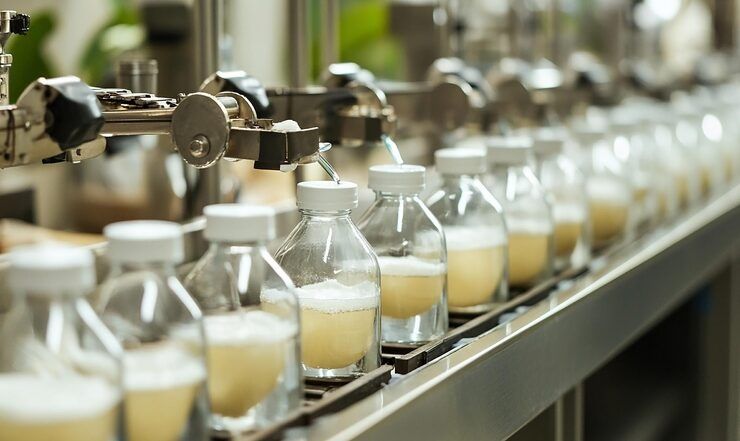
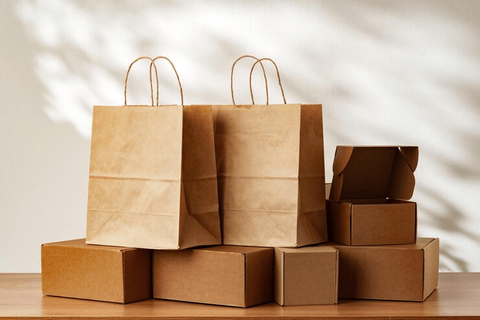
Common food packaging materials include paper, plastic, glass, aluminum, and multilayer flexible films. Different packaging systems are designed depending on the food product type, storage conditions, moisture sensitivity, and transportation requirements.
Food packaging is commonly used for:
- Processed food products
- Dairy and beverage packaging
- Frozen food storage
- Snack food packaging
- Fresh produce handling
- Bakery and confectionery products
The industry supports both large-scale food manufacturing and smaller food processing operations.
Importance
The food packaging industry plays an important role in food protection, hygiene management, and distribution efficiency. Packaging systems help reduce contamination risks while supporting organized transportation and retail operations.
Food Safety and Protection
One of the primary functions of food packaging is protecting products from moisture, air exposure, contamination, and physical damage during storage and transportation.
Packaging systems help maintain:
| Packaging Function | Purpose | Industrial Importance |
|---|---|---|
| Moisture Protection | Prevents spoilage | Product preservation |
| Sealing Systems | Reduces contamination | Food safety |
| Temperature Resistance | Supports storage stability | Cold chain management |
| Labeling Systems | Provides product information | Traceability |
| Protective Packaging | Prevents transport damage | Supply chain support |
These functions are important across food manufacturing and distribution networks.
Support for Supply Chains
Food packaging systems help manufacturers transport products through warehouses, retail stores, export channels, and delivery systems more efficiently. Packaging also assists with inventory management and product tracking.
Packaging operations commonly involve:
- Barcode labeling
- Batch coding
- Automated sorting
- Carton packaging
- Pallet preparation
These systems support organized food distribution activities.
Convenience and Product Handling
Modern packaging technologies are designed to improve product handling, portion control, and storage convenience for consumers and retailers. Different package formats are developed depending on food category and transportation needs.
Examples include:
- Resealable packaging
- Single-portion containers
- Flexible pouches
- Vacuum-sealed trays
These packaging formats support changing food consumption patterns and retail operations.
Industrial and Economic Role
The food packaging industry is closely connected to agriculture, food processing, logistics, printing, material production, and industrial manufacturing sectors. Packaging production also supports employment within industrial processing and transportation networks.
Processing Systems
Food packaging operations involve integrated processing systems designed to handle filling, sealing, labeling, and transport preparation.
Filling and Portioning Systems
Filling machines measure and place food products into containers, pouches, bottles, or cartons. These systems are designed for liquid, powder, solid, and semi-solid products.
Common applications include:
- Beverage bottling
- Dairy filling systems
- Snack food packaging
- Powdered food processing
Automated filling systems improve consistency and production speed.
Sealing and Wrapping Equipment
Sealing systems close packages using heat, pressure, adhesives, or vacuum technology depending on packaging material and product requirements.
Sealing methods may include:
- Heat sealing
- Vacuum packaging
- Shrink wrapping
- Induction sealing
These systems help maintain hygiene and storage stability.
Labeling and Coding Systems
Food packaging facilities use labeling equipment to print product information, manufacturing details, and tracking codes on packaging materials.
Labeling systems commonly display:
- Product identification
- Expiration dates
- Batch numbers
- Nutritional information
These details support traceability and inventory management.
Conveyor and Sorting Systems
Conveyor equipment transports products between packaging stages and organizes packaged goods for storage or shipment.
Modern systems may include:
- Automated sorting lines
- Robotic palletizing equipment
- Inspection conveyors
- Barcode scanning systems
These technologies support continuous industrial packaging operations.
Packaging Technologies
Food packaging technologies continue evolving to improve storage efficiency, safety, and transportation performance.
Vacuum Packaging
Vacuum packaging removes air from food containers before sealing. This process helps reduce oxidation and supports longer storage periods for certain products.
Vacuum systems are commonly used for:
- Meat products
- Cheese packaging
- Frozen foods
- Processed food storage
Modified Atmosphere Packaging
Modified atmosphere packaging replaces air inside packages with controlled gas mixtures to slow spoilage and maintain product quality.
This technology is often used for:
- Fresh produce
- Bakery products
- Ready-to-eat meals
Flexible Packaging Systems
Flexible packaging uses lightweight materials such as films and laminated pouches. These systems reduce packaging weight and support efficient transportation.
Examples include:
- Stand-up pouches
- Sachets
- Flexible wraps
- Multi-layer packaging films
Smart Packaging Technologies
Some modern food packaging systems include digital tracking and monitoring technologies.
Features may involve:
- QR codes
- Temperature indicators
- Freshness sensors
- Digital traceability systems
These technologies support supply chain monitoring and product information access.
Industrial Applications
Food packaging systems are used across multiple industrial sectors connected to food production and distribution.
Beverage Industry
Beverage manufacturers use packaging systems for bottling, canning, labeling, and transport preparation.
Applications include:
- Water bottling
- Juice packaging
- Dairy beverage containers
- Soft drink filling systems
Frozen and Processed Foods
Frozen food manufacturers use specialized packaging materials designed for cold storage environments and moisture control.
Packaging systems help support:
- Freezer storage stability
- Product separation
- Transportation protection
Bakery and Snack Food Industry
Snack food and bakery products require packaging systems that manage freshness, texture protection, and portion handling.
Common packaging formats include:
- Flexible pouches
- Plastic trays
- Sealed wrappers
- Carton packaging
Export and Retail Distribution
Food export businesses and retail suppliers use industrial packaging systems to manage shipping stability and inventory organization across long-distance supply chains.
Recent Updates
Between 2024 and 2026, the food packaging industry continued evolving through sustainability initiatives, smart technologies, and automation systems.
Sustainable Packaging Development
Manufacturers increasingly focus on recyclable materials and reduced packaging waste.
Current trends include:
- Paper-based packaging alternatives
- Biodegradable materials
- Lightweight packaging designs
- Reduced plastic usage
Automation and Robotics
Food packaging facilities continue expanding the use of automated machinery and robotic systems.
Automation technologies include:
- Robotic palletizing
- Automated inspection systems
- Smart conveyor controls
- Digital production monitoring
Smart Traceability Systems
Digital tracking systems are becoming more common in food packaging operations.
Developments include:
- QR code integration
- Digital inventory tracking
- Product origin verification
- Supply chain monitoring tools
Cold Chain Packaging Improvements
Growth in frozen and temperature-sensitive food distribution has increased focus on insulated packaging systems and cold storage transportation technologies.
Laws or Policies
The food packaging industry is regulated through food safety standards, labeling requirements, and environmental policies.
Food Safety Regulations
Packaging facilities generally follow regulations related to:
- Hygiene standards
- Packaging material safety
- Contamination prevention
- Production environment control
Food safety agencies commonly monitor compliance procedures.
Labeling Requirements
Governments may require food packaging labels to include:
- Ingredient information
- Nutritional details
- Manufacturing identification
- Expiration dates
These regulations support consumer information and product traceability.
Environmental Policies
Environmental regulations increasingly influence packaging material selection and waste management practices.
Policies may involve:
- Recycling requirements
- Plastic reduction programs
- Waste disposal management
- Sustainable packaging targets
Tools and Resources
Several technical tools and industrial systems support food packaging operations and quality management.
Packaging Design Software
Manufacturers use design software to develop packaging layouts, labeling formats, and material specifications.
Quality Inspection Systems
Inspection equipment helps verify packaging seal quality, label accuracy, and product integrity.
Testing systems may include:
- Leak detection equipment
- Barcode verification systems
- Weight inspection tools
- Vision inspection cameras
Production Monitoring Platforms
Food packaging facilities often use digital systems to track production speed, machine status, and packaging efficiency.
FAQs
What is the food packaging industry?
The food packaging industry involves systems and materials used to protect, store, label, and transport food products during manufacturing and distribution.
Which packaging technologies are commonly used in food processing?
Common food packaging technologies include vacuum packaging, modified atmosphere packaging, flexible packaging, and automated sealing systems.
Why are processing systems important in food packaging?
Processing systems help manage filling, sealing, labeling, sorting, and transportation preparation within food manufacturing facilities.
What materials are used in food packaging?
Food packaging commonly uses paper, plastic, glass, aluminum, and flexible laminated materials depending on the product type and storage requirements.
How does smart packaging technology work?
Smart packaging technology may include QR codes, sensors, and digital tracking systems that help monitor product information and supply chain conditions.
Conclusion
The food packaging industry is an important part of modern food production, storage, and distribution systems. Packaging technologies and processing systems help maintain product protection, hygiene standards, and organized transportation across industrial supply chains. Modern food packaging combines automated machinery, material engineering, digital tracking systems, and quality inspection technologies for different industrial applications. Recent developments in sustainability, smart packaging, and automation continue shaping the industry. Regulations related to food safety, labeling, and environmental management also influence how food packaging systems operate worldwide.