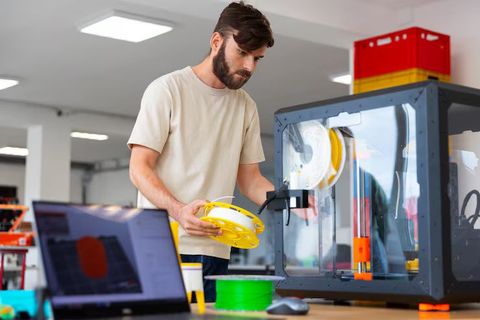
As global packaging demand continues to grow, the label manufacturing industry has evolved into a highly specialized sector that combines advanced printing technologies, automated production systems, and precision finishing processes. Modern label manufacturers focus on producing high-quality, durable, and visually appealing labels that meet the needs of multiple industries.
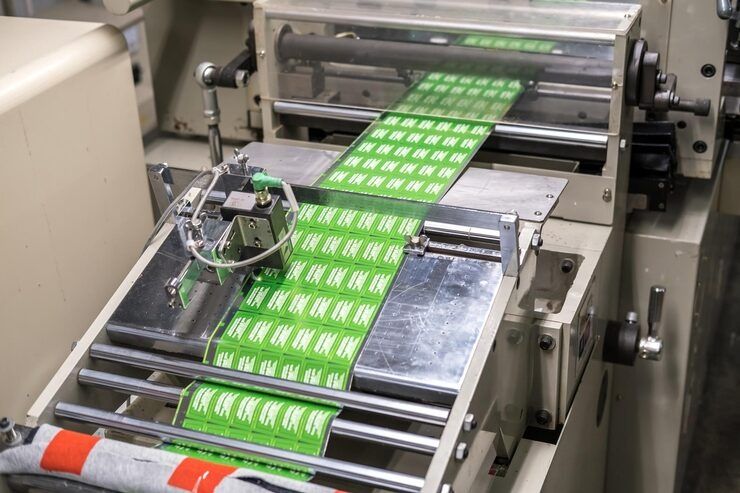
In this guide, we'll explore how label manufacturing works, the printing technologies involved, production systems used in the industry, and the packaging applications that drive demand for labels worldwide.
What Is Label Manufacturing?
Label manufacturing is the industrial process of designing, printing, converting, and finishing labels used for product packaging, branding, identification, and information display.
The process involves multiple stages, including material preparation, printing, coating, die-cutting, inspection, and packaging.
Modern manufacturing facilities focus on:
- High print quality and accuracy
- Consistent production efficiency
- Durable and reliable label performance
- Precision finishing and customization
These factors help ensure labels perform effectively across different packaging environments.
Importance of Labels in Modern Packaging
Labels do much more than display product names. They play a critical role in communication, branding, inventory management, and regulatory compliance.
A well-designed label helps consumers quickly identify important product information while improving brand visibility.
Labels commonly provide:
- Product details and specifications
- Branding and marketing information
- Usage instructions and warnings
- Batch and tracking information
- Packaging identification codes
Because of these functions, labels have become an essential component of modern packaging systems.
Types of Labels Manufactured
Different industries require different label formats depending on packaging requirements and environmental conditions.
Product Labels
These labels are commonly used on food products, beverages, cosmetics, and household goods.
They combine branding elements with product information.
Barcode and Tracking Labels
These labels support inventory management, logistics operations, and supply chain tracking systems.
Industrial Labels
Industrial labels are designed for demanding environments where durability and resistance are important.
Security Labels
Security labels help verify product authenticity and support tamper-evident packaging applications.
Promotional Labels
Promotional labels are often used for marketing campaigns, special editions, and seasonal packaging.
Raw Materials Used in Label Manufacturing
Material selection is one of the most important aspects of label production.
The right material helps ensure durability, print quality, and application performance.
Common Label Materials
- Paper-based label stock
- Film and polymer materials
- Adhesive coatings
- Protective laminates
- Specialty printing substrates
Material choice depends on the intended packaging application and environmental conditions.
For example, labels used in refrigerated environments may require moisture-resistant materials.
Label Manufacturing Process
The production process consists of several carefully controlled stages designed to ensure high-quality output.
1. Design and Artwork Preparation
The process begins with creating label designs and preparing print-ready artwork.
This stage includes layout development, color selection, branding elements, and technical specifications.
Digital design software helps improve accuracy and consistency.
2. Material Selection
Suitable label materials are selected based on durability requirements, packaging type, and printing methods.
Manufacturers evaluate factors such as:
- Surface finish
- Adhesion requirements
- Environmental exposure
- Print compatibility
3. Printing Process
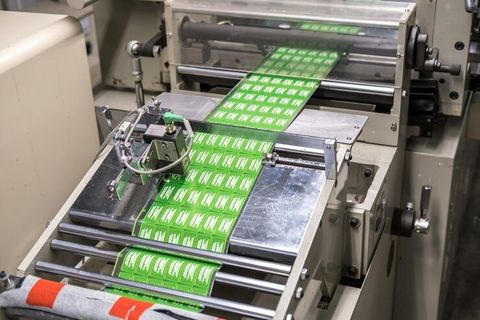
The selected material passes through printing equipment where graphics, text, and branding elements are applied.
This stage is critical because print quality directly affects the final appearance of the label.
4. Coating and Protection
Protective coatings or laminates may be added to improve durability and appearance.
These coatings help protect labels from:
- Moisture exposure
- Scratches and abrasion
- Environmental wear
- Handling during transportation
5. Die-Cutting and Conversion
Printed material is converted into individual label shapes using precision cutting systems.
This stage ensures accurate dimensions and clean edges.
6. Inspection and Quality Control
Finished labels undergo inspection to verify print quality, color consistency, and dimensional accuracy.
Quality checks may include:
- Print clarity inspection
- Adhesion testing
- Color consistency evaluation
- Surface finish verification
7. Packaging and Distribution
After approval, labels are packaged and prepared for delivery to packaging facilities and industrial users.
Printing Technologies Used in Label Manufacturing
Modern label production uses several advanced printing technologies.
Flexographic Printing
Flexographic printing is widely used for high-volume label production.
It provides efficient printing with consistent quality across large production runs.
Digital Printing
Digital printing is ideal for shorter production runs and customized label applications.
It allows rapid design changes and variable data printing.
Offset Printing
Offset printing is commonly used when high-resolution graphics and detailed designs are required.
Screen Printing
Screen printing is often used for specialty labels that require unique textures or enhanced durability.
Each printing technology offers advantages depending on production requirements.
Machinery Used in Label Manufacturing
Modern label production facilities rely on advanced equipment for printing and finishing operations.
Common Machinery
- Digital printing systems
- Flexographic printing presses
- Die-cutting machines
- Laminating equipment
- Inspection systems
- Rewinding and finishing machines
These machines help improve efficiency, accuracy, and production consistency.
Automation also reduces waste and improves productivity.
Role of Automation in Label Production
Automation has significantly improved modern label manufacturing operations.
Automated systems help monitor:
- Print registration accuracy
- Color consistency
- Material movement and handling
- Quality inspection processes
This improves operational efficiency while maintaining high production standards.
Packaging Applications of Labels
Labels are used across numerous industries and packaging sectors.
Food and Beverage Packaging
Labels provide branding, nutritional information, and product identification.
Pharmaceutical Packaging
Pharmaceutical labels support product information, compliance requirements, and traceability.
Cosmetics and Personal Care Products
Labels help communicate product details while enhancing visual appeal.
Logistics and Warehousing
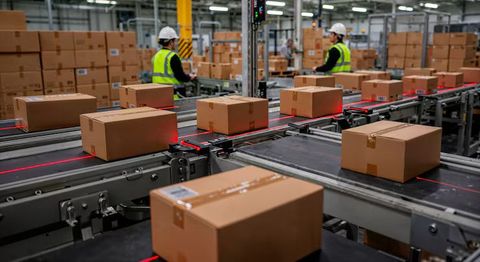
Tracking labels assist with inventory control and shipment management.
Industrial Packaging
Industrial labels support product identification, safety information, and operational tracking.
These applications demonstrate the widespread importance of labels in modern packaging systems.
Advantages of Modern Label Manufacturing
Modern production technologies provide several important benefits.
Key Advantages
- High-speed production capabilities
- Excellent print quality and consistency
- Flexible customization options
- Improved durability and performance
These advantages help manufacturers meet growing packaging industry demands efficiently.
Challenges in Label Manufacturing
Despite technological advancements, manufacturers continue to face several challenges.
Maintaining color consistency across large production runs remains important because even small variations can affect brand appearance.
Material compatibility and adhesive performance must also be carefully managed to ensure reliable application.
Manufacturers must additionally keep pace with changing packaging requirements and sustainability expectations.
Future Trends in Label Manufacturing
The label industry continues evolving through innovation and advanced production technologies.
Emerging Trends
- Smart labels with digital functionality
- Sustainable and recyclable label materials
- Advanced digital printing technologies
- Automated inspection and quality systems
These developments are helping improve efficiency, sustainability, and packaging performance.
Practical Example of Label Applications
Consider a beverage manufacturing facility where labels are used to display branding, nutritional details, batch information, and tracking codes.
The labels must maintain print quality throughout production, transportation, storage, and retail display.
Advanced manufacturing processes help ensure consistency and durability throughout the product lifecycle.
This example highlights the important role labels play in modern packaging operations.
Conclusion
Label manufacturing is a highly specialized industry that combines printing technologies, precision production systems, and advanced finishing processes to create essential packaging components.
From design preparation and printing to inspection and packaging, every production stage contributes to label quality, performance, and visual appeal.
As packaging industries continue evolving, modern label manufacturing technologies will remain critical for supporting branding, product identification, regulatory compliance, and efficient supply chain operations worldwide.