People searching for liposuction are usually looking for clear, honest answers—how it works, what results to expect, and whether it’s the right choice for their body goals. This guide provides a complete, reader-focused overview of liposuction, helping you understand every important aspect before making an informed decision.
What Is Liposuction and How Does It Work?
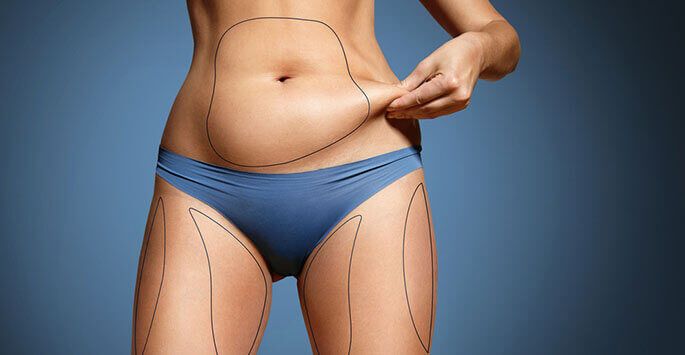
Liposuction is a surgical procedure designed to remove stubborn fat deposits from specific areas of the body. It targets fat that doesn’t respond to diet and exercise, helping reshape and refine body contours rather than serving as a weight-loss method.
The process involves inserting a thin tube called a cannula beneath the skin. This tube is used to break up and remove fat cells from targeted areas such as the abdomen, thighs, arms, back, or chin.
Common Areas Treated with Liposuction
Liposuction is often used to enhance body proportions by focusing on areas where fat tends to accumulate:
- Abdomen and waist
- Thighs and hips
- Upper arms
- Back and flanks
- Chin and neck
Each treatment is customized, depending on the individual’s body structure and desired outcome.
Types of Liposuction Techniques
Modern liposuction has evolved with advanced techniques that improve precision, comfort, and recovery.
Tumescent Liposuction
This is the most commonly used method. A solution containing saline, anesthetic, and medication is injected into the treatment area to reduce bleeding and make fat removal smoother.
Ultrasound-Assisted Liposuction (UAL)
UAL uses ultrasonic energy to liquefy fat before removal. This technique is often helpful for fibrous areas like the back or male chest.
Laser-Assisted Liposuction (LAL)
Laser energy is used to break down fat cells and may also promote mild skin tightening, making it a preferred option for smaller areas.
Power-Assisted Liposuction (PAL)
This technique uses a vibrating cannula that allows more efficient fat removal, especially in larger treatment areas.
Each method has its own advantages, and the choice depends on the treatment area, skin elasticity, and overall goals.
Who Is an Ideal Candidate for Liposuction?
Liposuction is not designed for significant weight reduction. Instead, it is best suited for individuals who are close to their ideal weight but struggle with localized fat deposits.
Key Characteristics of Suitable Candidates
- Good overall physical health
- Stable body weight
- Firm, elastic skin
- Realistic expectations about results
For example, someone who exercises regularly but still has stubborn fat around the waist or thighs may benefit from liposuction.
Benefits of Liposuction
Understanding the benefits helps align expectations with what liposuction can realistically achieve.
Improved Body Contours
Liposuction can create a more proportionate and balanced appearance by removing fat from specific areas.
Targeted Fat Reduction
Unlike general weight loss, liposuction focuses on problem areas that don’t respond to lifestyle changes.
Long-Lasting Results
Once fat cells are removed, they do not regenerate. However, maintaining results requires a consistent lifestyle.
Boost in Confidence
Many individuals report improved self-image after achieving their desired body shape.
Risks and Considerations of Liposuction
Like any surgical procedure, liposuction comes with potential risks. Understanding these ensures informed decision-making.
Common Side Effects
- Swelling and bruising
- Temporary numbness
- Mild discomfort during recovery
Potential Complications
Though rare, complications can include infection, fluid accumulation, or uneven contours. Choosing a qualified professional and following aftercare instructions significantly reduces these risks.
Realistic Expectations Matter
Liposuction enhances body shape but does not eliminate cellulite or significantly tighten loose skin. Being clear about expected outcomes is essential.
What Happens Before a Liposuction Procedure?
Preparation plays a crucial role in achieving optimal results.
Initial Consultation
During the consultation, the practitioner evaluates your medical history, examines target areas, and discusses your goals.
Pre-Procedure Guidelines
You may be advised to:
- Avoid certain medications
- Maintain stable weight
- Follow specific dietary instructions
This stage ensures safety and prepares your body for the procedure.
The Liposuction Procedure Step by Step
Understanding the process helps reduce uncertainty and builds confidence.
Step 1: Anesthesia
Depending on the area and extent of the procedure, local or general anesthesia is used.
Step 2: Incision
Small incisions are made near the treatment area to insert the cannula.
Step 3: Fat Removal
Fat is loosened and removed using the selected technique.
Step 4: Closure and Recovery
Incisions are closed, and the treated area is bandaged to support healing.
The duration of the procedure varies depending on the number of areas being treated.
Recovery After Liposuction
Recovery is a gradual process, and knowing what to expect helps you prepare effectively.
Immediate Recovery Phase
Swelling, bruising, and mild discomfort are common during the first few days. Compression garments are usually recommended to reduce swelling and support the new contours.
Returning to Daily Activities
Most individuals can resume light activities within a few days, while more strenuous activities may require a few weeks.
Long-Term Healing
Final results become more visible as swelling subsides, typically over several weeks to a few months.
Results: What Can You Expect?
Liposuction delivers noticeable improvements in body contour, but results vary based on individual factors.
When Results Become Visible
Initial changes can be seen within a few weeks, but full results develop gradually as the body heals.
Maintaining Results
To preserve the outcome:
- Follow a balanced diet
- Stay physically active
- Maintain a stable weight
Without these habits, remaining fat cells can expand, affecting overall appearance.
Liposuction vs. Other Fat Reduction Methods
Understanding alternatives helps you choose the most suitable approach.
Non-Surgical Fat Reduction
Techniques like cryolipolysis or radiofrequency treatments reduce fat without surgery. However, they may require multiple sessions and offer more subtle results.
Liposuction Advantage
Liposuction provides more immediate and precise contouring, making it ideal for individuals seeking noticeable changes in specific areas.
Common Myths About Liposuction
There are several misconceptions that can lead to unrealistic expectations.
Myth: Liposuction Is a Weight Loss Solution
Liposuction is designed for contouring, not for significant weight reduction.
Myth: Results Are Instant
While changes are noticeable early, final results take time as swelling decreases.
Myth: Fat Will Not Return
Although removed fat cells do not regenerate, remaining cells can expand if lifestyle habits change.
Practical Tips Before Considering Liposuction
Making an informed decision involves careful planning and realistic expectations.
Set Clear Goals
Understand what you want to achieve and ensure those goals align with what liposuction can deliver.
Focus on Health First
Being in good physical condition improves both safety and outcomes.
Follow Professional Guidance
Carefully follow all pre- and post-procedure instructions for optimal results.
Final Thoughts on Liposuction
Liposuction remains a highly effective option for individuals looking to refine their body contours and address stubborn fat areas. It is not a shortcut to weight loss but a targeted approach to shaping specific parts of the body.
By understanding how liposuction works, who it’s suitable for, and what results to expect, you can approach the decision with clarity and confidence. The key lies in aligning expectations with reality and maintaining a healthy lifestyle to support long-term results.
When approached thoughtfully, liposuction can be a transformative step toward achieving a more balanced and proportionate appearance.