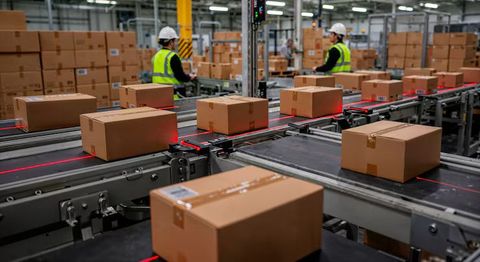
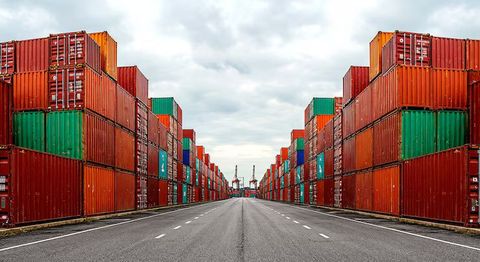
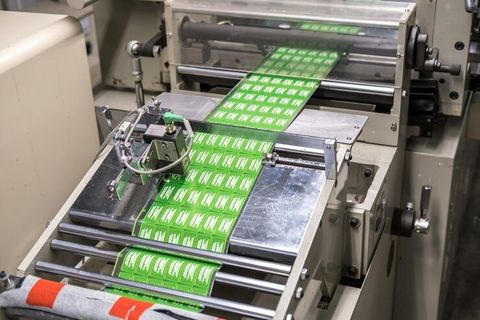
As industries continue expanding, the demand for advanced packaging machinery has increased rapidly. Modern manufacturing plants now focus on automation, precision engineering, and high-speed production systems to meet growing industrial requirements.
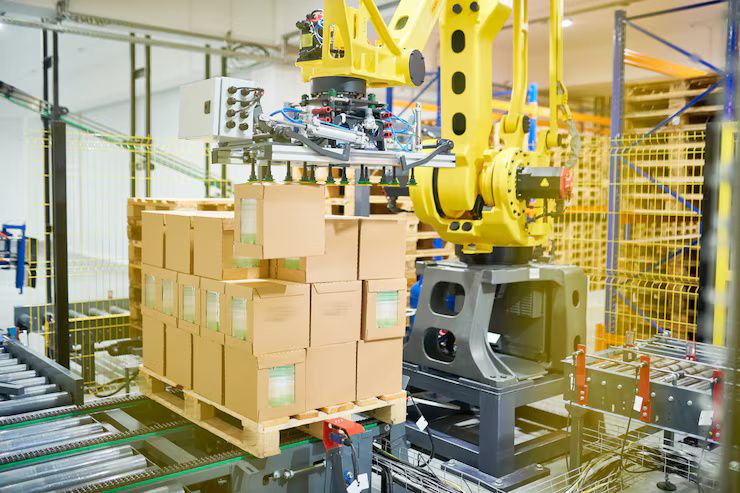
In this guide, we’ll explore how packaging machines are manufactured, the machinery involved in production, and the industrial applications that make packaging systems essential across multiple sectors.
What Is Packaging Machine Manufacturing?
Packaging machine manufacturing is the industrial process of designing and producing automated or semi-automated systems used for packing, sealing, filling, labeling, and handling products.
These machines are built to improve production efficiency, maintain packaging consistency, and support large-scale industrial operations.
Manufacturers focus on:
- High operational efficiency
- Reliable machine performance
- Precision packaging accuracy
- Long-term industrial durability
These factors help ensure smooth production workflows across different industries.
Importance of Packaging Machines in Modern Industry
Packaging systems are essential for maintaining product quality, handling efficiency, and organized distribution.
Without advanced packaging machinery, industries would face slower production processes and inconsistent packaging quality.
Modern packaging machines help improve:
- Production speed and efficiency
- Product safety and handling
- Packaging consistency
- Industrial automation workflows
These advantages make packaging systems critical in modern manufacturing environments.
Types of Packaging Machines
Different packaging machines are manufactured depending on industrial applications and production requirements.
Filling Machines
Filling machines are used for liquids, powders, granules, and semi-solid materials.
They are widely used in food processing, pharmaceutical production, and chemical industries.
Sealing Machines
These machines help seal packages securely to maintain product protection and storage stability.
Labeling Machines
Labeling systems apply product information and branding labels automatically during production.
Wrapping and Shrink Packaging Machines
These systems wrap products using films or protective materials for transportation and storage.
Cartoning and Packaging Line Systems
Cartoning systems organize products into boxes or grouped packaging structures.
Large industrial plants often use complete automated packaging lines.
Raw Materials Used in Packaging Machine Manufacturing
Packaging machines are built using strong and durable industrial materials designed for continuous operation.
Common Materials
- Stainless steel for corrosion resistance
- Carbon steel for structural strength
- Aluminum components for lightweight systems
- Electronic control systems and sensors
- Industrial-grade motors and automation components
Material selection depends on machine type, production environment, and operational requirements.
For example, food and pharmaceutical packaging systems commonly use stainless steel because of hygiene and corrosion resistance requirements.
Packaging Machine Manufacturing Process
The manufacturing process involves several organized production stages designed to ensure machine reliability and precision.
1. Design and Engineering
The process begins with technical design and system planning.
Engineers create machine layouts and operational systems based on industrial production requirements.
Modern manufacturers use computer-aided engineering tools to improve accuracy and machine performance.
2. Material Preparation and Fabrication
Raw metal materials are cut, shaped, and prepared for machine structure fabrication.
Industrial fabrication systems ensure dimensional accuracy and structural durability.
3. Machining and Component Production
Precision machining equipment produces important machine components such as shafts, rollers, brackets, and mechanical assemblies.
This stage is critical for smooth machine operation.
4. Assembly Process
Mechanical, electrical, pneumatic, and automation components are assembled into complete machine systems.
Manufacturers carefully integrate:
- Conveyor systems
- Filling and sealing units
- Sensors and automation controls
- Motors and drive systems
5. Electrical and Automation Integration
Modern packaging systems include programmable control systems and automated operating technologies.
This stage integrates electronic panels, control systems, and digital monitoring features.
6. Testing and Quality Inspection
Before delivery, packaging machines undergo strict testing procedures.
Testing may include:
- Operational speed testing
- Packaging accuracy checks
- Automation performance evaluation
- Safety and durability inspection
This ensures reliable machine performance under industrial conditions.
7. Finishing and Surface Treatment
Machines may receive protective coatings, polishing, or corrosion-resistant finishing depending on industrial usage requirements.
8. Packaging and Industrial Delivery
Finished machines are prepared for industrial transportation and installation at manufacturing facilities.
Machinery Used in Packaging Machine Manufacturing
Modern production plants use advanced industrial machinery to manufacture packaging systems efficiently.
Common Manufacturing Machinery
- CNC machining centers
- Laser cutting systems
- Welding and fabrication equipment
- Assembly line systems
- Automation testing equipment
- Surface finishing and polishing machines
These machines help improve production precision and operational efficiency.
Automation also reduces manufacturing errors and improves consistency.
Importance of Automation in Packaging Systems
Automation has transformed packaging machine manufacturing and industrial packaging operations.
Modern automated systems help manufacturers monitor:
- Production speed and accuracy
- Product positioning and handling
- Sealing and filling consistency
- Real-time machine performance
This improves efficiency and reduces manual production effort.
Industrial Applications of Packaging Machines
Packaging systems are used across multiple industries and manufacturing sectors.
Food and Beverage Industry
Packaging machines help handle filling, sealing, labeling, and wrapping for packaged food and beverage products.
Pharmaceutical Industry
Pharmaceutical manufacturers use packaging systems for precise and hygienic product handling.
FMCG Manufacturing
Consumer goods industries depend on packaging systems for organized high-volume production.
Chemical and Industrial Products
Industrial packaging systems handle chemicals, powders, lubricants, and heavy-duty materials safely.
E-Commerce and Logistics
Automated packaging systems support large-scale product handling and shipping operations.
These applications demonstrate the importance of packaging technology in modern industrial infrastructure.
Advantages of Modern Packaging Machine Manufacturing
Modern manufacturing systems provide several important benefits.
Key Advantages
- High-speed industrial production
- Improved packaging consistency
- Better automation and efficiency
- Reduced manual handling requirements
These improvements help industries maintain organized and scalable production systems.
Challenges in Packaging Machine Manufacturing
Despite advanced technologies, packaging machine manufacturing still involves several challenges.
Maintaining precision during high-speed operations is extremely important for reliable performance.
Manufacturers must also carefully manage automation integration, machine durability, and energy efficiency.
Rapidly changing industrial packaging requirements additionally create pressure for continuous innovation.
Future Trends in Packaging Machine Manufacturing
The industry continues evolving with advanced technologies and smart manufacturing systems.
Emerging Trends
- Smart automated packaging lines
- AI-based production monitoring
- Sustainable and energy-efficient machinery
- Robotics and advanced industrial automation
These innovations are helping manufacturers improve productivity and industrial flexibility.
Practical Example of Packaging Machine Applications
Consider a modern food processing facility where automated packaging systems handle filling, sealing, labeling, and carton packaging continuously throughout production.
Sensors and digital monitoring systems help maintain packaging accuracy while reducing manual intervention.
This demonstrates how packaging machines improve efficiency and large-scale manufacturing operations.
Conclusion
Packaging machine manufacturing is a highly specialized industrial process that combines precision engineering, automation technology, advanced machinery, and quality control systems.
From design and fabrication to assembly and testing, every production stage contributes to machine reliability and industrial efficiency.
As industries continue moving toward automation and smart manufacturing, packaging machine technologies will remain essential for supporting efficient, scalable, and modern production systems worldwide.