This resource will inform you about smart home appliances, their importance in today’s world, what is happening in 2025, the implications of Indian regulations, and what you can use to plan a smarter home.
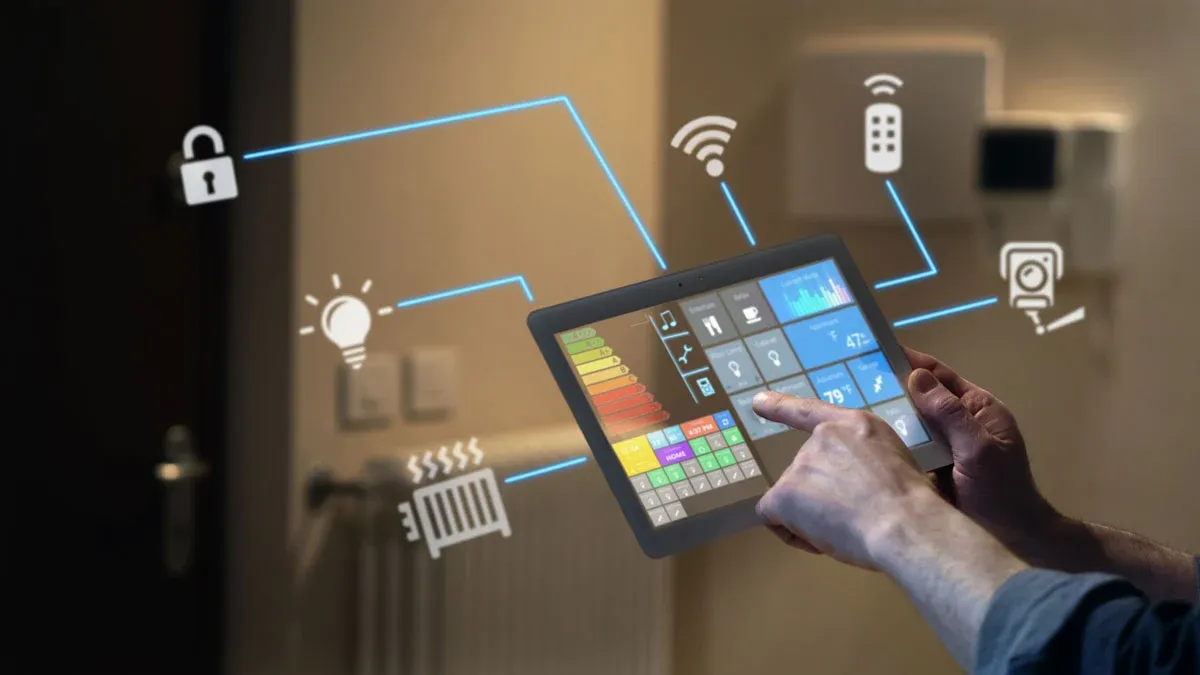
Smart home appliances are electronic devices that can be connected to the internet or a local network, enabling users to control and monitor them from anywhere. Most smart devices are controlled using mobile apps or voice assistants like:
Google Assistant
Amazon Alexa
Apple HomeKit
Smart devices are different from traditional appliances, which only have one function. Smart devices collect data, analyze it, and make changes automatically.
Examples of smart devices include:
A smart thermostat changes temperature according to the time people are in the house.
A smart refrigerator tracks the temperature inside and usage.
A smart washing machine detects the size of the load and adjusts water accordingly.
Smart lighting changes brightness according to the time of day.
These devices are a result of the need for improved energy efficiency, convenience, and remote control in modern homes. The advent of smartphones and high-speed internet made it possible to integrate devices into a single system.
Smart homes are based on technologies such as:
Internet connectivity using Wi-Fi, Zigbee, and Z-Wave
Cloud computing
Artificial intelligence and machine learning
Automation software and data analytics
The Practical Stuff: Why People Are Switching
Saving on electricity is probably the biggest draw. Instead of blasting the AC all day, a smart system figures out when you're actually home and adjusts accordingly. Your water heater heats up when you need it. Your washing machine uses just enough water for the load you've thrown in. Small changes, but they add up on your bill.
Security is another big one. Imagine getting a notification on your phone the moment someone rings your doorbell — whether you're at work, traveling, or just in another room. Smart cameras, motion sensors, and locks give you that visibility without being physically present.
Convenience is the cherry on top. Lights that turn off when everyone's gone to bed. The house warming up just before you get home from work. Your washing machine pinging you when it's done. It sounds small, but removing these little mental reminders from your daily to-do list genuinely frees up mental energy.
And unlike before, when you were just guessing how much electricity you were using, smart dashboards actually show you the data — so you can make smarter decisions rather than just hoping for a lower bill.
What's Changed in 2026
The smart home world has grown up quite a bit recently.
Appliances are getting smarter about failure. Your fridge can now notice something's off with its cooling before your groceries go bad. That kind of early warning can save you a costly repair — or at least an expensive grocery run.
Different brands are finally talking to each other. For years, buying smart home devices felt like picking a team — Google, Apple, or Amazon — and being stuck with it. The Matter protocol is changing that. More devices now work across ecosystems, so you're not locked in as tightly as before.
Less dependence on the cloud. Newer devices process more data right on the device itself, which means faster responses, better privacy, and your automation still working even if your internet hiccups.
The electricity grid is getting involved. Some utility companies are running programs where your appliances can ease off during peak demand hours — helping stabilize the grid and potentially saving you money in return.
Security is taken more seriously. Better encryption, stronger login requirements, and regular software updates are becoming the norm rather than the exception.
If You're in India, Here's What Applies to You
A few regulations shape how smart appliances work in the Indian market:
The Digital Personal Data Protection Act (2023) means companies can't just do whatever they want with the data your devices collect. They have to be transparent and handle it responsibly.
The Bureau of Energy Efficiency is the body behind those star ratings on appliances — higher stars mean better efficiency, which matters both for your wallet and for the environment.
Devices also need to meet standards set by the Telecommunication Engineering Centre and the Central Electricity Authority, especially as more appliances connect to smart meters.
Thinking About Going Smart? Start Simple.
You don't have to overhaul your entire home at once. A good starting point:
- Figure out which devices you actually want to automate
- Check that your Wi-Fi reaches everywhere you need it to
- Pick a central platform (Google Home, Amazon Alexa, or Apple HomeKit) based on what devices you already own
- Keep everything updated — firmware updates aren't exciting, but they patch security holes
Strong passwords and a secure Wi-Fi setup aren't optional. They're the foundation everything else sits on.
The Bottom Line
Smart home tech has moved well past the "gimmick" phase. In 2025, it's genuinely useful — saving energy, improving security, and reducing the small frictions of daily life. The ecosystem is more open than it's ever been, the security is improving, and in India, there's a real regulatory framework ensuring it develops responsibly.
Whether you're starting with a single smart bulb or planning a full setup, the technology is mature enough now that it's worth taking seriously.