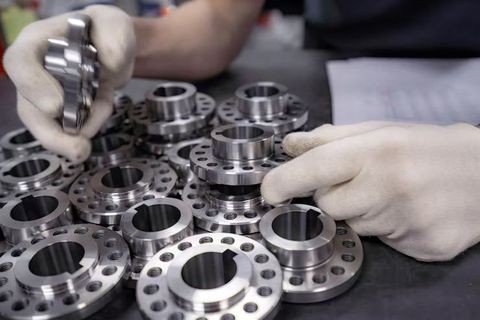
There are several aspects of interest concerning bearings and bearing manufacturing. Some of the major aspects of bearing manufacturing production process include the technologies involved in the production process and the industries in which they are applied.
What Is the Bearing Manufacturing Industry?
The bearing manufacturing industry deals with the production of bearings, which are the components used in mechanical devices and machines to ensure the free movement of their parts. These bearings play a pivotal role in modern technology and machinery because they facilitate motion between two surfaces.
Since bearings are used in the production of most machines, great efforts are made in manufacturing industries to ensure that they fit with the equipment in question. In addition, great efforts are made to ensure that their surface quality and tolerance match the intended purpose of the bearing.
Bearing Components
Just like every other mechanical component in the world, bearings also consist of several parts, with the most common being:
- Inner ring
- Outer ring
- Rolling elements
- Cage or retainer
Importance of Bearings in Modern Industries
Most of the mechanical devices and machines in the world has moving parts that usually result in the production of a significant amount of friction. The main purpose of bearings in relation to their use in the machines is eliminating or reducing the amount of friction produced by the machines.
In addition to reducing friction, industrial bearings have several other functionalities, which include:
- Minimizing the amount of energy wastage
- Assisting in the smooth running of machines
- Facilitating the transportation of loads between two moving points
- Increasing equipment life.
For instance, electric motors require bearings so that the rotor can be free to rotate, and it is able to withstand the force exerted onto it.
Failure of the bearings that support the rotors may lead to malfunctioning of the electric motor due to an increase in vibration levels.
Types of Bearings
There are several types of bearings, and each type is suitable for a specific application. The type of bearings to be selected for a particular application mainly depends on the nature of the loads they will be subjected to, as well as their speeds.
There are four main types of bearings, which are:
- Ball bearings
- Roller bearings
- Thrust bearings
- Needle bearings
Ball Bearings
Ball bearings are one of the most common types of bearings that are usually applied in a wide range of applications. These bearings employ spherical rollers to ensure that there is reduced friction while withstanding loads. They are widely applied in electric motors, household appliances, and automobiles.
Roller Bearings
Roller bearings differ from other types of bearings because they utilize rollers instead of balls. Due to the cylindrical shape of the rollers, these bearings usually have a greater ability to withstand heavy weights than other types of bearings.
Roller bearings are widely utilized in a wide range of industrial applications, including machinery, construction equipment, and heavy-duty vehicles.
Thrust Bearings
Thrust bearings usually withstand axial thrusts, making them suitable for use in a wide range of applications, including automobile, rotating machinery, and marine equipment.
Needle Bearings
Needle bearings are one type of bearings whose length is more profound than their diameter; the rollers employed are also slender. These bearings provide excellent power to the load ratio and are usually applied in machines that have limited space.
Materials Used in Bearing Manufacturing
Material selection is a critical element in the manufacturing process of bearings. It is so essential because the material determines the performance and functionality of the bearings.
Below are some of the bearing manufacturing materials that are commonly utilized:
Bearing Steel
High-chromium bearing and alloy steels are the most commonly utilized bearing steels. High carbon bearing steels, on the other hand, are widely applied in most heavy-duty industrial bearings.
Stainless Steel
Bearing manufacturers usually utilize stainless steel in the production of bearings when there is a need for corrosion resistance.
Ceramic Bearing Manufacturing
Ceramic material bearings have several advantages over their counterparts in the market. Bearings made of ceramic materials are usually lighter, stronger, and possess less friction characteristics.
Specialty Alloys
Some bearings require the application of specialty alloys when extremely high-performance bearings are needed, for instance, in the aerospace industry.
Bearing Manufacturing Process
Bearing production entails several critical steps, starting from material preparation to final quality checks.
Below are some of the steps involved in the process:
Raw Material Preparation
The raw materials used in the production process should be of the highest quality if the manufacturer intends to produce premium-grade bearings. Therefore, before any material is utilized in the production process, it must be assessed to ensure that it meets the quality standards set by the manufacturer. This step of material preparation is of paramount essence in the manufacturing process because it lays the foundation for the entire production process.
Forging and Shaping
The next step after material preparation is forging and shaping. It is a process of shaping the metal into the form of bearing rings. This process is critical because it produces bearing rings with high-quality material that has undergone extensive forging and shaping.
Precision Machining
After forging and shaping, the next step involves utilizing advanced machinery to produce the required shape of the bearing. This is a very crucial step in the bearing manufacturing process since it ensures that there are no defects, and all the dimensions are according to the design specifications.
Computerized machinery is usually utilized to achieve perfect geometries and tolerances during this stage of production. The other essential processes that are carried out during this stage include turning, grinding, and raceway machining.
At this point, it is essential to note that all bearings must undergo extensive finishing to ensure there are no defects that could affect their performance after installation. It is also at this stage that the raceways are machined to ensure there are accurate tolerances and perfect geometries.
Heat Treatment
The heat treatment process entails subjecting the bearings to controlled heating and cooling to ensure that there is increased hardness of the material. The process enhances the ability of the bearings to withstand wear and tear.
Once the heat treatment process has been completed, the next step is to assemble the bearings. This step entails assembling the bearings with rolling elements and cages. After that, the assembled bearings are subjected to additional finishing processes.
Precision Engineering in Bearing Production
Precision engineering is one of the critical aspects that have been considered in the production of bearings. This is because precision engineering has been essential in minimizing the noise and vibration of bearings as well as increasing their service life.
In addition, it is essential to note that most bearing manufacturers utilize advanced measuring instruments to ensure that they are able to achieve precision engineering in bearing production. This ensures that all the geometries of the manufactured bearings fit perfectly and that the bearings run smoothly.
This is also a pivotal aspect of bearing production that determines the smooth running of the bearings after they have been installed.
In other words, precision engineering ensures that the manufactured bearings have the following qualities:
- Smooth rotation
- Minimized vibration
- Quality assurance
- Increased service life
These aspects are critical since they ensure that bearings are applied in all fields that require the use of bearings.
Production Technologies Used Today
Technology has played a pivotal role in the advancement of the bearing manufacturing industry.
Below are some of the technologies that have been utilized in the production of bearings today:
CNC Machining
Computer numerical control machining is one of the most commonly applied technologies in the manufacture of bearings. CNC machining is a technology used in the machining process of bearings, which ultimately results in the production of high-quality bearings.
Automated Inspection Systems
Automated inspection systems utilize computerized technology to ensure that there is continuous inspection of the bearings being produced. This technology plays a vital role in the bearing manufacturing process because it helps in identifying defects at an early stage.
Smart Manufacturing
Smart manufacturing is a relatively new concept that has been widely applied in the manufacturing industry. Smart manufacturing enables manufacturers to monitor the production process of bearings and make the necessary adjustments to ensure there are no defects in the produced bearings.
Industrial Applications of Bearings
Bearings are used in almost every industrial application that requires free movement of objects. They are employed in almost every sector of the modern economy.
Below are some of the major industries in which bearings are applied.
Automotive Industry
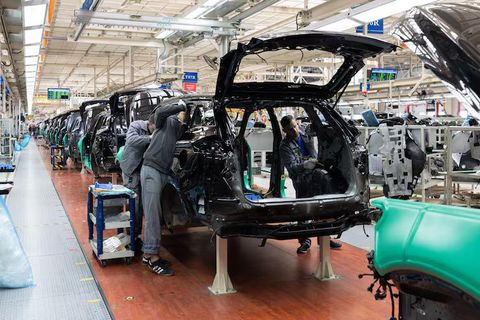
Almost all vehicles have bearings that facilitate the smooth running of car parts. Bearings are applied in several automotive parts, including engines, gearboxes, wheels, and electric motors.
Industrial Machinery
Industrial machines require bearings so that there is free movement of their parts throughout their operational span. This is essential because it helps in extending the operational life of the machinery.
Aerospace Industry
The aerospace industry utilizes bearings because they provide the necessary reliability and reduce the amount of vibration experienced in aircrafts.
Renewable Energy
The wind power industry is one of the most significant users of bearings. This is because wind power machines have several bearings that are used to reduce the amount of friction that occurs during the rotation of the turbine rotor.
Quality Control in Bearing Manufacturing
The quality of bearings produced can be determined by the extent to which quality control procedures are undertaken during the production process.
Generally, the most essential aspect of quality control in bearing production is ensuring that the manufactured bearings meet the engineering requirements.
The most common quality tests that are performed on bearings to ascertain their quality include:
- Dimensional inspection
- Hardness tests
- Surface finish assessment
- Performance evaluation
Challenges Facing Bearing Manufacturing Industry
Bearing manufacturing companies face several challenges in their efforts to support the growing needs of the industries that utilize bearings.
Some of the major challenges facing this industry include:
- Meeting the rising need for advanced technology bearings
- The need to improve efficiency and increase productivity
- Making sure that advanced materials are utilized in bearing production
- Ensuring there are sustainable manufacturing practices
- Meeting ever-changing industrial requirements.
The bearing manufacturing industry faces numerous challenges as it strives to meet the rising demand for bearings around the globe. However, the various challenges facing this industry are likely to be overcome with continued efforts in research and development.
Future Trends in Bearing Manufacturing
Bearing manufacturers are continuously investing in research to come up with new and innovative ways of increasing the efficiency and performance of bearings.
Some of the future trends in bearing manufacturing include:
- Artificial intelligence and smart manufacturing
- Lightweight material bearings
- The utilization of advanced manufacturing technologies to increase the efficiency and performance of bearings.
With the continuous development of new and innovative technologies, bearings are likely to experience significant improvements in the future.
Conclusion
The bearing manufacturing industry plays a critical role in the modern economy since they produce bearings that facilitate free movement of objects and reduce the amount of friction. With the advanced technologies currently being utilized in the manufacturing process, bearing manufacturers continue to utilize their expertise to produce bearings with enhanced quality and reliability. As a result, bearings have become a crucial component in most industries worldwide.