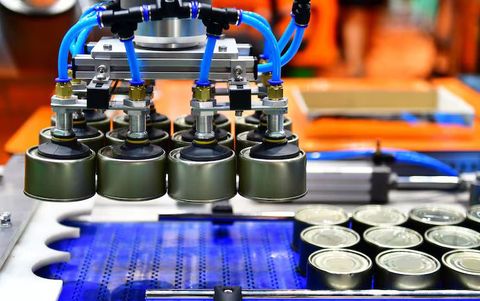
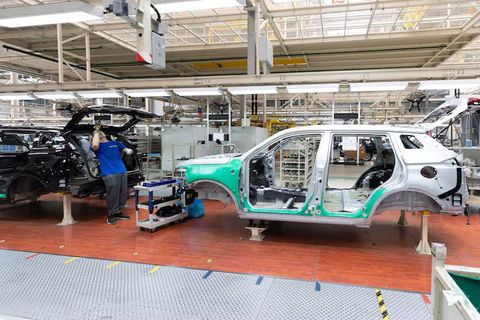
The development of electric vehicles began in the late 19th century, although widespread industrial production increased much later due to improvements in battery technology, charging infrastructure, and environmental policies. Modern EV manufacturing combines automotive engineering, electronics, battery systems, software integration, and automated production technologies. Today, electric vehicle production facilities use advanced robotics, digital monitoring systems, and precision assembly equipment to manufacture vehicles at large scale.
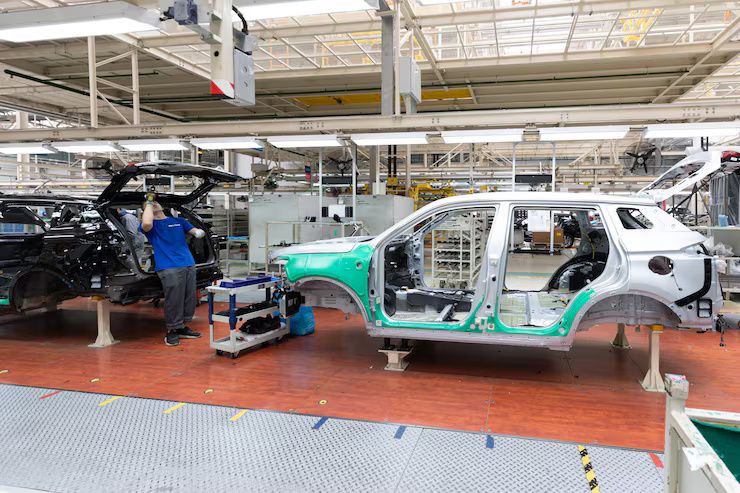
Electric vehicle manufacturing involves several major systems, including:
- Battery pack assembly
- Electric motor production
- Vehicle body fabrication
- Power electronics integration
- Software and sensor installation
- Charging system compatibility testing
The industry has expanded rapidly as transportation systems increasingly focus on energy efficiency, emission reduction, and alternative mobility technologies.
Importance
The electric vehicle manufacturing industry plays an important role in transportation development, industrial innovation, and energy transition efforts. EV production affects automotive supply chains, infrastructure planning, and manufacturing technologies across multiple sectors.
Reduction of Transportation Emissions
Electric vehicles do not rely on gasoline or diesel combustion for propulsion. As a result, many governments and industries view EV technologies as part of broader efforts to reduce transportation-related emissions and improve urban air quality.
EV systems help support:
- Reduced exhaust emissions
- Lower dependence on fossil fuels
- Expansion of renewable energy integration
- Development of cleaner transportation infrastructure
The environmental impact of EV production and electricity generation still depends on energy sources and manufacturing methods used in different regions.
Growth of Advanced Manufacturing
Electric vehicle manufacturing has increased the use of automation, robotics, and digital production systems within automotive factories. Modern EV assembly plants often integrate smart manufacturing technologies to manage production workflows and component tracking.
Industries connected to EV manufacturing include:
| Industry | EV Application | Manufacturing Purpose |
|---|---|---|
| Battery Production | Lithium-ion battery systems | Energy storage |
| Electronics | Power control units | Vehicle operation |
| Software Development | Vehicle management systems | Performance monitoring |
| Mining and Materials | Battery material supply | Raw material processing |
| Charging Infrastructure | Charging equipment systems | Energy distribution |
These industries collectively support electric vehicle production and transportation infrastructure development.
Changes in Transportation Systems
Electric vehicles are increasingly used in public transportation, logistics, industrial mobility, and personal transportation networks. Urban transportation planning in many regions now includes charging stations and EV-compatible infrastructure.
Applications include:
- Passenger transportation
- Public transit systems
- Delivery and logistics vehicles
- Industrial transport fleets
- Shared mobility systems
The growth of EV manufacturing influences how cities and industries plan transportation networks.
Technological Innovation
Electric vehicle development has accelerated research in battery chemistry, energy storage, vehicle software, and power electronics. These technologies are also influencing renewable energy storage systems and industrial power management applications.
EV Technologies
Modern electric vehicles rely on multiple integrated technologies that support energy storage, vehicle movement, and digital control systems.
Battery Systems
Battery packs are among the most important components in electric vehicles. Most EVs use lithium-ion battery technology because of its energy storage capacity and rechargeability.
Battery systems generally include:
- Battery cells
- Cooling systems
- Battery management software
- Protective casings
- Electrical connection systems
Battery manufacturing requires controlled production environments and precision assembly processes.
Electric Motors
Electric motors convert electrical energy into mechanical movement for vehicle propulsion. Different motor types are used depending on vehicle design and performance requirements.
Common EV motor categories include:
- Permanent magnet motors
- Induction motors
- Synchronous motors
These systems are designed for energy efficiency and controlled vehicle acceleration.
Power Electronics
Power electronics manage the flow of electricity between the battery, motor, and charging systems.
Key components include:
- Inverters
- Converters
- Charging controllers
- Power distribution modules
These technologies help regulate vehicle energy usage and charging operations.
Vehicle Software and Sensors
Modern EVs use software systems and sensors to monitor battery performance, navigation functions, vehicle safety, and driving conditions.
Digital systems may support:
- Battery monitoring
- Regenerative braking
- Navigation systems
- Driver assistance technologies
- Energy efficiency tracking
Software integration has become increasingly important in vehicle manufacturing and maintenance.
Production Systems
Electric vehicle manufacturing facilities use advanced production systems designed for automation, precision assembly, and component integration.
Vehicle Body Manufacturing
The production process often begins with vehicle frame and body fabrication. Robotic welding systems and automated assembly lines are commonly used in EV manufacturing plants.
Production stages may include:
- Metal stamping
- Robotic welding
- Surface treatment
- Paint application
- Structural inspection
These processes are similar to traditional automotive manufacturing methods.
Battery Pack Assembly
Battery assembly is a specialized manufacturing stage involving cell arrangement, electrical connection, cooling integration, and protective enclosure installation.
Battery production systems require:
- Temperature-controlled environments
- Automated inspection systems
- Electrical safety testing
- Precision assembly equipment
Battery quality management is important for vehicle performance and operational safety.
Final Vehicle Assembly
During final assembly, manufacturers install motors, electronic systems, battery packs, suspension systems, and interior components.
Assembly operations often involve:
- Automated conveyor systems
- Robotic installation equipment
- Sensor calibration
- Software programming
- Vehicle diagnostics testing
Quality Testing and Inspection
Electric vehicles undergo testing procedures before entering transportation networks.
Inspection stages may include:
- Battery performance analysis
- Electrical safety testing
- Brake system verification
- Charging compatibility testing
- Software diagnostics
These tests help confirm operational performance and safety compliance.
Future Mobility Solutions
The electric vehicle manufacturing industry is closely connected to future mobility systems and transportation technology development.
Connected Vehicle Networks
Modern EVs increasingly use wireless communication systems that connect vehicles with digital infrastructure and cloud-based monitoring platforms.
Connected technologies may support:
- Remote diagnostics
- Navigation updates
- Charging station location systems
- Fleet management platforms
Autonomous Mobility Technologies
Some electric vehicle systems are integrated with advanced driver assistance technologies and autonomous driving research platforms.
Research areas include:
- Vehicle sensors
- Camera systems
- Radar and lidar technologies
- Automated traffic management systems
Smart Charging Infrastructure
Charging infrastructure development is an important part of future mobility planning.
Charging systems may include:
- Fast-charging stations
- Public charging networks
- Home charging equipment
- Fleet charging systems
Infrastructure expansion influences EV adoption in different regions.
Recent Updates
Between 2024 and 2026, electric vehicle manufacturing continued evolving through battery innovation, factory automation, and infrastructure expansion.
Advances in Battery Technology
Manufacturers continue researching battery systems with improved energy density, charging speed, and operational lifespan.
Research areas include:
- Solid-state batteries
- Improved thermal management
- Lightweight battery materials
- Recycling technologies
Expansion of Automated Production
EV factories increasingly use robotics and digital manufacturing systems for vehicle assembly and battery production.
Automation developments include:
- AI-assisted inspection systems
- Automated battery handling
- Smart manufacturing platforms
- Predictive maintenance systems
Growth of Charging Infrastructure
Many countries expanded EV charging networks to support transportation electrification and urban mobility planning.
Focus on Battery Recycling
Battery recycling systems are receiving increased attention as EV production volumes continue growing. Recycling technologies focus on recovering lithium, nickel, cobalt, and other battery materials.
Laws or Policies
Electric vehicle manufacturing is influenced by transportation regulations, environmental policies, and industrial development programs.
Vehicle Safety Regulations
Electric vehicles must comply with automotive safety standards related to:
- Electrical systems
- Battery safety
- Crash protection
- Charging compatibility
- Fire prevention systems
Environmental Policies
Governments increasingly use environmental policies to encourage lower-emission transportation systems and industrial sustainability programs.
Policies may involve:
- Emission reduction targets
- EV infrastructure planning
- Battery recycling requirements
- Industrial energy efficiency programs
Manufacturing and Trade Programs
Some countries maintain industrial programs supporting electric vehicle manufacturing, battery production, and transportation technology research.
Tools and Resources
Several digital tools and technical platforms support EV manufacturing and mobility system management.
Battery Management Software
Battery management systems monitor charging, temperature, voltage, and energy performance within electric vehicles.
Manufacturing Simulation Tools
Automotive manufacturers use simulation software to test production systems and vehicle component designs before assembly operations.
Charging Network Platforms
Digital platforms help users and fleet operators locate charging infrastructure and monitor charging sessions.
FAQs
What is the electric vehicle manufacturing industry?
The electric vehicle manufacturing industry focuses on producing vehicles powered by electric motors and rechargeable battery systems instead of internal combustion engines.
Which technologies are important in EV manufacturing?
Important EV technologies include lithium-ion batteries, electric motors, power electronics, battery management systems, and vehicle software platforms.
How are electric vehicles manufactured?
Electric vehicles are manufactured through processes involving body fabrication, battery pack assembly, motor installation, software integration, and quality testing.
What are future mobility solutions in the EV industry?
Future mobility solutions include connected vehicle systems, smart charging infrastructure, autonomous driving technologies, and electric public transportation networks.
Why is battery production important in electric vehicle manufacturing?
Battery production is important because battery systems store and deliver the electrical energy required for vehicle operation and driving performance.
Conclusion
The electric vehicle manufacturing industry is an important part of modern transportation and industrial technology development. EV production combines battery systems, electric motors, digital software, and automated manufacturing processes to support changing mobility needs. Advances in battery technology, smart production systems, and charging infrastructure continue shaping the future of electric transportation. Environmental policies, vehicle safety regulations, and industrial modernization programs also influence how EV technologies are developed and manufactured. As transportation systems evolve, electric vehicle manufacturing remains closely connected to future mobility solutions and global industrial innovation.