The carton box industry has grown rapidly with the rise of e-commerce, logistics, and global trade. Businesses today focus on strong, lightweight, and eco-friendly packaging, making carton box production more important than ever.
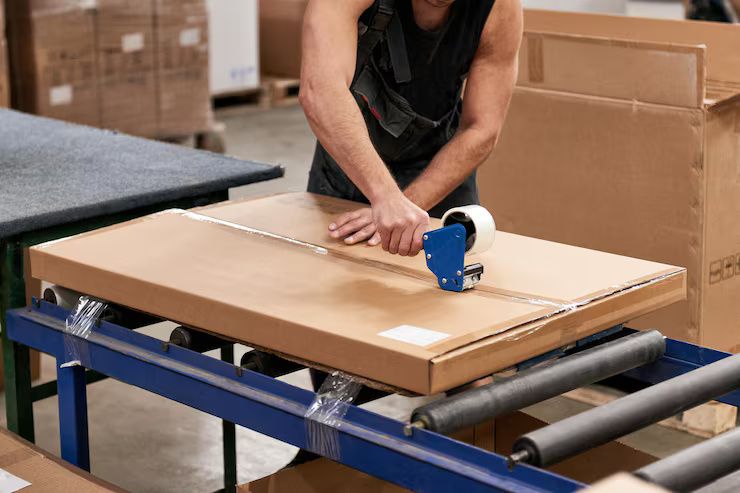
This guide explains how carton boxes are made, the machinery involved, and how they are used across different industries.
What Is Carton Box Making?
Carton box making refers to the process of converting paper-based materials into durable packaging boxes. Most commonly, these are corrugated boxes made from layers of paperboard.
These boxes are designed to protect goods from damage during storage and transportation. They are lightweight, easy to handle, and recyclable, making them a preferred packaging choice.
Types of Carton Boxes
Different industries require different types of boxes. Some common types include:
- Corrugated boxes for shipping and logistics
- Folding cartons for retail products
- Rigid boxes for premium packaging
- Die-cut boxes for custom shapes
For example, an electronics brand may use strong corrugated boxes, while a cosmetics brand may prefer printed folding cartons for better presentation.
Raw Materials Used in Carton Box Production
The strength and quality of a carton box depend on the materials used.
Key Materials
- Kraft paper: Known for its durability and strength
- Test liner: Used as outer layers
- Fluting medium: Creates the wavy inner layer
- Adhesives: Used to bond layers together
The combination of these materials forms corrugated board, which is the base of most shipping boxes.
Why Material Quality Matters
High-quality raw materials improve:
- Load-bearing capacity
- Resistance to moisture
- Overall durability during transport
For instance, heavy products like appliances require thicker and stronger corrugated sheets compared to lightweight items like clothing.
Machinery Used in Carton Box Making
Modern carton box manufacturing relies on specialized machines that ensure speed, accuracy, and consistency.
Corrugation Machine
This is the core machine in the process. It creates corrugated sheets by combining flat paper layers with a fluted layer in between.
- Produces single, double, or triple-wall boards
- Controls thickness and strength
- Works at high speed for large-scale production
Sheet Cutting Machine
After corrugation, large sheets are cut into required sizes.
- Ensures precise dimensions
- Reduces material waste
- Prepares sheets for further processing
Printing Machine
Printing machines add branding, logos, and product information on the boxes.
- Flexographic printing is commonly used
- Supports multiple colors
- Helps in brand visibility
For example, e-commerce companies print handling instructions and brand logos directly on shipping boxes.
Slotting and Die-Cutting Machine
This machine shapes the box and creates slots for folding.
- Cuts flaps and edges
- Allows custom box designs
- Ensures uniform structure
Folder Gluer Machine
This machine folds and glues the box into its final shape.
- Speeds up production
- Ensures strong bonding
- Maintains consistency
Together, these machines form a complete production line that converts raw paper into finished packaging.
Step-by-Step Carton Box Production Process
Understanding the production process helps in seeing how simple materials turn into strong packaging.
Paper Preparation
The process begins with selecting and preparing paper rolls.
- Kraft paper is loaded into the machine
- Moisture and quality are checked
- Paper is aligned for smooth processing
Corrugation
The paper passes through heated rollers to create flutes.
- Fluted paper is bonded with liner sheets
- Adhesive is applied to hold layers together
- Corrugated board is formed
Sheet Cutting
The large corrugated sheets are cut into specific sizes.
- Based on box dimensions
- Adjusted for different product needs
Printing
Designs and information are printed on the sheets.
- Logos, labels, and instructions are added
- Improves product identification
Die-Cutting and Slotting
Sheets are shaped into box patterns.
- Cuts edges and folds
- Creates flaps for assembly
Folding and Gluing
The final step converts flat sheets into boxes.
- Boxes are folded into shape
- Adhesive secures the structure
- Finished boxes are stacked for use
This process ensures that each box meets quality and strength standards.
Packaging Applications of Carton Boxes
Carton boxes are used across almost every industry. Their versatility makes them essential for modern packaging.
E-commerce and Logistics
The rapid growth of online shopping has increased demand for strong packaging.
- Protects products during shipping
- Supports stacking and handling
- Reduces damage during transit
For example, an online store uses corrugated boxes to ship items safely across long distances.
Food and Beverage Industry
Carton packaging is widely used for food products.
- Keeps items सुरक्षित and organized
- Supports branding and labeling
- Suitable for dry and packaged foods
Electronics Industry
Electronic products require protective packaging.
- Prevents damage from impact
- Supports safe storage
- Allows secure transportation
Retail Packaging
Retail brands use cartons for display and presentation.
- Enhances product appearance
- Provides essential information
- Helps in brand recognition
Industrial Packaging
Heavy machinery parts and bulk goods also rely on carton boxes.
- Handles large वजन loads
- Ensures safe handling
- Reduces packaging complexity
Advantages of Carton Box Packaging
Carton boxes remain a top choice due to several practical benefits.
Lightweight and Strong
Despite being lightweight, these boxes provide excellent strength and protection.
Eco-Friendly
- Made from recyclable materials
- Supports sustainable packaging practices
- Reduces environmental impact
Customizable
Businesses can easily customize:
- Size and shape
- Printing and branding
- Strength and thickness
Easy Handling
Carton boxes are easy to store, stack, and transport, making them suitable for various industries.
Challenges in Carton Box Manufacturing
While the process is efficient, there are some challenges.
Raw Material Quality Variation
Inconsistent paper quality can affect box strength.
Moisture Sensitivity
Exposure to moisture can weaken the structure.
Production Efficiency
Maintaining speed without compromising quality requires advanced machinery and proper management.
However, modern technology continues to improve these areas, making production more reliable.
Future Trends in Carton Box Industry
The carton box industry is evolving with changing market demands.
Sustainable Packaging
More companies are focusing on eco-friendly materials and processes.
Smart Packaging
Integration of QR codes and tracking systems is becoming common.
Automation
Advanced machines are improving production speed and accuracy.
Custom Packaging Solutions
Brands are moving toward unique designs to stand out in the market.
These trends are shaping the future of packaging and increasing the importance of carton box manufacturing.
Tips for Better Carton Box Production
To achieve consistent quality, manufacturers focus on key practices:
- Use high-quality raw materials
- Maintain machinery regularly
- Monitor production processes closely
- Ensure proper storage conditions
These steps help maintain durability and performance.
Conclusion
Carton box making is a well-structured process that combines material science, machinery, and design. From raw paper to finished packaging, each step plays a crucial role in ensuring strength and reliability.
As industries continue to grow, the demand for efficient and sustainable packaging solutions will rise. Carton boxes will remain an essential part of this ecosystem, supporting safe transportation and effective product presentation.
Understanding the machinery, production process, and applications helps in appreciating the value behind something as simple as a box.