As global supply chains continue to expand, the demand for durable, lightweight, and efficient packaging systems has increased significantly. Modern corrugated box manufacturing combines advanced machinery, automated production systems, and precision engineering to produce packaging solutions that meet diverse industrial requirements.
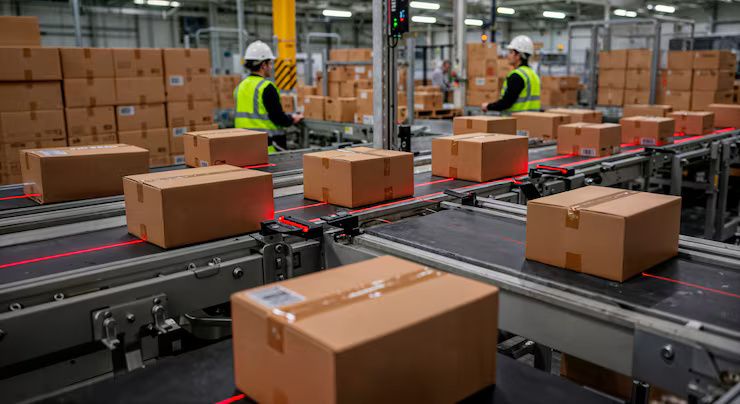
In this guide, we’ll explore corrugated box manufacturing, the production process, packaging technologies, and the industrial applications that make corrugated packaging an essential part of modern logistics and product distribution.
What Is Corrugated Box Manufacturing?
Corrugated box manufacturing is the industrial process of producing packaging materials made from fluted paperboard and liner sheets that provide strength, cushioning, and structural protection.
Unlike standard paper cartons, corrugated boxes contain a specially designed fluted layer positioned between liner boards. This structure improves durability while keeping the packaging lightweight.
Modern manufacturing facilities focus on:
- High structural strength
- Consistent packaging quality
- Efficient large-scale production
- Sustainable material utilization
These factors help ensure reliable packaging performance across various industries.
Why Corrugated Packaging Is Important
Packaging is more than just a container. It protects products, improves handling efficiency, and supports transportation throughout the supply chain.
Corrugated boxes are widely preferred because they provide:
- Product protection during transit
- Lightweight packaging solutions
- Efficient storage and stacking capabilities
- Customizable packaging designs
These advantages make corrugated packaging a key component of modern industrial operations.
Main Types of Corrugated Boxes
Different box designs are manufactured depending on product requirements and transportation conditions.
Regular Slotted Containers
These are the most commonly used corrugated boxes in commercial and industrial packaging.
They are suitable for a wide variety of products and shipping applications.
Die-Cut Boxes
Die-cut boxes are manufactured with custom shapes and designs for specialized packaging requirements.
They are often used for branded packaging and product presentation.
Heavy-Duty Corrugated Boxes
These boxes are designed for industrial equipment, machinery components, and heavier products.
Additional layers improve strength and load-bearing capacity.
Multi-Wall Corrugated Boxes
Multi-wall designs use multiple corrugated layers to enhance durability and impact resistance.
They are commonly used for export packaging and industrial logistics.
Raw Materials Used in Corrugated Box Production
The quality of corrugated packaging depends heavily on the materials used during manufacturing.
Common Raw Materials
- Kraft paper liners
- Corrugated medium paper
- Adhesives and bonding materials
- Printing inks and coatings
These materials are selected carefully to achieve the required balance of strength, durability, and packaging performance.
For example, higher-grade kraft paper can improve box strength and stacking capability.
Corrugated Box Manufacturing Process
The manufacturing process involves several production stages that transform paper materials into finished packaging products.
1. Paper Preparation
The process begins with preparing liner paper and corrugated medium paper.
Materials are inspected to ensure they meet production specifications before entering the manufacturing line.
2. Corrugation Process
The corrugated medium passes through heated rollers that create the fluted structure.
This fluting provides the cushioning and strength that distinguish corrugated packaging from ordinary paperboard.
3. Liner Bonding
The fluted medium is bonded between liner sheets using industrial adhesives.
This creates a durable corrugated board structure.
Proper bonding is essential because it directly affects packaging strength and durability.
4. Board Drying and Conditioning
The bonded corrugated board passes through controlled drying systems to stabilize moisture content and improve structural integrity.
This stage helps ensure consistent product quality.
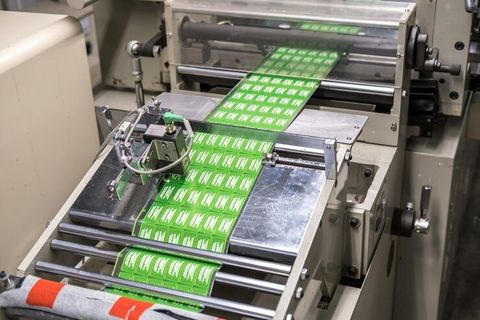
5. Printing and Surface Processing
Many corrugated boxes require branding, product information, or handling instructions.
Modern printing systems allow manufacturers to apply:
- Product graphics
- Brand identification
- Logistics information
- Industrial markings
Advanced printing technologies improve visual quality and production efficiency.
6. Cutting and Slotting
The corrugated sheets are cut and shaped according to required box dimensions.
Precision cutting systems help maintain:
- Accurate sizing
- Consistent folding lines
- Clean edge finishing
This stage prepares the packaging for assembly.
7. Folding and Assembly
Sheets are folded and assembled into finished box structures using automated production systems.
Depending on the design, additional reinforcement may be applied.
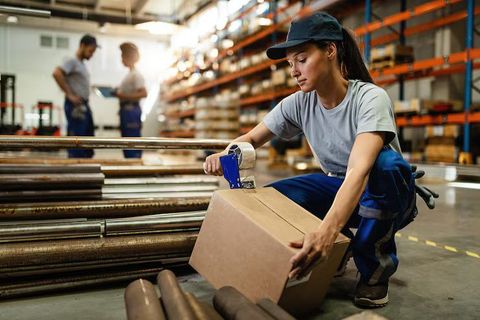
8. Inspection and Packaging
Finished boxes undergo quality inspections before distribution.
Testing may include dimensional accuracy, compression strength, and structural consistency evaluations.
Machinery Used in Corrugated Box Manufacturing
Modern corrugated box plants rely on advanced machinery for efficient production.
Common Machinery
- Corrugators and fluting systems
- Adhesive application equipment
- Printing machines
- Die-cutting systems
- Slotting and folding machines
- Automated stacking equipment
These machines help improve production speed while maintaining consistent packaging quality.
Automation also reduces material waste and operational errors.
Importance of Automation in Packaging Production
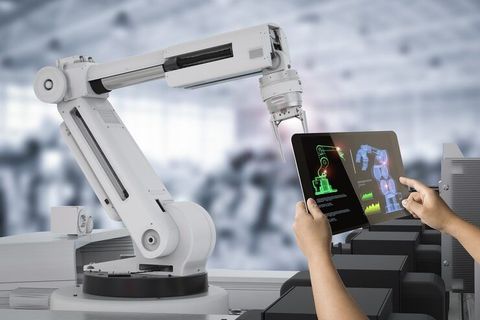
Automation has significantly improved corrugated packaging manufacturing.
Modern production facilities use automated systems to monitor:
- Material feeding operations
- Corrugation quality
- Printing accuracy
- Cutting and assembly precision
This improves productivity while ensuring reliable packaging performance.
Industrial Applications of Corrugated Boxes
Corrugated packaging is used across numerous industries because of its versatility and protective properties.
E-Commerce and Retail
Online retailers rely heavily on corrugated boxes for secure product transportation and delivery operations.
Food and Beverage Industry
Packaging systems help protect food products during storage and distribution.
Consumer Goods Manufacturing
Electronics, household products, and personal care items frequently use corrugated packaging.
Industrial Equipment Packaging
Heavy-duty corrugated boxes are commonly used for machinery parts and industrial components.
Logistics and Warehousing
Warehousing operations depend on corrugated packaging for efficient storage, stacking, and transportation.
These applications demonstrate the widespread importance of corrugated packaging systems.
Advantages of Modern Corrugated Packaging
Modern manufacturing technologies provide several major benefits.
Key Advantages
- Lightweight yet durable construction
- Improved product protection
- Efficient storage and transportation
- Customizable packaging solutions
These advantages make corrugated packaging one of the most preferred packaging formats worldwide.
Challenges in Corrugated Box Manufacturing
Despite technological advancements, manufacturers face several production challenges.
Maintaining consistent paper quality is important because variations can affect box strength and durability.
Production facilities must also manage moisture levels carefully to maintain structural performance.
Environmental sustainability and material efficiency are becoming increasingly important as industries focus on responsible packaging practices.
Future Trends in Corrugated Packaging Manufacturing
The packaging industry continues evolving with advanced technologies and changing market requirements.
Emerging Trends
- Smart automated packaging systems
- Sustainable packaging materials
- High-speed digital printing technologies
- Lightweight high-strength corrugated designs
These innovations are helping manufacturers improve efficiency while supporting modern packaging demands.
Practical Example of Corrugated Packaging Applications
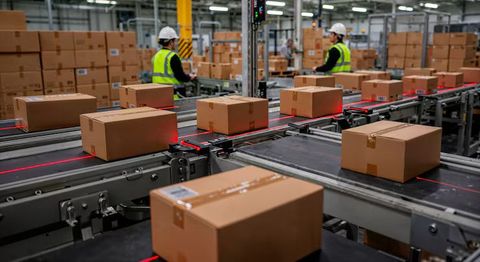
Consider a large e-commerce distribution center where thousands of products are packaged and shipped daily.
Different corrugated box designs are used depending on product size, weight, and transportation requirements.
Automated packaging systems help prepare shipments efficiently while ensuring products remain protected throughout the delivery process.
This example highlights the critical role corrugated packaging plays in modern supply chain operations.
Conclusion
Corrugated box manufacturing is a highly specialized industrial process that combines paper processing, advanced machinery, and automated packaging technologies to produce reliable packaging solutions.
From corrugation and printing to cutting and assembly, every production stage contributes to packaging quality, durability, and performance.
As global logistics, e-commerce, and industrial distribution continue expanding, corrugated box manufacturing will remain an essential part of modern packaging systems and supply chain infrastructure.