Today, industries are under pressure to improve efficiency, reduce waste, and move toward sustainable operations. This is where smart energy systems come into the picture. They help organizations manage power better, reduce unnecessary consumption, and improve long-term performance.
In this guide, we will explore how industrial energy systems work, why they matter, and how businesses can use them for smarter and more sustainable operations.
What Are Industrial Energy Systems?
Industrial energy systems refer to the setup of equipment, technologies, and processes used to generate, distribute, and manage energy within an industrial environment.
These systems are designed to ensure that energy is used efficiently across all operations without unnecessary losses.
Key Components of Industrial Energy Systems
- Power generation units (like turbines, generators)
- Energy distribution networks
- Control systems and monitoring tools
- Heating, ventilation, and cooling systems
- Machinery and production equipment
Each component plays a role in ensuring smooth and efficient energy flow throughout the facility.
Why Efficient Energy Management Matters
Energy is one of the biggest operational factors in any industrial setup. Poor energy management can lead to waste, inefficiency, and reduced performance.
Key Reasons to Focus on Energy Efficiency
- Reduced energy waste across operations
- Improved equipment performance
- Better environmental sustainability
- Stronger operational control
For example, a manufacturing plant running outdated machines may consume more power than necessary. Upgrading or optimizing those systems can significantly improve efficiency.
Types of Industrial Energy Systems
Different industries use different types of energy systems depending on their needs.
Electrical Energy Systems
These are the most common systems used to power machinery, lighting, and automation tools.
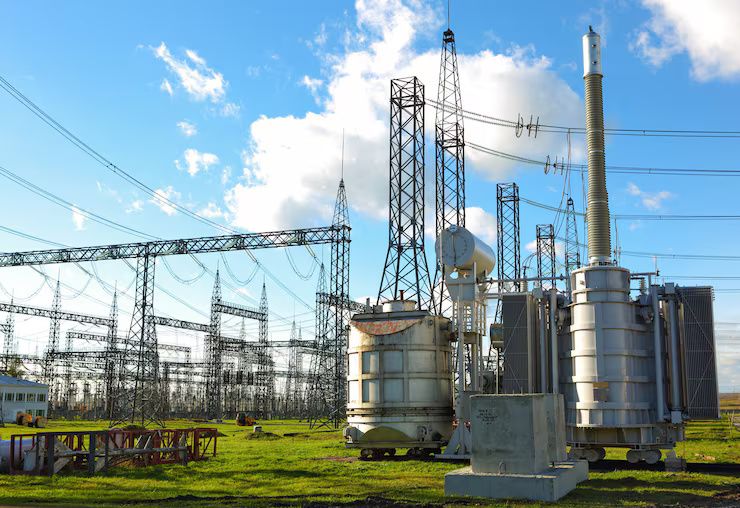
They include transformers, switchgear, and distribution panels that ensure stable power flow.
Thermal Energy Systems
Used for heating, cooling, and industrial processes like drying or melting.
Common examples include boilers, furnaces, and heat exchangers.
Renewable Energy Integration
Many industries are now integrating renewable sources like solar and wind into their energy systems.
This helps reduce dependence on traditional energy sources and supports sustainability goals.
Hybrid Energy Systems
These combine multiple energy sources to create a balanced and efficient system.
For example, a factory may use both grid electricity and solar panels for power.
Smart Energy Management Systems (EMS)
Modern industries are increasingly adopting Energy Management Systems (EMS) to monitor and control energy usage.
An EMS uses data and automation to optimize how energy is consumed.
Key Features of EMS
- Real-time energy monitoring
- Data analytics for usage patterns
- Automated control of equipment
- Alerts for unusual energy consumption
Practical Example
Imagine a factory where machines continue running even during idle hours. An EMS can detect this pattern and automatically reduce energy usage, leading to better efficiency.
Benefits of Industrial Energy Optimization
Optimizing energy systems is not just about saving power. It also improves overall operations.
Major Benefits
- Lower energy consumption
- Improved system reliability
- Reduced downtime
- Better compliance with environmental standards
Additional Advantages
- Enhanced productivity
- Longer equipment lifespan
- Better decision-making through data insights
For instance, predictive maintenance powered by energy data can help identify issues before they cause breakdowns.
Role of Automation in Energy Efficiency
Automation is transforming how industrial energy systems operate.
How Automation Helps
- Adjusts energy usage based on demand
- Reduces manual errors
- Ensures consistent performance
- Improves response time to changes
Real-Life Scenario
A smart factory uses automated systems to adjust lighting and cooling based on occupancy. This ensures that energy is not wasted when areas are not in use.
Sustainable Industrial Operations
Sustainability is now a major focus for industries worldwide. Efficient energy systems play a key role in achieving sustainability goals.
Key Sustainability Practices
- Using energy-efficient equipment
- Reducing carbon emissions
- Recycling waste heat
- Integrating renewable energy sources
Example
A cement plant can reuse waste heat from production processes to generate additional power. This reduces overall energy consumption and improves efficiency.
Common Challenges in Industrial Energy Systems
While energy systems bring many benefits, they also come with challenges.
Typical Challenges
- High initial setup complexity
- Lack of awareness about energy optimization
- Integration issues with older systems
- Difficulty in monitoring large-scale operations
However, with proper planning and modern technology, these challenges can be managed effectively.
Strategies for Efficient Power Management
Improving energy efficiency requires a structured approach.
1. Conduct Energy Audits
Regular energy audits help identify areas where energy is being wasted.
2. Upgrade Equipment
Modern machines are designed to consume less energy while delivering better performance.
3. Implement Smart Monitoring
Using digital tools to track energy usage helps in making informed decisions.
4. Train Workforce
Educating employees about energy-saving practices can make a big difference.
5. Optimize Load Management
Balancing energy demand across systems ensures smooth operations without overload.
Importance of Data in Energy Management
Data plays a crucial role in modern energy systems.
How Data Helps
- Tracks energy consumption patterns
- Identifies inefficiencies
- Supports predictive maintenance
- Enables better planning
For example, analyzing energy data can reveal that certain machines consume more power during specific hours, allowing managers to adjust operations accordingly.
Future Trends in Industrial Energy Systems
Industrial energy systems are evolving with technology.
Emerging Trends
- Use of artificial intelligence for energy optimization
- Growth of smart grids
- Increased adoption of IoT devices
- Focus on decentralized energy systems
These trends are making energy systems more intelligent and efficient.
Tips for Improving Energy Efficiency
Here are some simple yet effective tips for industries:
- Monitor energy usage regularly
- Use energy-efficient lighting systems
- Maintain equipment properly
- Avoid unnecessary energy consumption
- Adopt automation where possible
Small improvements can lead to significant long-term benefits.
Conclusion
Industrial energy systems are the backbone of modern industrial operations. Efficient power management is no longer just an option—it is a necessity for sustainability and long-term success.
By adopting smart technologies, optimizing energy usage, and focusing on sustainable practices, industries can improve performance while reducing environmental impact.
The future of industrial operations lies in smarter energy systems that combine efficiency, technology, and sustainability. Businesses that embrace these changes will be better prepared for the evolving demands of modern industry.