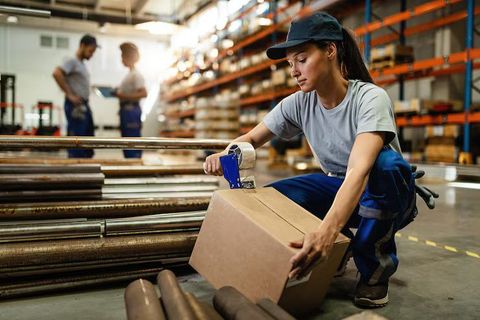
The packaging industry has evolved significantly alongside manufacturing, retail, logistics, and international trade. Early packaging relied on simple materials such as paper, wood, cloth, and glass. As industrial production expanded, manufacturers developed specialized packaging materials designed for durability, hygiene, moisture resistance, and transportation efficiency. Today, advanced production systems combine automation, material science, and digital technologies to manufacture packaging materials for a wide range of industrial applications.
Packaging materials are used in sectors such as food processing, pharmaceuticals, electronics, consumer goods, chemicals, agriculture, and e-commerce. Different materials are selected based on product requirements, environmental conditions, transportation methods, and storage needs.
Importance
Packaging materials manufacturing supports modern commerce, industrial production, and global logistics networks. Without reliable packaging materials, products could face damage, contamination, or handling difficulties during transportation and storage.
Product Protection
One of the primary purposes of packaging materials is protecting products from physical damage, moisture, dust, and environmental exposure. Different materials are designed to address specific protection requirements.
For example:
- Corrugated packaging helps absorb impact during shipping.
- Flexible films provide moisture barriers for food products.
- Protective foam materials reduce damage to electronic equipment.
- Metal containers help protect sensitive industrial products.
These protective functions help maintain product quality throughout the supply chain.
Supply Chain Efficiency
Packaging materials contribute to organized storage, transportation, and inventory management. Standardized packaging allows products to be stacked, handled, and tracked more effectively.
Industries benefiting from packaging systems include:
| Industry | Packaging Material Application | Purpose |
|---|---|---|
| Food Processing | Flexible packaging films | Product preservation |
| Pharmaceuticals | Blister packaging materials | Product protection |
| Electronics | Protective cushioning materials | Damage reduction |
| Consumer Goods | Corrugated packaging | Distribution support |
| Chemicals | Industrial containers | Safe material handling |
Efficient packaging systems support smoother logistics operations across manufacturing and distribution networks.
Support for Industrial Production
Manufacturing facilities depend on packaging materials to prepare products for storage and shipment. Packaging often forms the final stage of production before products enter warehouses or transportation systems.
Modern packaging materials also support:
- Product identification
- Inventory tracking
- Regulatory labeling
- Transportation management
These functions help connect manufacturing operations with distribution channels.
Advanced Production Systems
Packaging materials manufacturing uses advanced production systems designed to improve efficiency, consistency, and material performance.
Automated Manufacturing Equipment
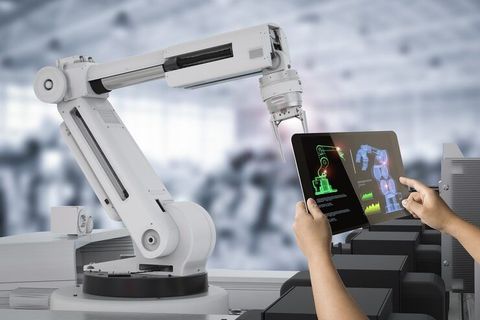
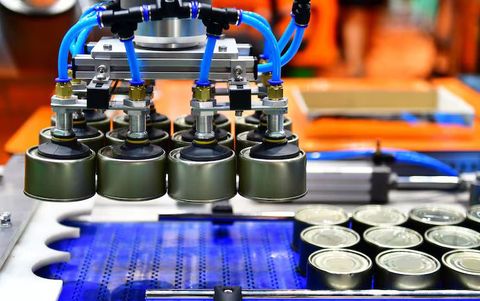
Many packaging production facilities use automated machinery to process raw materials and produce finished packaging products. Automation helps maintain consistent output and reduces manual intervention during repetitive manufacturing tasks.
Common automated systems include:
- Film extrusion lines
- Corrugated board production equipment
- Printing and coating machinery
- Cutting and converting systems
These technologies support large-scale manufacturing operations.
Digital Production Monitoring
Modern production facilities increasingly use digital monitoring systems to track machine performance, production output, and material usage.
Monitoring functions may include:
- Production rate tracking
- Equipment diagnostics
- Quality control reporting
- Maintenance scheduling
Real-time data helps manufacturers manage production workflows more effectively.
Material Processing Technologies
Packaging materials manufacturing involves specialized processing methods depending on the material being produced.
Examples include:
- Extrusion for plastic films and sheets
- Pulp processing for paper products
- Metal forming for cans and containers
- Glass molding for bottles and jars
Each process is designed to meet specific packaging performance requirements.
Quality Control Systems
Advanced production systems often include inspection technologies that monitor material thickness, strength, printing accuracy, and dimensional consistency.
Quality control methods may involve:
- Optical inspection systems
- Thickness measurement devices
- Surface defect detection equipment
- Material strength testing
These systems help maintain production standards across manufacturing operations.
Manufacturing Processes
The manufacturing process for packaging materials varies depending on the type of material and its intended application.
Paper and Corrugated Packaging Production
Paper-based packaging begins with pulp processing and sheet formation. The material is then converted into cartons, boxes, or protective packaging products.
Production stages often include:
- Pulp preparation
- Sheet formation
- Drying processes
- Printing and finishing
- Cutting and assembly
Corrugated packaging adds additional layers to improve strength and cushioning performance.
Plastic Packaging Manufacturing
Plastic packaging materials are commonly produced through extrusion, molding, or film-processing technologies.
Applications include:
- Flexible packaging films
- Industrial wrapping materials
- Containers and bottles
- Protective packaging components
Plastic materials are selected based on durability, flexibility, and barrier properties.
Metal Packaging Production
Metal packaging systems are widely used in food processing, chemical storage, and industrial product handling.
Manufacturing processes include:
- Sheet metal forming
- Stamping operations
- Surface coating
- Container assembly
Metal packaging provides durability and resistance to environmental conditions.
Glass Packaging Manufacturing
Glass packaging production involves melting raw materials and shaping molten glass into containers using specialized molding equipment.
Glass packaging is commonly used for:
- Beverage containers
- Pharmaceutical packaging
- Cosmetic products
- Specialty industrial materials
The material provides transparency and chemical stability in many applications.
Industrial Applications
Packaging materials are used throughout manufacturing, logistics, and distribution sectors.
Food and Beverage Industry
Food manufacturers use packaging materials to support storage, transportation, and product preservation. Packaging solutions help manage hygiene requirements and shelf-life considerations.
Applications include:
- Flexible pouches
- Cartons
- Bottles
- Protective wraps
Pharmaceutical Industry
Pharmaceutical packaging materials are designed to protect products from moisture, contamination, and environmental exposure.
Common packaging formats include:
- Blister packs
- Bottles
- Medical pouches
- Protective cartons
These materials support product handling and identification.
Electronics Manufacturing
Electronic products often require specialized packaging materials that protect against impact, static electricity, and transportation damage.
Examples include:
- Foam cushioning materials
- Anti-static packaging
- Corrugated shipping containers
- Protective inserts
Industrial and Chemical Applications
Industrial products and chemicals frequently require durable packaging materials capable of handling demanding transportation and storage conditions.
Applications include:
- Industrial drums
- Bulk containers
- Protective liners
- Heavy-duty cartons
Recent Updates
Between 2024 and 2026, packaging materials manufacturing continued evolving through automation, sustainability initiatives, and advanced material development.
Growth of Sustainable Packaging Materials
Manufacturers increasingly focus on recyclable, reusable, and alternative packaging materials. Research continues into reducing material waste and improving packaging recovery systems.
Industry developments include:
- Recycled fiber packaging
- Lightweight packaging structures
- Alternative material solutions
- Improved material recovery processes
Smart Manufacturing Technologies
Production facilities are adopting smart manufacturing systems that integrate sensors, machine analytics, and automated monitoring technologies.
Examples include:
- Predictive maintenance systems
- Production performance tracking
- Automated quality inspection
- Digital workflow management
Advanced Barrier Materials
Research into barrier technologies continues to improve protection against moisture, oxygen, and environmental exposure.
These materials are increasingly used in:
- Food packaging
- Medical packaging
- Industrial storage systems
Automation Expansion
Packaging material manufacturers continue expanding robotic handling systems, automated converting equipment, and digital production controls to improve operational efficiency.
Laws or Policies
Packaging materials manufacturing is influenced by environmental regulations, workplace safety requirements, and product packaging standards.
Environmental Regulations
Many countries have introduced policies related to packaging waste reduction and material recycling.
Regulatory areas may include:
- Recycling requirements
- Waste management practices
- Material recovery targets
- Environmental reporting standards
These policies influence material selection and manufacturing strategies.
Product Labeling Requirements
Packaging materials used in consumer products often support labeling regulations related to safety, identification, and handling information.
Requirements may vary depending on:
- Industry sector
- Product category
- Distribution region
Workplace Safety Standards
Packaging production facilities generally follow industrial safety regulations covering machine operation, material handling, and manufacturing processes.
Tools and Resources
Several technical tools and digital resources support packaging materials manufacturing and production management.
Production Management Software
Manufacturers use digital platforms to monitor production schedules, equipment performance, and inventory levels.
These systems may support:
- Production planning
- Resource management
- Equipment monitoring
- Quality reporting
Material Testing Equipment
Testing systems help evaluate packaging performance characteristics such as strength, flexibility, and durability.
Common testing methods include:
- Compression testing
- Tensile strength analysis
- Barrier performance evaluation
- Impact resistance testing
Design and Engineering Software
Packaging engineers use design software to create packaging structures, simulate performance, and optimize material usage during product development.
FAQs
What is packaging materials manufacturing?
Packaging materials manufacturing is the process of producing paper, plastic, metal, glass, and other materials used to protect, store, transport, and distribute products.
What are advanced production systems in packaging manufacturing?
Advanced production systems include automated machinery, digital monitoring technologies, quality control equipment, and integrated manufacturing processes used to improve production efficiency.
Which industries use packaging materials the most?
Industries commonly using packaging materials include food processing, pharmaceuticals, electronics, consumer goods, chemicals, and logistics operations.
What manufacturing processes are used for packaging materials?
Common manufacturing processes include extrusion, molding, pulp processing, metal forming, glass molding, printing, and converting operations.
Why are industrial packaging materials important?
Industrial packaging materials help protect products, support transportation, improve inventory management, and reduce handling-related damage throughout supply chains.
Conclusion
Packaging materials manufacturing is an important part of modern industrial production and logistics systems. Advanced production systems help manufacturers produce packaging materials with consistent quality and performance across various industries. Different manufacturing processes are used to create paper, plastic, metal, and glass packaging products for specific industrial applications. Ongoing developments in automation, material science, and sustainability continue influencing the packaging sector. Regulations and industry standards also shape how packaging materials are designed, produced, and managed within global supply chains.