The industrial gas sector developed alongside large-scale manufacturing and chemical processing industries. Early gas production systems focused mainly on oxygen and fuel gases for welding and metalworking operations. Over time, advances in cryogenic processing, air separation systems, and gas purification technologies expanded industrial gas applications across multiple sectors.
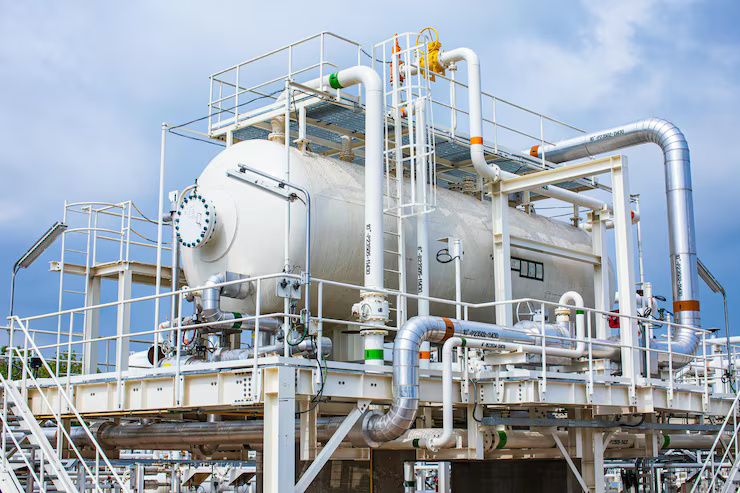
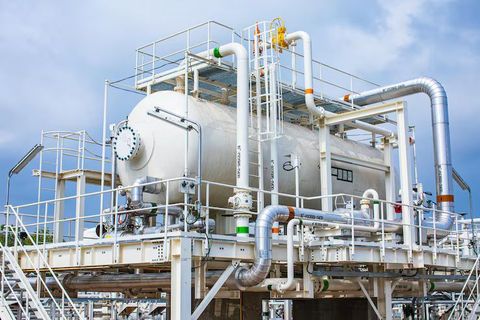
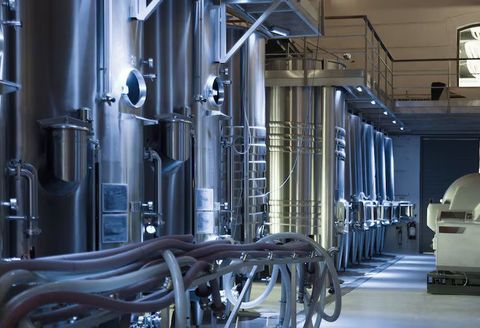
Modern industrial gas manufacturing facilities use automated production systems, pressure control equipment, storage tanks, and monitoring technologies to manage gas processing operations safely and efficiently. Industrial gases may be distributed through pipelines, cylinders, liquid storage containers, or transport tankers depending on application requirements.
These gases are widely used in industrial environments where controlled chemical reactions, temperature management, combustion support, or specialized processing conditions are required.
Importance
Industrial gas manufacturing plays an important role in modern industrial infrastructure and production systems. Many industries depend on industrial gases for manufacturing processes, energy generation, healthcare operations, and scientific applications.
Support for Manufacturing Operations
Industrial gases are commonly used in metal fabrication, chemical processing, electronics production, and industrial automation systems.
Examples of industrial gas usage include:
| Industry | Gas Application | Purpose |
|---|---|---|
| Metal Manufacturing | Oxygen and acetylene systems | Welding and cutting |
| Healthcare | Medical oxygen supply | Respiratory support |
| Food Processing | Nitrogen packaging | Product preservation |
| Electronics | High-purity gases | Semiconductor production |
| Chemical Industry | Hydrogen processing | Industrial reactions |
These applications support production efficiency and specialized industrial processes.
Energy and Temperature Control
Certain industrial gases help manage temperature conditions and energy-related operations. Cryogenic gases are used in cooling systems, refrigeration technologies, and low-temperature industrial environments.
Applications include:
- Industrial refrigeration
- LNG processing systems
- Metal cooling operations
- Scientific laboratory equipment
Temperature-controlled gas systems are important in sectors requiring precision environmental conditions.
Healthcare and Medical Infrastructure
Medical-grade gases are widely used in hospitals, laboratories, and healthcare facilities. Oxygen systems support respiratory treatment, while other gases are used in diagnostics and medical processing equipment.
Healthcare-related applications may involve:
- Intensive care systems
- Surgical equipment
- Laboratory testing
- Medical imaging technologies
Industrial gas manufacturing therefore supports both industrial and healthcare infrastructure.
Environmental and Industrial Processing
Industrial gases are also used in environmental systems and pollution management technologies. Some gases support wastewater treatment, emission reduction, and industrial filtration operations.
Production Systems
Industrial gas manufacturing involves several production methods depending on the type of gas and purity requirements.
Air Separation Systems
Air separation is one of the most common industrial gas production methods. Atmospheric air is compressed, cooled, and separated into oxygen, nitrogen, and argon using cryogenic technologies.
The process generally includes:
- Air filtration
- Compression systems
- Cooling and liquefaction
- Cryogenic distillation
- Gas purification
These systems operate continuously in large industrial production facilities.
Hydrogen Production
Hydrogen is produced through several industrial methods including steam reforming, electrolysis, and gasification processes.
Common hydrogen production techniques include:
- Steam methane reforming
- Water electrolysis
- Biomass gasification
Hydrogen applications continue expanding in energy systems and industrial processing operations.
Carbon Dioxide Recovery Systems
Carbon dioxide may be recovered as a byproduct from industrial fermentation, chemical processing, and energy-related operations.
Recovery systems typically involve:
- Gas collection
- Compression
- Purification
- Liquefaction
Recovered carbon dioxide is used in food processing, refrigeration, and industrial applications.
Acetylene and Specialty Gas Production
Specialty gases are manufactured through controlled chemical processes and purification systems designed for industrial and scientific use.
These gases may require:
- Precision blending systems
- High-purity filtration
- Controlled storage environments
Processing Technologies
Industrial gas manufacturing depends on advanced processing technologies that manage gas separation, purification, storage, and transportation.
Cryogenic Processing
Cryogenic technology uses extremely low temperatures to liquefy and separate gases. This method is commonly used for oxygen, nitrogen, and argon production.
Cryogenic systems involve:
- Heat exchangers
- Expansion turbines
- Distillation columns
- Insulated storage tanks
These systems are widely used in large-scale industrial gas facilities.
Compression and Storage Systems
Industrial gases are compressed for storage and transportation through pipelines, cylinders, or liquid containers.
Storage equipment may include:
- High-pressure cylinders
- Cryogenic tanks
- Pipeline distribution systems
- Bulk transport containers
Pressure control is important for safe handling and operational stability.
Gas Purification Technologies
Purification systems remove moisture, particles, and chemical impurities from industrial gases.
Common purification methods include:
- Filtration systems
- Adsorption units
- Membrane separation
- Chemical absorption processes
High-purity gases are especially important in electronics and healthcare industries.
Automated Monitoring Systems
Modern gas production facilities use digital monitoring systems to track pressure, temperature, flow rates, and equipment performance.
Monitoring technologies may support:
- Leak detection
- Remote system control
- Predictive maintenance
- Production analysis
Industrial Applications
Industrial gases are used across many sectors where controlled atmospheric conditions or chemical reactions are required.
Metal Fabrication and Manufacturing
Oxygen, nitrogen, and fuel gases are used in welding, cutting, heat treatment, and metal processing operations.
Applications include:
- Steel manufacturing
- Automotive production
- Heavy equipment fabrication
- Aerospace engineering
Electronics and Semiconductor Production
Semiconductor manufacturing facilities use high-purity industrial gases during chip fabrication and electronics assembly processes.
Common gases include:
- Nitrogen
- Argon
- Hydrogen
- Specialty process gases
These gases support precision manufacturing conditions.
Food and Beverage Industry
Industrial gases are used in food preservation, packaging, refrigeration, and beverage carbonation systems.
Examples include:
- Modified atmosphere packaging
- Carbonated beverage production
- Cold storage systems
Healthcare and Laboratories
Medical and laboratory environments use oxygen, nitrogen, helium, and specialty gases for diagnostics, respiratory care, and scientific research applications.
Recent Updates
Between 2024 and 2026, industrial gas manufacturing continued evolving through automation, sustainability efforts, and energy-focused technologies.
Growth of Hydrogen Infrastructure
Hydrogen production and storage technologies are receiving increased attention due to energy transition projects and industrial decarbonization programs.
Developments include:
- Electrolysis system expansion
- Hydrogen transport infrastructure
- Industrial fuel research
Smart Monitoring and Automation
Industrial gas facilities increasingly use digital monitoring systems and automated controls.
Recent technologies include:
- Remote pressure monitoring
- AI-assisted maintenance systems
- Automated leak detection
- Production analytics platforms
Energy Efficiency Improvements
Manufacturers are focusing on reducing energy consumption in cryogenic and gas compression systems.
Efficiency projects include:
- Heat recovery systems
- Advanced compressor technologies
- Improved insulation systems
Environmental and Carbon Management
Industries are also exploring carbon capture and gas recovery technologies connected to emission management programs.
Laws or Policies
Industrial gas manufacturing is regulated through workplace safety standards, environmental laws, and transportation regulations.
Safety Regulations
Industrial gas facilities generally follow regulations related to:
- High-pressure systems
- Hazardous gas handling
- Fire prevention
- Emergency response planning
Safety inspections help manage operational risks in gas production environments.
Environmental Policies
Environmental regulations may influence:
- Emission control systems
- Energy usage reporting
- Carbon management programs
- Waste gas handling
Transportation Standards
Compressed and liquefied gases are often regulated during transportation and storage operations to maintain safe handling conditions.
Tools and Resources
Several technical tools and digital systems support industrial gas manufacturing and monitoring operations.
Gas Monitoring Systems
Facilities use monitoring systems to track gas purity, pressure levels, and storage conditions.
Functions may include:
- Leak detection
- Pressure monitoring
- Flow analysis
- Alarm management
Engineering Simulation Software
Industrial engineers use simulation tools to design gas processing systems and evaluate production efficiency.
Quality Testing Equipment
Gas analysis equipment helps manufacturers verify purity levels and process stability before industrial distribution.
FAQs
What is industrial gas manufacturing?
Industrial gas manufacturing is the process of producing gases such as oxygen, nitrogen, hydrogen, and carbon dioxide for industrial, healthcare, and commercial applications.
Which industries use industrial gases the most?
Industries commonly using industrial gases include manufacturing, healthcare, food processing, electronics, chemical processing, and energy production.
How are industrial gases produced?
Industrial gases are produced through methods such as air separation, electrolysis, gas reforming, compression, purification, and cryogenic processing.
Why are cryogenic technologies important in industrial gas production?
Cryogenic technologies allow gases to be cooled and separated at extremely low temperatures for large-scale oxygen, nitrogen, and argon production.
What are common industrial applications of oxygen and nitrogen?
Oxygen is commonly used in welding, healthcare, and metal processing, while nitrogen is used in packaging, electronics manufacturing, and industrial cooling systems.
Conclusion
Industrial gas manufacturing is an important part of modern industrial infrastructure and production technology. Production systems and processing technologies support the generation, purification, storage, and distribution of gases used across manufacturing, healthcare, electronics, energy, and food processing industries. Advances in automation, hydrogen production, and energy-efficient systems continue shaping industrial gas operations worldwide. Safety regulations, environmental policies, and transportation standards also influence how industrial gases are processed and managed. As industrial demand evolves, industrial gas technologies remain closely connected to global manufacturing and infrastructure development.