This comprehensive overview explains nearsighted laser eye surgery in simple, clear terms. From how it improves vision to the benefits, risks, and long-term results, this guide is designed to give you real answers based on what people actually want to know.
Understanding Nearsighted Laser Eye Surgery
Nearsightedness, also known as myopia, occurs when light entering the eye focuses in front of the retina instead of directly on it. This makes distant objects appear blurry while close objects remain clear.
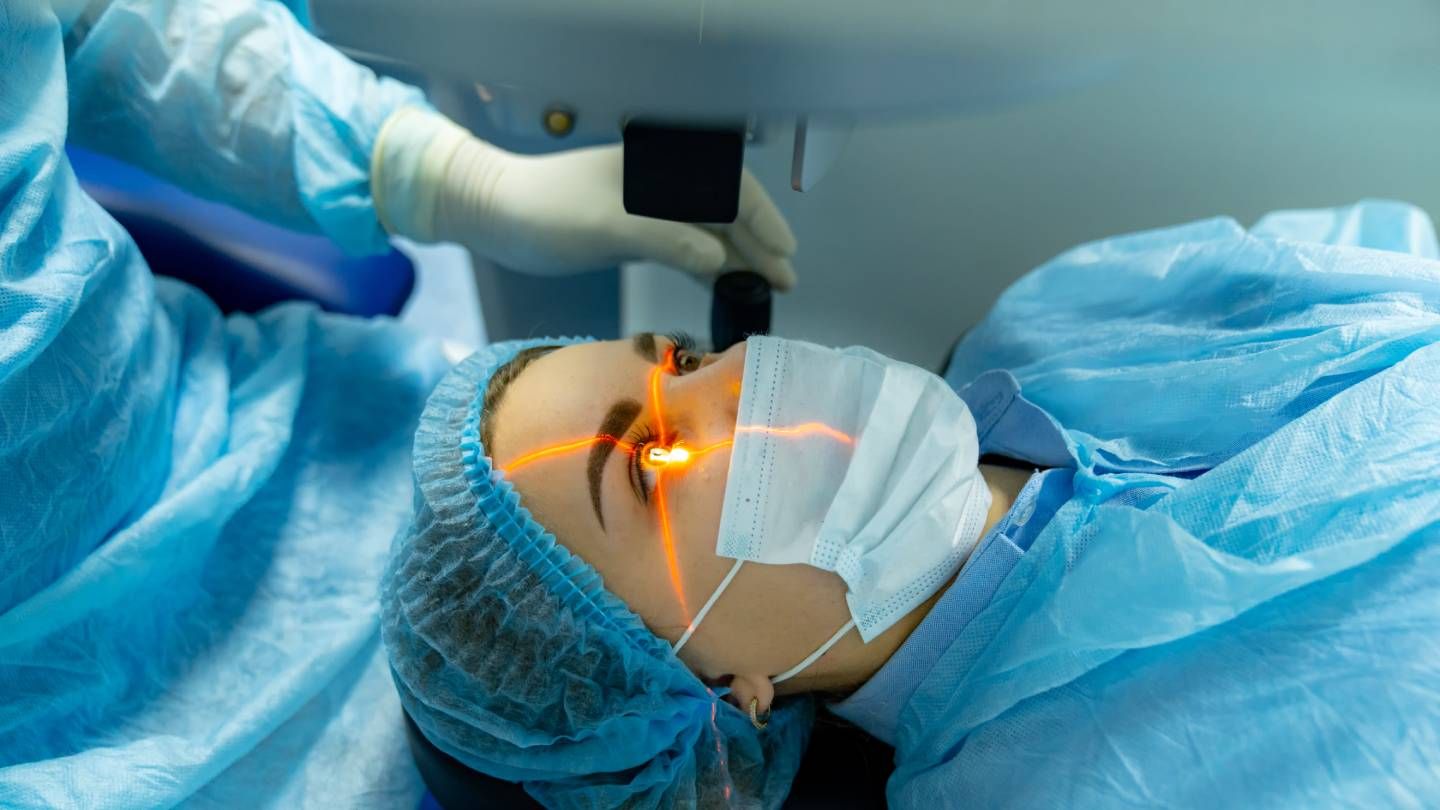
Nearsighted laser eye surgery corrects this issue by reshaping the cornea—the transparent front surface of the eye—so light focuses properly on the retina.
How the Procedure Works
Laser eye surgery uses advanced technology to precisely remove microscopic amounts of corneal tissue. This reshaping changes how light enters the eye, improving clarity.
Common Types of Procedures
LASIK (Laser-Assisted In Situ Keratomileusis)
LASIK is the most commonly performed procedure. A thin flap is created on the cornea, and a laser reshapes the underlying tissue.
PRK (Photorefractive Keratectomy)
PRK removes the outer layer of the cornea before reshaping. It’s often recommended for people with thinner corneas.
SMILE (Small Incision Lenticule Extraction)
A newer technique that uses a small incision to remove a tiny piece of corneal tissue, reshaping the eye with minimal disruption.
Each method aims to achieve the same goal: clearer distance vision with reduced dependence on corrective lenses.
Benefits of Nearsighted Laser Eye Surgery
For many individuals, the appeal of nearsighted laser eye surgery lies in the lifestyle improvements it offers.
Improved Vision Clarity
Most patients experience a dramatic improvement in distance vision. Everyday tasks like driving, watching TV, or recognizing faces become easier.
Reduced Dependence on Glasses or Contacts
One of the biggest advantages is the reduced need for corrective eyewear. Many people achieve near-perfect vision after the procedure.
Quick Recovery Time
Procedures like LASIK typically allow patients to return to normal activities within a day or two, making it convenient for busy lifestyles.
Long-Lasting Results
The results of nearsighted laser eye surgery are generally permanent. While vision can change slightly with age, the correction itself remains stable.
Enhanced Lifestyle Freedom
Activities like swimming, traveling, or playing sports become more convenient without the need for glasses or lenses.
Risks and Considerations You Should Know
While nearsighted laser eye surgery is considered safe and effective, it’s important to understand potential risks.
Temporary Side Effects
Some common short-term effects include:
- Dry eyes
- Light sensitivity
- Halos or glare around lights
These symptoms usually improve within a few weeks.
Possibility of Undercorrection or Overcorrection
In some cases, the desired vision correction may not be fully achieved, requiring additional adjustments.
Not Suitable for Everyone
Certain conditions may make someone unsuitable for the procedure, such as:
- Severe dry eye syndrome
- Thin corneas
- Unstable vision prescription
A thorough eye examination is essential before considering surgery.
Rare Complications
Although uncommon, complications like infection or vision disturbances can occur. Choosing an experienced specialist significantly reduces these risks.
Who Is an Ideal Candidate?
Not everyone with nearsightedness is automatically a good candidate for laser eye surgery. The best candidates typically meet the following criteria:
Stable Vision Prescription
Your prescription should remain unchanged for at least a year before undergoing the procedure.
Healthy Eyes
No active eye conditions, infections, or diseases should be present.
Age Considerations
Most candidates are over 18, as vision tends to stabilize after this age.
Realistic Expectations
Understanding that results can vary is important. While many achieve excellent vision, perfection is not guaranteed for everyone.
What to Expect Before, During, and After Surgery
Knowing what happens at each stage can help reduce anxiety and prepare you for a smoother experience.
Before the Procedure
- A detailed eye exam is conducted
- Measurements of your cornea are taken
- You may be advised to stop wearing contact lenses temporarily
During the Procedure
The surgery itself is quick, often completed within 15–30 minutes. Numbing eye drops are used, so discomfort is minimal.
After the Procedure
- Vision improvement is noticeable within hours or days
- Follow-up visits ensure proper healing
- Eye drops are prescribed to prevent dryness and infection
Results: What Kind of Vision Can You Expect?
Results vary depending on individual factors, but most patients achieve significantly improved vision.
Typical Outcomes
- Many people achieve 20/20 vision or close to it
- Daily activities become easier without corrective lenses
- Vision stabilizes within a few weeks
Long-Term Expectations
Nearsighted laser eye surgery provides lasting results. However, natural aging processes, such as presbyopia (difficulty focusing on close objects), may still occur later in life.
Real-World Example
Consider someone who struggled with -4.00 myopia for years. After undergoing LASIK, they may no longer need glasses for driving or daily tasks, significantly improving convenience and confidence.
Comparing Nearsighted Laser Eye Surgery to Other Options
It’s helpful to understand how this procedure compares to alternatives.
Glasses
- Simple and non-invasive
- Require constant use and maintenance
Contact Lenses
- Provide clear vision without frames
- Require daily care and can cause dryness
Laser Eye Surgery
- Long-term vision correction
- Minimal maintenance after recovery
For many, the convenience of surgery outweighs the ongoing upkeep of glasses or lenses.
Practical Tips Before Making a Decision
Making an informed choice requires careful consideration.
Do Your Research
Understand the different procedures and how they apply to your specific condition.
Ask the Right Questions
- What results can I realistically expect?
- What are the potential risks in my case?
- How experienced is the specialist?
Evaluate Your Lifestyle
If you lead an active lifestyle or dislike wearing glasses, laser eye surgery may align well with your needs.
Conclusion: Is Nearsighted Laser Eye Surgery Right for You?
Nearsighted laser eye surgery offers a powerful solution for those seeking clearer vision and greater independence from glasses or contact lenses. With advanced technology, quick recovery, and long-lasting results, it has transformed how people manage myopia.
However, it’s not a one-size-fits-all solution. Understanding the benefits, risks, and realistic outcomes is essential before making a decision. By approaching the process with the right knowledge and expectations, you can determine whether this vision correction method aligns with your personal goals.
If clearer vision and everyday convenience are priorities, nearsighted laser eye surgery may be worth serious consideration.