Whether you're dealing with a single tooth gap or multiple missing teeth, dental implants offer a natural-looking and durable alternative that restores both function and confidence.
This comprehensive guide is designed to answer exactly what people searching for dental implants want to know — how they work, their advantages, the procedure involved, and what to expect over time.
What Are Dental Implants and How Do They Work?
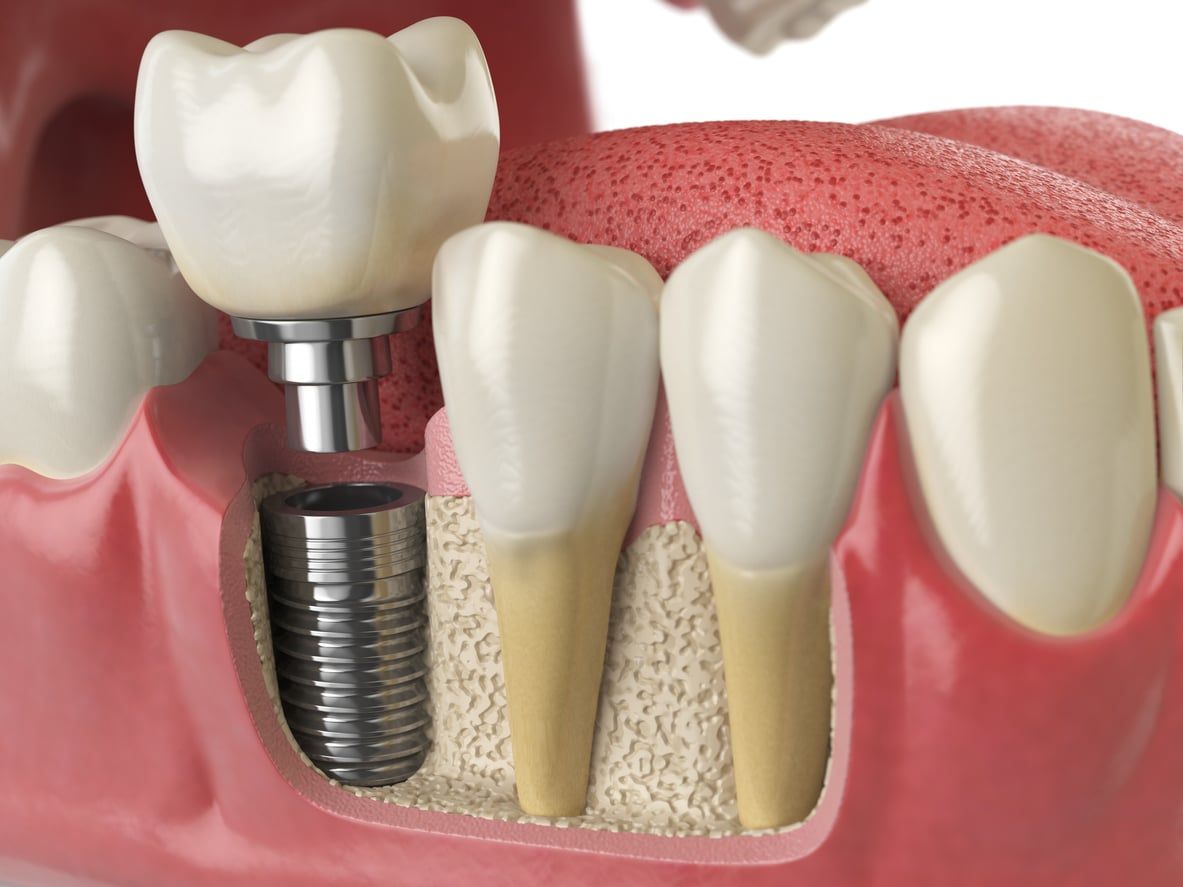
Dental implants are artificial tooth roots made of biocompatible materials, typically titanium, that are placed into the jawbone. They act as a stable foundation for replacement teeth such as crowns, bridges, or dentures.
Unlike traditional tooth replacement options, dental implants integrate directly with the bone through a process called osseointegration. This creates a strong, permanent base that mimics the function of natural teeth.
Key Components of Dental Implants
Implant Post
The implant post is surgically inserted into the jawbone and functions as the root of the artificial tooth.
Abutment
This is a connector placed on top of the implant post, linking it to the replacement tooth.
Crown
The visible part of the implant, designed to match the shape and color of your natural teeth.
Together, these components create a seamless and highly functional tooth replacement system.
Benefits of Dental Implants
Dental implants are widely recommended because they address both functional and aesthetic concerns effectively.
Natural Look and Feel
One of the most appealing aspects of dental implants is how closely they resemble real teeth. They are custom-designed to blend with your existing teeth, making them virtually indistinguishable.
Long-Term Durability
With proper care, dental implants can last for decades. Unlike temporary solutions, they provide a long-term answer to tooth loss.
Improved Oral Health
Dental implants help preserve jawbone structure by stimulating bone growth. This prevents bone loss that typically occurs after losing a tooth.
Enhanced Comfort and Stability
Since implants are fixed into the jawbone, they do not shift or move like removable dentures. This stability improves chewing, speaking, and overall comfort.
Better Confidence
Missing teeth can affect self-esteem. Dental implants restore your smile, allowing you to speak and laugh with confidence.
Who Is a Good Candidate for Dental Implants?
Not everyone is immediately eligible for dental implants, but many people can become suitable candidates with proper preparation.
Healthy Gums and Bone Structure
Adequate jawbone density is essential to support the implant. Healthy gums are also crucial for successful healing.
Non-Smokers or Controlled Habits
Smoking can interfere with healing and implant success. Individuals who manage or avoid smoking tend to have better outcomes.
Good Oral Hygiene
Maintaining proper dental hygiene habits increases the likelihood of long-term implant success.
Medical Considerations
Certain health conditions may affect healing. A thorough evaluation by a dental professional helps determine suitability.
Dental Implants Procedure: Step-by-Step
Understanding the dental implants procedure helps reduce uncertainty and prepares you for each stage.
Initial Consultation and Planning
The process begins with a detailed examination, including X-rays or 3D scans. This helps assess bone structure and determine implant placement.
Tooth Extraction (If Needed)
If a damaged tooth is still present, it may be removed before placing the implant.
Implant Placement Surgery
The implant post is surgically inserted into the jawbone. This is typically done under local anesthesia, ensuring minimal discomfort.
Healing and Osseointegration
Over the next few months, the implant fuses with the jawbone. This phase is critical for creating a stable foundation.
Abutment Placement
Once healing is complete, the abutment is attached to the implant.
Crown Placement
Finally, a custom-made crown is placed on top, completing the restoration.
Recovery and Aftercare
Recovery after dental implants varies from person to person, but most individuals experience only mild discomfort.
Immediate Aftercare Tips
- Avoid hard or chewy foods initially
- Maintain oral hygiene with gentle brushing
- Follow post-procedure instructions carefully
Healing Timeline
Initial healing takes a few days, while full integration with the bone can take several months.
Long-Term Care
Dental implants require the same care as natural teeth:
- Regular brushing and flossing
- Routine dental check-ups
- Avoiding excessive pressure or grinding
Dental Implants vs Other Tooth Replacement Options
Understanding how dental implants compare to alternatives helps in making an informed decision.
Dental Implants vs Dentures
Dentures are removable and may shift, while dental implants are fixed and stable. Implants provide better comfort and functionality.
Dental Implants vs Bridges
Traditional bridges rely on adjacent teeth for support, which can weaken them over time. Dental implants do not affect neighboring teeth.
Longevity Comparison
Dental implants typically last longer than other options, making them a preferred choice for long-term oral health.
Factors That Influence Dental Implants Cost
While discussing dental implants, many people are curious about financial considerations. Several factors influence the overall investment involved.
Number of Implants Needed
Single tooth replacements differ significantly from full-mouth restorations.
Complexity of the Procedure
Additional procedures such as bone grafting or sinus lifts can impact the overall treatment plan.
Materials Used
High-quality materials contribute to durability and aesthetics.
Expertise of the Dental Professional
Experience and advanced technology often influence outcomes and overall planning.
Risks and Considerations
Dental implants have a high success rate, but like any medical procedure, they come with certain risks.
Possible Complications
- Infection at the implant site
- Nerve damage (rare)
- Implant failure due to improper healing
How to Minimize Risks
- Choose a qualified dental professional
- Follow aftercare instructions strictly
- Maintain excellent oral hygiene
Real-Life Example: How Dental Implants Transform Smiles
Consider someone who lost a front tooth due to an accident. Initially, they struggled with speaking clearly and avoided smiling in social situations.
After undergoing the dental implants procedure, they regained full functionality and confidence. The implant blended seamlessly with their natural teeth, restoring both appearance and self-esteem.
This is a common outcome for many individuals who choose dental implants.
Frequently Asked Questions About Dental Implants
Are Dental Implants Painful?
Most patients report minimal discomfort during and after the procedure, thanks to modern techniques and anesthesia.
How Long Do Dental Implants Last?
With proper care, dental implants can last many years, often decades.
Can Dental Implants Fail?
While rare, failure can occur due to poor oral hygiene or medical conditions. Proper care significantly reduces this risk.
Do Dental Implants Require Special Maintenance?
No special products are required. Regular brushing, flossing, and dental visits are sufficient.
Final Thoughts on Dental Implants
Dental implants stand out as a highly effective solution for replacing missing teeth. They offer a combination of durability, natural appearance, and improved oral health that few alternatives can match.
If you're considering dental implants, understanding the procedure, benefits, and long-term expectations helps you make a confident and informed decision. With the right care and guidance, dental implants can transform not just your smile, but your overall quality of life.