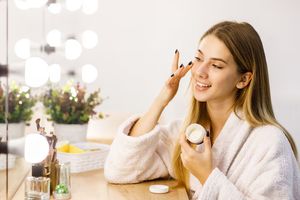
People searching for skin rejuvenation are usually looking for effective ways to reduce signs of aging, improve texture, and achieve a natural glow without unrealistic promises. This guide delivers exactly that: clear, actionable, and research-driven insights you can apply in your daily life.
Whether you’re noticing fine lines, uneven tone, or dullness, understanding how skin rejuvenation works—and how to do it correctly—can make a visible difference.
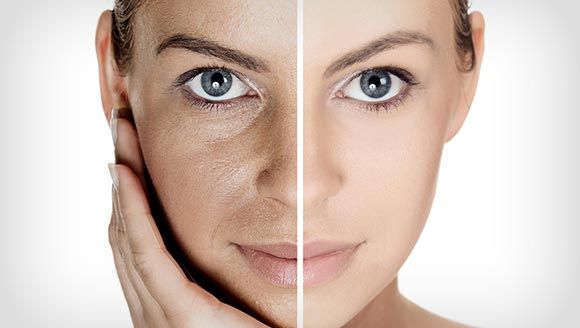
What Is Skin Rejuvenation and Why It Matters
Skin rejuvenation refers to techniques and habits that restore the skin’s natural vitality. It focuses on improving skin texture, tone, hydration, and elasticity while reducing visible aging signs like wrinkles, pigmentation, and sagging.
Unlike quick fixes, true rejuvenation works by supporting your skin’s natural renewal cycle.
How Skin Naturally Ages
Your skin constantly renews itself, but this process slows with age due to:
- Reduced collagen production
- Slower cell turnover
- Environmental damage (sun exposure, pollution)
- Lifestyle factors like stress and sleep patterns
Skin rejuvenation helps counter these effects by stimulating repair and renewal.
Benefits of Skin Rejuvenation
- Smoother skin texture
- Improved elasticity and firmness
- More even skin tone
- Reduced appearance of fine lines
- Healthier, more radiant complexion
These benefits are achievable with consistent, informed care—not shortcuts.
Daily Skin Rejuvenation Routine That Works
Consistency is the foundation of effective skin rejuvenation. A well-structured daily routine can significantly improve skin quality over time.
Cleansing: The First Step to Renewal
A gentle cleanser removes dirt, oil, and pollutants without stripping natural moisture. Clean skin allows rejuvenating ingredients to work effectively.
Tip: Use lukewarm water and avoid harsh scrubbing to prevent irritation.
Exfoliation: Supporting Cell Turnover
Exfoliation helps remove dead skin cells, revealing fresher layers underneath.
- Chemical exfoliants (AHAs, BHAs) improve texture and brightness
- Physical exfoliation should be minimal and gentle
Frequency: 2–3 times per week, depending on skin type
Hydration: The Core of Youthful Skin
Hydrated skin appears plumper and smoother. Look for ingredients like:
- Hyaluronic acid
- Glycerin
- Ceramides
These help maintain the skin barrier and prevent moisture loss.
Sun Protection: The Most Critical Step
UV exposure is one of the leading causes of premature aging. Daily sun protection is essential for any skin rejuvenation plan.
Key habit: Apply broad-spectrum protection every morning, even on cloudy days.
Advanced Skin Rejuvenation Methods
Beyond daily care, advanced approaches can accelerate results when used correctly.
Topical Ingredients That Deliver Results
Certain ingredients are well-researched for skin rejuvenation:
- Retinoids: Boost collagen and improve skin texture
- Vitamin C: Brightens skin and reduces oxidative stress
- Niacinamide: Improves tone and strengthens the skin barrier
- Peptides: Support skin repair and elasticity
These ingredients work best when introduced gradually and used consistently.
Professional Treatments Explained
Some individuals explore clinical treatments for deeper rejuvenation:
Laser Therapy
Targets deeper skin layers to improve texture and reduce pigmentation.
Chemical Peels
Remove damaged outer layers, promoting new skin growth.
Microneedling
Stimulates collagen production through controlled micro-injuries.
These approaches should always be guided by qualified professionals to ensure safety and effectiveness.
Natural Skin Rejuvenation Practices
Not all skin rejuvenation methods involve products or procedures. Lifestyle plays a powerful role.
Nutrition for Skin Health
What you eat directly impacts your skin.
- Antioxidant-rich foods (berries, leafy greens) combat damage
- Healthy fats (nuts, seeds) support skin elasticity
- Adequate protein helps collagen production
Hydration and Skin Function
Drinking enough water supports overall skin function and detoxification.
Sleep and Skin Repair
During sleep, your body repairs damaged cells. Poor sleep can lead to:
- Dull skin
- Dark circles
- Increased signs of aging
Aim for consistent, quality sleep to support rejuvenation.
Stress Management
Chronic stress affects hormone levels, which can lead to breakouts and premature aging.
Simple practices like meditation, exercise, or mindful breathing can improve both mental and skin health.
Common Skin Rejuvenation Mistakes to Avoid
Even with good intentions, certain habits can slow progress.
Over-Exfoliation
Too much exfoliation can damage the skin barrier, leading to irritation and sensitivity.
Mixing Too Many Active Ingredients
Using multiple strong ingredients together can cause redness and reduce effectiveness.
Ignoring Skin Type
Skin rejuvenation should always match your skin type:
- Oily skin benefits from lightweight formulations
- Dry skin requires richer hydration
- Sensitive skin needs gentle, minimal routines
Expecting Instant Results
Skin rejuvenation is a gradual process. Visible improvements typically take weeks to months of consistent care.
How to Build a Personalized Skin Rejuvenation Plan
There is no universal approach—your plan should reflect your skin’s unique needs.
Step 1: Identify Your Skin Concerns
Focus on specific goals:
- Fine lines
- Uneven tone
- Acne scars
- Dryness
Step 2: Choose Targeted Ingredients
Select ingredients that directly address your concerns rather than following trends.
Step 3: Start Simple and Build Gradually
Begin with a basic routine:
- Cleanser
- Moisturizer
- Sun protection
Then introduce active ingredients slowly.
Step 4: Monitor and Adjust
Observe how your skin responds and make adjustments as needed.
Skin Rejuvenation for Different Age Groups
Skin needs evolve over time, and your approach should adapt accordingly.
In Your 20s
Focus on prevention:
- Sun protection
- Hydration
- Basic antioxidant use
In Your 30s
Introduce targeted treatments:
- Retinoids
- Brightening ingredients
- Early anti-aging care
In Your 40s and Beyond
Prioritize repair and maintenance:
- Collagen-supporting ingredients
- Advanced treatments if needed
- Consistent hydration and barrier care
Long-Term Results: What to Expect
Skin rejuvenation is not about perfection—it’s about improvement and maintenance.
With consistent effort, you can expect:
- Healthier skin texture
- Gradual reduction in visible aging signs
- Improved confidence in your skin
The key is sustainability. Small, consistent actions lead to lasting results.
Conclusion: Skin Rejuvenation as a Lifelong Practice
Skin rejuvenation is most effective when approached as an ongoing commitment rather than a quick solution. By combining daily care, targeted ingredients, and healthy lifestyle habits, you create a foundation for long-term skin health.
The goal is not to chase unrealistic standards but to support your skin in functioning at its best. When you understand what your skin truly needs and respond with consistent care, youthful, healthy skin becomes a natural outcome—not a temporary result.