The paint and coating industry developed alongside construction growth, industrial expansion, and advances in chemical engineering. Early paint formulations used natural oils, minerals, and pigments, while modern paint chemical manufacturing now involves synthetic resins, advanced additives, specialty solvents, and engineered pigment systems. Today, industrial coating applications rely on controlled chemical processes and automated production systems to create coatings suited for different environmental and operational conditions.
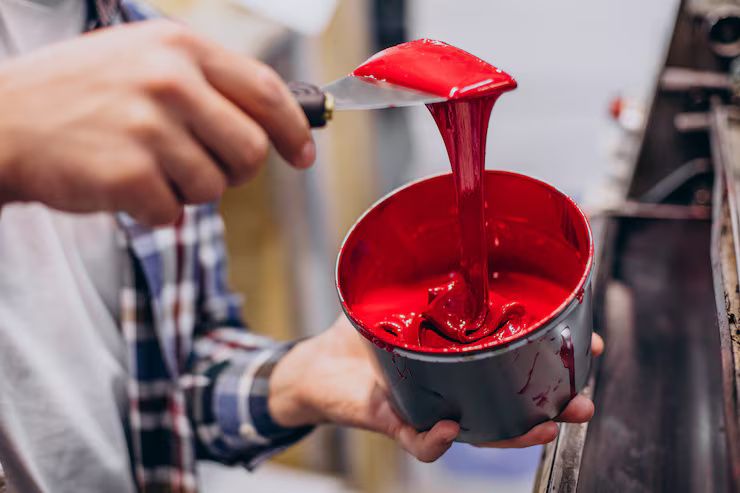
Paint chemicals are commonly used in:
- Construction and infrastructure projects
- Automotive manufacturing
- Marine and offshore industries
- Industrial machinery production
- Packaging and appliance manufacturing
- Metal fabrication systems
Modern coating formulations are designed to provide both decorative appearance and functional surface protection in demanding industrial environments.
Importance
Paint chemical manufacturing plays an important role in protecting surfaces, improving product durability, and supporting industrial finishing operations. Coating systems help extend the usable life of equipment, buildings, transportation systems, and infrastructure materials.
Surface Protection and Corrosion Resistance
Industrial coatings help protect metal, concrete, wood, and composite materials from environmental exposure such as moisture, chemicals, heat, and corrosion.
Industrial coating applications include:
| Industry | Coating Application | Purpose |
|---|---|---|
| Construction | Structural steel coatings | Corrosion protection |
| Automotive | Vehicle paint systems | Surface durability |
| Marine Industry | Ship coatings | Saltwater resistance |
| Manufacturing | Machinery coatings | Wear protection |
| Energy Sector | Pipeline coatings | Environmental resistance |
These coatings help reduce surface degradation and maintenance requirements.
Decorative and Functional Coatings
Paint chemicals are also used to create decorative finishes and specialized surface properties for industrial and commercial products.
Functional coating properties may include:
- Heat resistance
- Waterproofing
- UV protection
- Chemical resistance
- Fire-retardant performance
Different industries require coating formulations based on operational and environmental conditions.
Support for Industrial Production
Many manufacturing industries use paint chemicals during finishing and assembly processes. Coatings are commonly applied to machinery, appliances, transportation equipment, packaging materials, and consumer products.
Industrial coating systems support:
- Product identification
- Surface sealing
- Equipment preservation
- Visual finishing requirements
The coating industry remains closely connected to industrial manufacturing and infrastructure development.
Production Process
Paint chemical manufacturing involves several stages including raw material preparation, chemical blending, dispersion, quality testing, and packaging operations.
Raw Material Selection
The production process begins with selecting chemical ingredients based on coating performance requirements. Different formulations are developed depending on surface type, environmental exposure, and industrial application.
Main raw material categories include:
- Pigments
- Resins and binders
- Solvents
- Chemical additives
Each ingredient affects coating behavior, drying performance, and durability.
Mixing and Chemical Blending
Raw materials are transferred into industrial mixing systems where pigments, resins, and additives are combined into uniform mixtures.
Common processing equipment includes:
- High-speed dispersers
- Agitated mixing tanks
- Chemical reactors
- Blending vessels
Controlled mixing helps maintain coating consistency and chemical stability.
Grinding and Dispersion
Pigment particles are reduced and evenly distributed through grinding systems to improve texture and coating performance.
Grinding equipment may include:
- Ball mills
- Sand mills
- Bead mills
This stage helps improve smoothness, opacity, and color consistency.
Resin Processing
Resins are important chemical components that help coatings adhere to surfaces and form protective films after drying.
Common resin systems include:
- Acrylic resins
- Epoxy resins
- Polyurethane systems
- Alkyd resins
Different resin types are selected depending on industrial coating requirements.
Filtering and Packaging
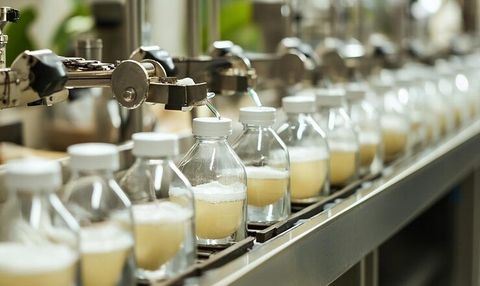
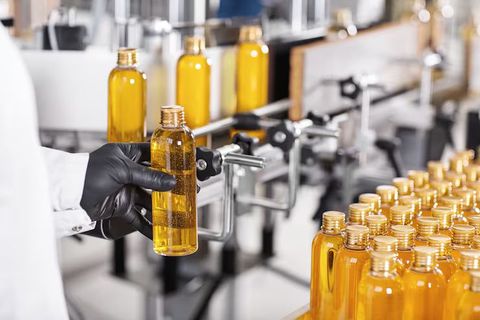
After processing, the coating mixture is filtered to remove impurities before filling and packaging operations begin.
Packaging stages may include:
- Container filling
- Sealing procedures
- Label application
- Batch identification
Quality inspections are generally performed before storage and distribution.
Raw Materials Used in Paint Chemical Manufacturing
Paint chemical manufacturing depends on several specialized ingredients that influence coating quality and industrial performance.
Pigments
Pigments provide color, opacity, and protective properties within paint systems.
Common pigment categories include:
- Organic pigments
- Inorganic pigments
- Metallic pigments
- Anti-corrosion pigments
Some pigments also improve UV resistance and weather protection.
Resins and Binders
Binders help hold pigment particles together and create the protective coating layer after drying.
Common binder systems include:
- Epoxy coatings
- Acrylic polymers
- Polyester resins
- Polyurethane binders
These materials influence flexibility, adhesion, and chemical resistance.
Solvents
Solvents maintain paint consistency and support application processes during coating operations.
Industrial coatings may use:
- Water-based systems
- Organic solvent systems
The solvent type influences drying behavior and coating performance.
Additives
Additives are used to improve specific coating characteristics and manufacturing stability.
Examples include:
- Anti-foaming agents
- Thickening agents
- Drying accelerators
- Stabilizers
- Flow control additives
These materials help improve production consistency and coating quality.
Industrial Coating Applications
Paint chemical manufacturing supports a wide range of industrial coating applications across multiple sectors.
Construction and Infrastructure
Protective coatings are used on buildings, bridges, pipelines, and structural steel systems to improve durability and weather resistance.
Applications include:
- Exterior building coatings
- Industrial flooring systems
- Bridge protection coatings
- Concrete sealants
Automotive Manufacturing
Vehicle production facilities use specialized coating systems for corrosion protection and surface finishing.
Automotive paint systems often involve:
- Primer coatings
- Base color layers
- Protective clear finishes
Marine and Offshore Systems
Marine coatings are designed to protect ships, offshore platforms, and underwater equipment from saltwater exposure and harsh environmental conditions.
Industrial Machinery and Equipment
Factories use industrial coatings on machinery, storage tanks, production equipment, and processing systems.
Industrial coatings may provide:
- Abrasion resistance
- Chemical protection
- Heat resistance
- Moisture control
Recent Updates
Between 2024 and 2026, paint chemical manufacturing continued evolving through sustainability efforts, automation systems, and advanced coating technologies.
Growth of Water-Based Coating Systems
Manufacturers increasingly use water-based paint chemicals to reduce emissions associated with solvent-based coatings.
These systems are widely used in:
- Architectural paints
- Industrial coatings
- Automotive applications
Smart Manufacturing Integration
Paint chemical production facilities increasingly use automated systems and digital monitoring technologies.
Recent developments include:
- Automated chemical dosing
- Digital color matching systems
- Production monitoring platforms
- Robotic filling equipment
Sustainable Chemical Development
Research continues focusing on environmentally managed coating technologies and recyclable packaging systems.
Development areas include:
- Low-emission coatings
- Bio-based resin materials
- Energy-efficient production systems
Advanced Protective Coatings
Industrial sectors increasingly require coatings capable of handling extreme temperatures, chemical exposure, and high-wear environments.
Laws or Policies
Paint chemical manufacturing is regulated through environmental policies, workplace safety standards, and chemical management requirements.
Environmental Regulations
Many countries regulate paint chemical production due to emissions and chemical handling concerns.
Environmental requirements may involve:
- Air quality standards
- Wastewater treatment
- Hazardous waste management
- Chemical storage controls
Industrial Safety Standards
Manufacturing facilities generally follow safety regulations related to:
- Chemical handling procedures
- Ventilation systems
- Fire prevention systems
- Protective equipment usage
Product Compliance Standards
Industrial coatings used in infrastructure, transportation, and construction may require compliance with technical performance standards.
Testing areas may include:
- Adhesion performance
- Corrosion resistance
- Fire behavior analysis
- Durability evaluation
Tools and Resources
Several technical tools and laboratory systems support paint chemical manufacturing and industrial coating development.
Color Matching and Formulation Software
Digital systems help manufacturers maintain color consistency and develop coating formulations accurately.
Laboratory Testing Equipment
Testing systems evaluate coating quality and chemical performance.
Common testing methods include:
- Viscosity analysis
- Adhesion testing
- Corrosion resistance evaluation
- Drying time measurement
Production Monitoring Systems
Digital platforms help manufacturers monitor raw material usage, mixing operations, and batch production activities.
FAQs
What is paint chemical manufacturing?
Paint chemical manufacturing is the industrial process of producing coating materials using pigments, resins, solvents, and additives for decorative and protective applications.
Which raw materials are commonly used in paint chemical manufacturing?
Common raw materials include pigments, binders, solvents, and specialty additives that influence coating performance and durability.
What are industrial coating applications?
Industrial coating applications involve using protective or decorative coatings on machinery, vehicles, buildings, pipelines, and industrial equipment.
Why are water-based coatings becoming more common?
Water-based coatings are increasingly used because they support lower emission levels and are widely applied in construction and industrial finishing systems.
Which industries use industrial paint chemicals the most?
Industries commonly using industrial paint chemicals include construction, automotive manufacturing, marine engineering, infrastructure development, and industrial machinery production.
Conclusion
Paint chemical manufacturing is an important industrial activity supporting surface protection, decorative finishing, and equipment durability across multiple sectors. The production process combines chemical blending, grinding systems, resin processing, and quality inspection procedures to create coatings for industrial and commercial applications. Advances in water-based coatings, automation technologies, and sustainable chemical systems continue influencing the coating industry. Environmental regulations and safety standards also shape how paint chemicals are produced and managed. As industrial production expands, coating technologies remain closely connected to infrastructure development and manufacturing operations.