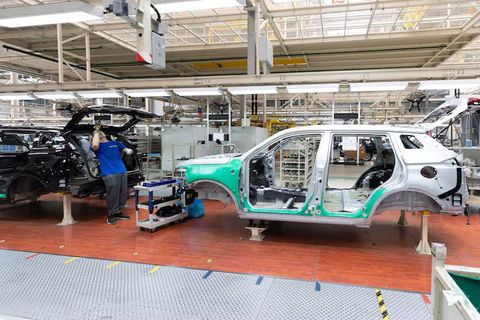
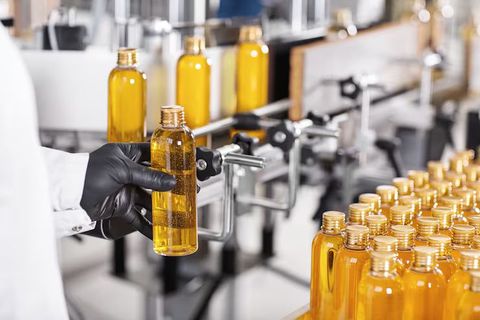
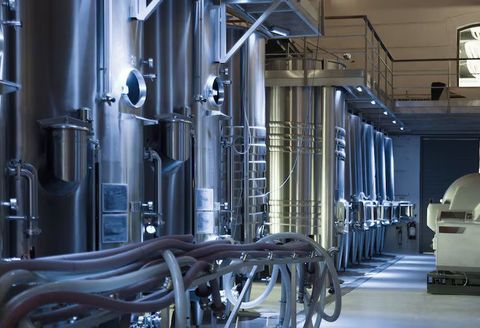
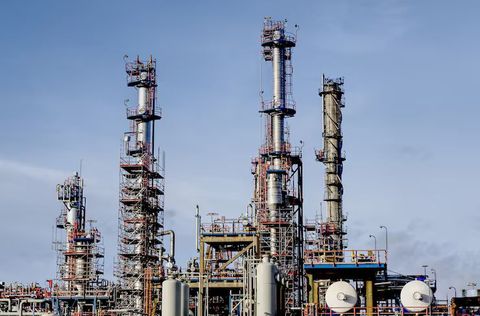
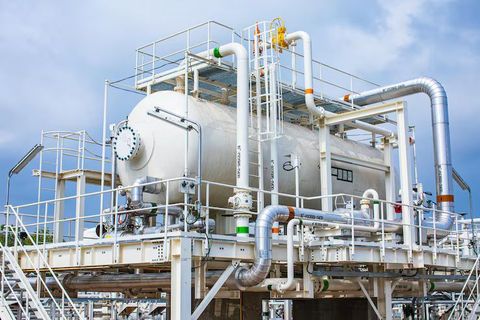
Modern polymer manufacturing developed rapidly during the 20th century as industries required lightweight, durable, and flexible materials for large-scale production. Advances in chemical engineering and industrial processing allowed manufacturers to produce polymers with different physical and chemical properties suited for specific applications. Today, polymer production supports many sectors connected to manufacturing, infrastructure, transportation, and consumer products.
Polymer materials are commonly processed into films, sheets, pipes, coatings, fibers, molded parts, insulation materials, and industrial components. Production facilities use specialized reactors, mixing systems, extrusion lines, and molding equipment to manufacture polymer-based products in different forms and grades.
Importance
The polymer manufacturing industry plays an important role in modern industrial development because polymers are used in a wide range of products and engineering systems. Their adaptability allows manufacturers to create materials with specific characteristics such as flexibility, strength, heat resistance, or chemical stability.
Support for Industrial Manufacturing
Polymers are widely used in manufacturing because they can be shaped into complex forms and processed efficiently in high production volumes.
Industries using polymer materials include:
| Industry | Polymer Application | Purpose |
|---|---|---|
| Automotive | Interior and structural parts | Weight reduction |
| Construction | Pipes and insulation | Corrosion resistance |
| Electronics | Cable insulation and housings | Electrical protection |
| Healthcare | Medical tubing and containers | Sterile material handling |
| Packaging | Plastic films and containers | Product protection |
These applications support industrial production and infrastructure development.
Lightweight and Durable Materials
Many polymer materials are lighter than metals and resistant to moisture or corrosion. This makes them useful in transportation systems, industrial equipment, and outdoor environments.
Polymers are often used where industries require:
- Flexible material properties
- Electrical insulation
- Reduced equipment weight
- Chemical resistance
- Long-term durability
Their versatility supports both industrial and commercial applications.
Role in Modern Infrastructure
Polymer manufacturing contributes to water distribution systems, communication networks, renewable energy equipment, and transportation infrastructure.
Examples include:
- Plastic piping systems
- Cable insulation materials
- Wind turbine blade composites
- Automotive fuel systems
These materials are integrated into modern engineering and construction projects worldwide.
Production Processes
Polymer manufacturing involves chemical reactions and industrial processing methods used to create raw polymer materials and finished products.
Polymerization Process
Polymerization is the primary chemical process used to create polymers from smaller molecules called monomers. During this process, monomers bond together to form long molecular chains.
Common polymerization methods include:
- Addition polymerization
- Condensation polymerization
- Emulsion polymerization
- Suspension polymerization
Different polymerization techniques are selected based on the desired material properties and industrial application.
Raw Material Preparation
Polymer production begins with preparing chemical feedstocks and additives. Manufacturers combine raw materials to achieve specific material characteristics such as flexibility, color, strength, or heat resistance.
Additives may include:
- Stabilizers
- Color pigments
- Plasticizers
- Reinforcement materials
- Flame-retardant compounds
Material preparation is carefully controlled to maintain production consistency.
Extrusion and Shaping
Extrusion is one of the most widely used polymer processing methods. Heated polymer material is pushed through a die to create continuous shapes such as pipes, sheets, or films.
Extrusion applications include:
- Plastic tubing
- Packaging films
- Industrial profiles
- Wire insulation
This process supports large-scale industrial manufacturing.
Injection Molding
Injection molding is used to produce detailed polymer components by injecting melted material into molds.
Products manufactured through injection molding include:
- Automotive parts
- Electronic housings
- Medical equipment components
- Industrial machine parts
This process supports high-volume production with consistent dimensions.
Compounding and Blending
Compounding combines polymers with additives or reinforcement materials to improve mechanical and thermal properties.
Compounded materials may include:
- Glass fiber-reinforced plastics
- Impact-resistant polymers
- Heat-resistant compounds
- Conductive polymer blends
These materials are often used in engineering applications requiring specialized performance.
Industrial Applications
Polymers are used across many industrial sectors because of their flexibility, lightweight properties, and manufacturing adaptability.
Packaging Industry
Packaging is one of the largest industrial applications for polymer materials. Plastic films, containers, and protective packaging systems are widely used in food processing, logistics, and consumer product distribution.
Common packaging materials include:
- Polyethylene films
- PET containers
- Flexible packaging laminates
- Industrial storage materials
Automotive Manufacturing
Automotive industries use polymers in dashboards, fuel systems, lighting assemblies, bumpers, and electrical components.
Polymer materials help support:
- Vehicle weight reduction
- Corrosion resistance
- Interior component design
- Electrical insulation systems
Construction and Infrastructure
Construction sectors use polymers for pipes, insulation panels, flooring systems, coatings, and waterproofing materials.
Examples include:
- PVC pipe systems
- Thermal insulation materials
- Industrial sealants
- Protective coatings
These applications support infrastructure durability and environmental resistance.
Electronics and Electrical Systems
Polymers are important in electrical insulation and electronic device manufacturing.
Applications include:
- Cable insulation
- Circuit protection materials
- Device housings
- Connector systems
Engineering polymers are commonly used because of their electrical resistance and heat stability.
Recent Updates
Between 2024 and 2026, the polymer manufacturing industry experienced developments related to sustainability, advanced materials, and automated production technologies.
Growth of Recyclable Polymer Materials
Industries are increasingly focusing on recyclable and reusable polymer systems to reduce industrial waste and improve material recovery.
Recent developments include:
- Recycled polymer compounds
- Biopolymer research
- Lightweight packaging materials
- Circular manufacturing systems
These efforts are connected to environmental management initiatives.
Advanced Engineering Polymers
Manufacturers are developing polymer materials designed for demanding industrial environments.
Research areas include:
- High-temperature polymers
- Conductive polymer materials
- Composite engineering plastics
- Chemical-resistant compounds
These materials support aerospace, electronics, and industrial automation applications.
Automation in Polymer Production
Polymer production facilities increasingly use automation systems and digital monitoring technologies.
Examples include:
- Automated mixing systems
- Smart extrusion monitoring
- Robotic packaging equipment
- Digital quality inspection systems
These technologies support operational consistency and production management.
Energy Efficiency Improvements
Manufacturing facilities are also focusing on reducing energy usage during polymer processing operations through improved heating systems and optimized machinery.
Laws or Policies
The polymer manufacturing industry is regulated through environmental laws, industrial safety requirements, and product quality standards.
Environmental Regulations
Governments increasingly regulate polymer production and waste management practices.
Policies may focus on:
- Industrial emissions control
- Plastic waste reduction
- Recycling targets
- Chemical handling procedures
Environmental compliance affects both manufacturing and packaging operations.
Product Safety Standards
Polymer materials used in healthcare, food packaging, and electrical systems often require compliance with technical safety standards.
Testing areas may include:
- Heat resistance
- Chemical compatibility
- Electrical insulation performance
- Material durability
Workplace Safety Requirements
Polymer manufacturing facilities generally follow industrial safety regulations related to:
- Chemical storage
- Ventilation systems
- Heat-processing equipment
- Machinery operation
Safety procedures help manage production-related risks.
Tools and Resources
Several technical tools and engineering resources support polymer manufacturing and material development.
Material Analysis Software
Manufacturers use software platforms to evaluate polymer properties such as strength, flexibility, thermal resistance, and chemical compatibility.
CAD and Simulation Tools
Engineers use computer-aided design systems for product development and manufacturing simulations.
Applications include:
- Mold design
- Extrusion system planning
- Structural analysis
- Product testing simulations
Laboratory Testing Equipment
Polymer testing laboratories use specialized equipment to evaluate material quality and performance.
Testing methods may include:
- Tensile strength analysis
- Thermal resistance testing
- Impact testing
- Chemical resistance evaluation
FAQs
What is the polymer manufacturing industry?
The polymer manufacturing industry produces natural and synthetic polymer materials used in packaging, construction, electronics, automotive systems, and industrial equipment.
What are common polymer production processes?
Common polymer production processes include polymerization, extrusion, injection molding, compounding, and blending operations.
Which industries use polymer materials the most?
Industries commonly using polymer materials include packaging, automotive manufacturing, healthcare, electronics, construction, and industrial machinery production.
Why are polymers important in industrial applications?
Polymers provide lightweight performance, flexibility, corrosion resistance, electrical insulation, and design adaptability for industrial environments.
How do engineering polymers support manufacturing applications?
Engineering polymers support manufacturing applications through improved durability, heat resistance, mechanical strength, and compatibility with automated production systems.
Conclusion
The polymer manufacturing industry is an important part of modern industrial production and material engineering. Polymer materials are used across industries including automotive manufacturing, packaging, construction, electronics, and healthcare because of their flexibility and adaptability. Different production processes such as polymerization, extrusion, and injection molding support large-scale manufacturing and specialized engineering applications. Recent developments in recyclable materials, automation, and advanced engineering polymers continue shaping the industry. Environmental regulations and industrial standards also influence polymer manufacturing operations and material selection worldwide.