That Terrible Trip to the Clinic in Bad Pain
My buddy Dave wrecked his lower back last autumn. He was just lifting a heavy wooden crate in his garage, heard a loud pop, and dropped straight onto the concrete floor. He couldn't even stand up straight. But because he was in so much pain, he had to get help. So his wife helped him crawl into the passenger seat of their car, and they drove through forty minutes of terrible city traffic, bouncing over every single pothole on the road. Every bump sent a sharp shock right up his spine.
When they finally pulled up to the clinic, he had to drag his feet across a giant parking lot and sit in a freezing waiting room for another forty-five minutes on a rock-hard plastic chair.
By the time the physical therapist actually saw him, Dave's back was twice as swollen as when he left his house. The physical trip to get help literally made his injury worse.
Honestly, we've all been there or known someone who has. When your knee is throbbing, your shoulder won't lift, or your neck feels completely locked up from staring at a work laptop all week, the absolute last thing you want to do is drive anywhere. It's miserable.
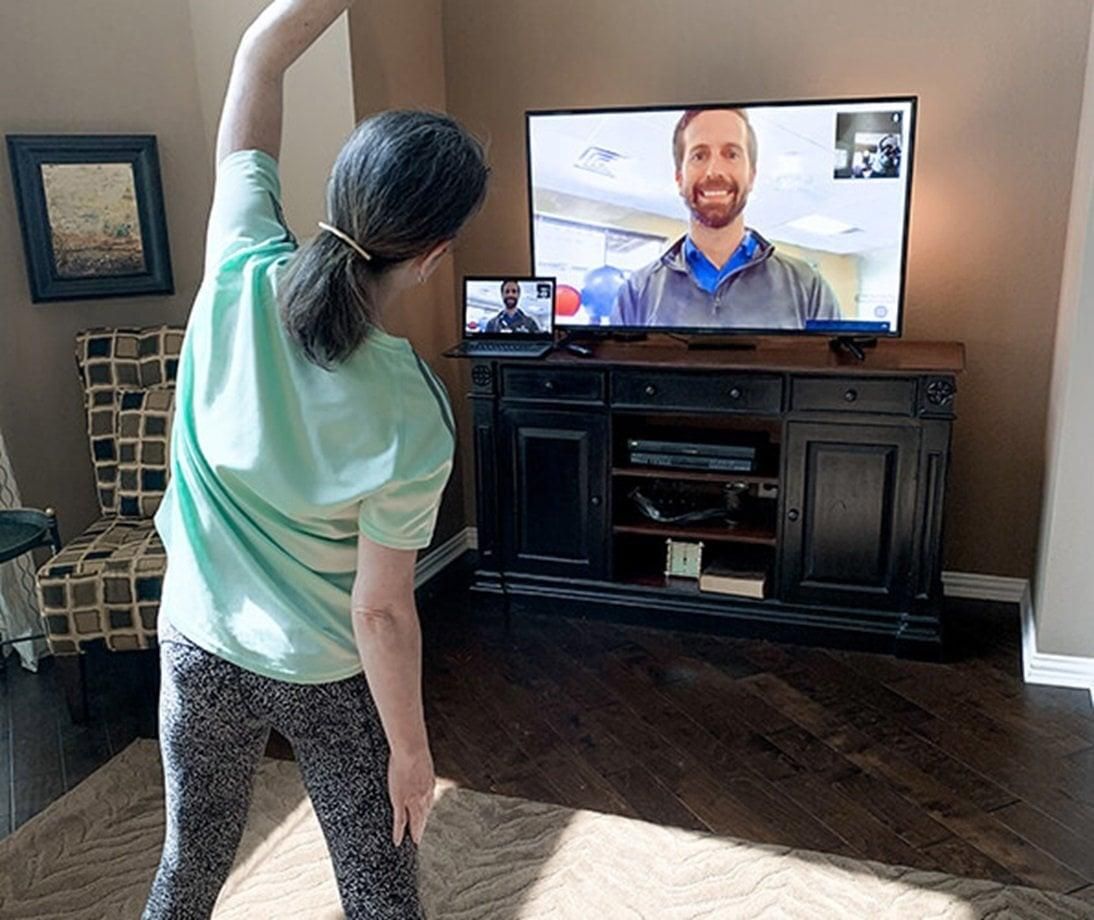
That's where remote physiotherapy assistance comes in. It's not a gimmick. It's just getting real, professional physio guidance over a video call while you stay comfortably on your own couch.
How Virtual Physio Works When Nobody Touch Your Body
People always ask me the same question: how can a physical therapist fix your joint or muscle problem if they aren't in the room rubbing your back or putting machines on your skin?
Here's the secret that most clinics won't tell you. Real physical therapy isn't about getting a quick ten-minute massage. Massage feels nice for an hour, but it doesn't fix why your joint hurts. Real healing happens when you figure out which muscles are weak, which ones are tight, and how you move your body during the day.
During a remote video session, your physio therapist talks with you first. They ask how you sleep, how long you sit, when the pain started, and what makes it hurt worse. Then they ask you to step back so the camera sees your whole body.
They'll ask you to do basic things. Twist your torso left and right. Squat down slowly toward a chair. Reach your arms over your head. Raise one leg.
A good therapist can spot a weak hip or a stiff spine in ten seconds just by watching you bend over on video. Once they figure out what's going wrong, they send HD video clips straight to your phone showing you exact rehab exercises to fix it. You don't have to guess from a blurry paper handout anymore.
What Can You Fix Online and When Should You See a Doctor in Person?
I want to be completely honest here because virtual physio isn't magic for every single injury on the planet.
It works amazingly well for stuff like nagging lower back aches, stiff neck from desk jobs, mild knee pain when climbing stairs, posture issues, twisted ankles, and getting your strength back after minor sports sprains. If you had surgery a few months ago and the incision is healed, but your shoulder is still stiff, remote physio is fantastic for getting your range of motion back.
But look, if you just fell off a ladder and think your bone might be cracked, go to an emergency room immediately. Don't book a video call for a broken arm.
If your joint is completely swollen and hot to the touch, or if you suddenly lose feeling in your legs or lose control of your bladder, that's a medical emergency. Also, if you just had major joint surgery yesterday and need hands-on wound care or joint popping, you need to be in a physical clinic. A honest virtual therapist will tell you right away if you need to see a doctor in person first.
Setting Up Your Living Room Without Buying Crazy Gear
You don't need to turn your spare bedroom into a high-end gym. You really don't.
Find a quiet spot in your home where you have enough floor space to lay down on a rug or stretch out your arms. Good lighting helps a lot so your therapist can see your posture on camera. Set your phone, tablet, or laptop on a stable table about six or seven feet away from you. That way, whether you're standing up or lying on the carpet, the therapist gets a full view.
For exercise gear, keep it dead simple.
A cheap pair of elastic resistance bands costs next to nothing and works wonders for shoulder and leg strength. A rolled-up bath towel works great for neck stretches. A basic kitchen chair gives you balance when doing single-leg drills. If you need light weights, grab a couple of full water bottles or heavy books from your shelf.
That's literally all you need to start getting better.
Why 15 Minutes Daily Beats a Monthly Clinic Visit Every Single Time
Here's why most people fail to recover at traditional clinics: they go once every two or three weeks, get fifteen minutes of heat therapy, do a few exercises, and then do absolutely nothing at home for the next fourteen days.
Your body doesn't heal from what happens once a month in a clinic. It heals from what you do every single day in your living room.
Doing fifteen minutes of targeted, guided stretching and strengthening exercises twice a day builds real muscle memory. It keeps blood flowing into stiff joints and keeps your recovery moving forward every single day.
And because your therapist sees your actual home on video, they can spot real-world problems. They'll notice that your office chair is way too low, or that you hunch your shoulders while typing, or that you pick up your laundry basket with a bent spine. Fixing those daily bad habits stops the pain from coming back forever.
Finding a Good Online Therapist and Getting Your Life Back
Not all online physio services are equal, so choose wisely.
Stay away from services that just send you pre-recorded generic video playlists without talking to you. You want a real, licensed therapist who sits down with you 1-on-1 on a live video call. You want someone who listens to you, answers your questions, and modifies an exercise if it feels sharp or uncomfortable.
When you're in pain, it's easy to get scared of moving. You worry that bending over will ruin your back forever, so you freeze up. But staying still actually makes joints stiffer and muscles weaker over time.
A great remote therapist helps you lose that fear. They guide you step by step, celebrate your small wins, and show you that your body is tough and capable of healing. You don't need to spend hours in traffic or sit in cold clinic waiting rooms to get your life back. You can heal right where you feel safest—in your own home.