I remember sitting down on a Sunday afternoon a couple of years ago, completely determined to change my life overnight. I bought a brand-new leather journal, downloaded four different habit tracking apps on my phone, and wrote down a massive list of daily goals: drink three liters of water, wake up at 5:30 AM, meditate for twenty minutes, walk ten thousand steps, read thirty pages of a book, and cut out all sugar.
For about five days, I felt like an absolute champion. I checked off every single box on my phone screen and felt completely in control of my routine.
By day ten, life got in the way. A late-night work deadline made me oversleep, I missed my morning walk, felt guilty, skipped tracking for the rest of the week, and abandoned every single app. My fancy leather journal sat completely untouched on a dusty bookshelf.
My story isn't unique. Millions of people go through this exact same cycle every single year. We get excited, try to overhaul our entire existence in twenty-four hours, get overwhelmed by massive checklists, and quit the moment life gets busy.
That is where modern wellness habit tracking services come in. Instead of forcing you to transform into a completely different person overnight, effective habit tracking helps you focus on small, consistent daily actions that build real, lasting health over time.
How Habit Tracking Services Actually Work
If you have ever tried tracking your daily habits before and failed, it wasn't a lack of willpower. The problem was the approach.
Effective wellness habit tracking services don't bombard you with twenty complex goals on day one. They work by helping you identify one or two small, foundational health habits that naturally make the rest of your day better.
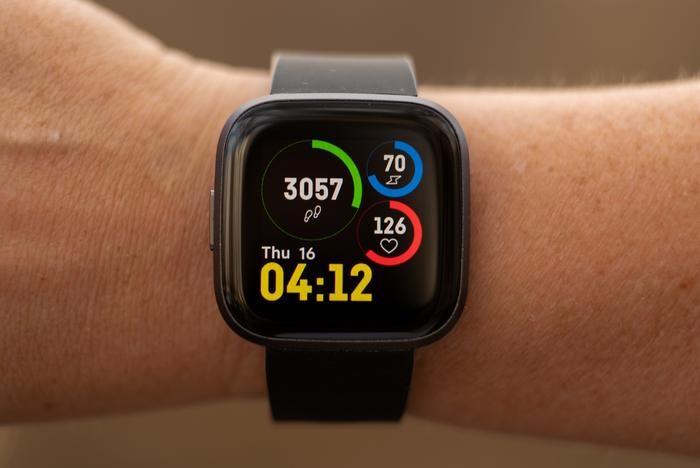
Modern habit tracking tools—ranging from mobile apps and wearable fitness bands to working with a personal wellness coach—provide visual proof of your progress. Seeing a visual record of your daily efforts creates a powerful psychological feedback loop. When you see that you have logged eight hours of sleep or drank enough water four days in a row, your brain receives a small boost of satisfaction that encourages you to keep going.
The real goal of tracking isn't to accumulate perfect scores on a screen. The goal is to build an automatic routine so deeply ingrained into your day that you no longer need an app to remind you to do it.
What You Should Track and What You Should Ignore
One of the easiest ways to ruin your wellness journey is trying to track every single detail of your life. Tracking every calorie, every glass of water, every minute of screen time, and every heart rate fluctuation quickly turns daily living into an exhausting data entry job.
Focus on tracking a few core wellness metrics that deliver the biggest impact on how you feel every day.
Sleep duration and sleep quality should always be at the top of your list. When you track your sleep alongside your energy levels, you quickly notice how getting seven to eight hours of restful sleep improves your mood, reduces junk food cravings, and lowers daily stress.
Daily physical movement is another critical habit to track. Whether you aim for a step count, thirty minutes of brisk walking, or basic morning stretching, tracking your movement keeps you accountable on busy desk-bound workdays.
Hydration and stress levels are equally important. Logging simple habits like drinking a glass of water when you wake up or taking five deep breaths during a stressful workday keeps your body balanced without causing data fatigue.
The Science of Small Habits and Habit Stacking
The biggest secret to successful habit tracking is starting so small that it feels almost silly.
If your goal is to start walking ten thousand steps a day, don't start by forcing yourself onto a treadmill for an hour. Start by tracking a simple two-minute habit—like putting on your walking shoes and walking to the end of your street after dinner. Once that two-minute action becomes automatic, expanding it into a twenty-minute walk is completely effortless.
Another powerful technique used by wellness coaches is called habit stacking. This means taking a brand-new healthy habit and anchoring it directly onto an existing habit you already do every single day without thinking.
For example, if you already make a cup of tea every morning, stack a new wellness habit right on top of it: drink a full glass of water while your tea is brewing. If you already brush your teeth every night before bed, stack a two-minute stretching routine right after you put your toothbrush away. By attaching new habits to established daily triggers, building healthy routines becomes natural and smooth.
How to Deal with Broken Streaks Without Quitting
The biggest trap in habit tracking apps is the concept of the perfect streak. Apps love to celebrate when you log a habit for ten, twenty, or thirty days in a row. But the moment you miss a single day due to a family emergency, travel, or illness, the app resets your streak to zero.
For many people, seeing that zero creates a wave of guilt and frustration. They feel like they failed, lose all motivation, and stop tracking altogether.
To build long-term wellness, you have to adopt the two-day rule. The two-day rule is simple: never miss a habit two days in a row.
Missing one day is an accident; it happens to everyone because life is unpredictable. But missing two days in a row is the start of a brand-new bad habit. If you miss your daily walk or forget to drink enough water on Tuesday, make sure your only focus on Wednesday is getting back on track. Perfection is not required for good health—consistency is.
Choosing the Right Habit Tracking Method for You
There is no single best way to track your wellness habits. The best method is simply the one you enjoy using every day.
If you love technology and data, smartphone apps and smartwatches are fantastic. They log your step counts, sleep stages, and heart rate automatically, requiring very little manual input from you.
If you spend all day staring at computer screens for work, a simple paper habit tracker or a physical notebook might feel much more relaxing. Writing down your daily habits with a pen provides a tactile, mindful break from digital screens.
If you need extra motivation and guidance, working with a personal wellness coach or joining a community habit group adds human connection and accountability that no app can match.
Building a healthy life isn't about running a perfect marathon. It is about making small, smart choices every single day that keep you feeling strong, energetic, and completely in control of your well-being for years to come.