The Endless Cycle of Catching Every Winter Virus
A couple of winters ago, I caught a nasty respiratory virus that knocked me flat on my back for a full week. I had a burning fever, a dry cough that felt like sandpaper in my throat, and a level of physical exhaustion where just walking from my bed to the kitchen felt like climbing a mountain. I swallowed fever reducers, drank hot herbal tea, stayed in bed for seven days, and eventually dragged myself back to work.
Just as I finally started feeling human again three weeks later, another bug hit me out of nowhere. A different virus, but the exact same story: sore throat, extreme brain fog, and total helplessness. I spent almost two full months coughing, buying over-the-counter flu meds, and feeling like my body was completely defenseless against every microscopic bug in the city.
I remember sitting in my doctor's office, frustrated, exhausted, and frankly a little angry. I looked at her and asked: "Why do I keep catching every single bug that floats through my open-plan office while my coworkers sit right next to me and don't even sneeze once?"
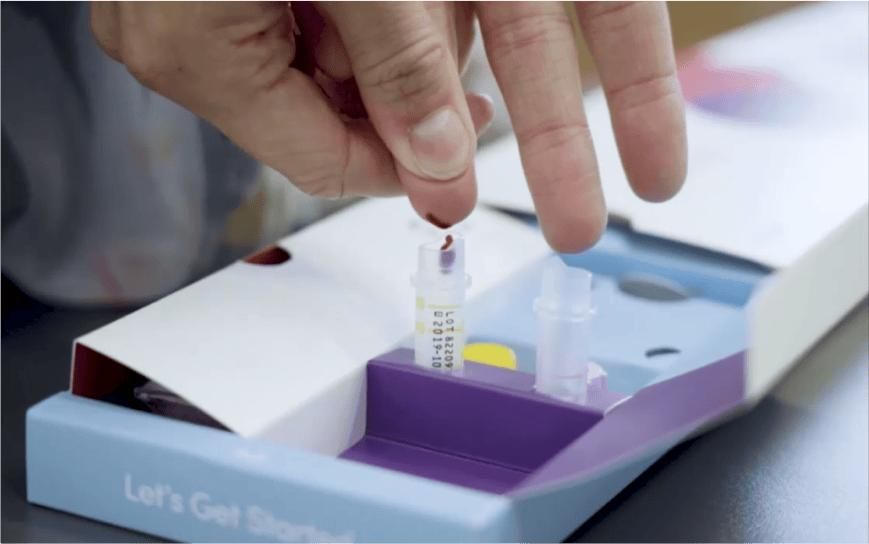
My doctor didn't just write me another quick prescription for antibiotics or cough syrup to mask the symptoms. Instead, she sat back, looked at my medical history, and ordered a comprehensive preventive immunity evaluation—a detailed panel of specialized blood tests designed to evaluate my body's internal defense reserves.
When the test results came back a few days later, it was a massive eye-opener. My Vitamin D3 levels were shockingly low, my ferritin (stored iron) was near zero, and my lymphocyte count showed that my white blood cell reserves were completely depleted. I wasn't just unlucky or catching random bad luck; my immune system was trying to fight off active viruses with zero fuel in the tank.
That single experience completely transformed how I think about my health. We don't have to sit around waiting until we are shivering under three blankets with a fever to care about our immune system. A preventive immunity evaluation gives you a clear, scientific roadmap to spot and fix hidden weak points before you fall sick.
Why Waiting to Get Sick Is a Flawed Strategy
Most people only give their immune system a single thought when they feel a sudden scratchy throat, a runny nose, or a cold chill. The moment symptoms hit, they panic, rush to the pharmacy, buy a bottle of Vitamin C tablets, drink hot soup, and hope for a quick miracle.
While taking care of yourself when you get sick is obviously necessary, relying entirely on reactive care is like buying a fire extinguisher after your kitchen cabinets have already caught fire. The damage is already done.
When a virus or bacteria enters your bloodstream, your immune system needs immediate, high-energy resources to mount a counter-attack. If your internal nutrient reserves are depleted, your immune response becomes slow, sluggish, and weak. This gives pathogens time to multiply, turning a mild one-day sniffle into a severe three-week illness.
Reactive care only addresses the immediate symptom, not the underlying weakness. By shifting from a reactive mindset to a preventive strategy, you fortify your cellular defenses so your body neutralizes threats quietly before you ever develop symptoms.
What Exactly Is a Preventive Immunity Evaluation?
A preventive immunity evaluation is a proactive diagnostic blood panel that looks deep inside your bloodstream to measure how prepared your body actually is to defend itself against future pathogens.
Instead of guessing whether your immune system is strong based on how energetic you feel on a good morning, an evaluation provides hard, objective data about your immune cells, nutrient reserves, organ function, and internal inflammation levels.
It acts like a high-tech early-warning radar system. By evaluating key biomarkers before any physical symptoms appear, you can catch nutrient crashes, chronic low-grade inflammation, and cellular fatigue long before a seasonal flu or bacterial infection takes hold of your body.
A standard evaluation looks at multiple interconnected body systems—including your blood cell counts, metabolic health, vitamin and mineral reserves, liver and kidney function, and inflammatory proteins. It provides a complete 360-degree picture of your physiological resilience.
Decoding Your Defense Cells: White Blood Count and Antibodies
You don't need a medical degree to understand what a comprehensive immunity evaluation measures. It breaks down into a few core categories that play massive roles in your daily defense.
First are your white blood cells, measured through a detailed Complete Blood Count. White blood cells are the front-line infantry soldiers of your immune system. Neutrophils rush in to destroy bacterial invaders, while lymphocytes target and memorize viral threats. Monocytes clean up cellular debris after an infection has been fought off.
If your lymphocyte count is chronically low, your body takes twice as long to clear out seasonal viruses. If certain white cells are unexpectedly high, it tells your doctor that your body is quietly battling a hidden, low-grade infection somewhere inside you without your knowledge.
In addition to white cell counts, advanced evaluations look at immunoglobulins—specialized proteins produced by your immune system that recognize and neutralize specific viruses and bacteria. Knowing your baseline antibody levels helps identify whether your immune memory is functioning properly or if your cellular armor needs reinforcement.
The Micronutrient Foundation: Vitamin D3, B12, Iron, and Zinc
Your immune cells are only as effective as the raw micronutrients available to build and power them.
First and foremost is Vitamin D3. Vitamin D is not just a nutrient for strong bones; it acts as a crucial chemical key that unlocks your immune cells so they can actively recognize and destroy invading bacteria and viruses. Millions of modern desk workers who stay indoors under artificial light all day are severely deficient in Vitamin D without realizing it, leaving their immune system completely disarmed.
Vitamin B12 is equally critical. It is essential for manufacturing red blood cells and maintaining nerve health. When B12 drops, your cellular energy crashes, leaving you feeling chronically fatigued even if you get eight hours of sleep.
Zinc is another non-negotiable mineral. It acts as a growth catalyst for new white blood cells and helps maintain the physical integrity of your mucous membranes in your nose and throat—the primary entry point for airborne viruses.
Finally, stored iron (measured as serum ferritin) is vital because iron carries life-giving oxygen to every organ and tissue. When ferritin is low, your cells suffer from oxygen starvation, making immune defense sluggish and slow.
Chronic Internal Inflammation: The Silent Enemy Draining Your Reserves
Another critical aspect of preventive immunity testing is checking for chronic internal inflammation through markers like high-sensitivity C-Reactive Protein (hs-CRP) and Erythrocyte Sedimentation Rate (ESR).
Inflammation is a natural, healthy response when your body is repairing a twisted ankle or healing a cut. But when inflammation becomes chronic—caused by poor diet, constant work stress, lack of sleep, or hidden food sensitivities—it acts like a persistent false alarm that drains your body's energy reserves day and night.
When your immune system is constantly distracted fighting background internal inflammation, it has far fewer resources left to defend you when a real cold or flu virus enters your respiratory system.
Lowering chronic internal inflammation frees up your body's white blood cells, allowing them to focus 100% of their energy on protecting you from external infections.
The Gut-Immunity Axis: Why 70% of Your Shield Lives in Your Digestive Tract
Here is a medical fact that catches almost everyone by surprise: nearly seventy percent of your entire immune system is located directly inside your digestive tract.
The lining of your intestines is home to trillions of beneficial bacteria, collectively known as your gut microbiome. These friendly microbes form a thick physical barrier against harmful pathogens and constantly communicate with your immune cells, training them to distinguish between harmless food particles and dangerous invaders.
If you regularly suffer from chronic bloating, indigestion, acid reflux, or irregular bowel habits, your gut barrier may be compromised. A damaged gut lining allows microscopic toxins and undigested food particles to leak into your bloodstream—a condition known as gut permeability or leaky gut—triggering systemic inflammation and exhausting your immune defenses.
Comprehensive preventive immunity evaluations often include gut health markers, helping you understand how your daily eating habits and digestive health are directly shaping your body's ability to resist sickness.
Sleep, Cortisol, and Lifestyle Factors That Shape Your Immunity
Diagnostics are essential, but lifestyle is where immune strength is actually built.
Sleep is the single most powerful immune booster in human biology. During deep sleep, your brain releases cytokines—specialized proteins that target inflammation and infection. Skimping on sleep cuts your natural killer cell activity by up to seventy percent in a single night.
Stress is another silent immune killer. When you are chronically stressed, your adrenal glands flood your bloodstream with cortisol. In short bursts, cortisol is helpful. But chronic high cortisol suppresses white blood cell production, making you vulnerable to every bug going around.
Managing daily stress through deep breathing, regular outdoor movement, and prioritizing sleep hygiene works hand in hand with your nutritional intake to create an unbeatable physical defense system.
Turning Diagnostic Data into a Personalized Lifetime Protection Plan
Getting a preventive immunity evaluation isn't about staring at intimidating lab numbers or worrying over medical jargon. It is about empowering yourself with exact, actionable knowledge about your own body.
Once your results highlight your specific weak spots—whether it's an undetected Vitamin D deficiency, poor zinc absorption, or elevated inflammatory markers—you and your healthcare provider can build a targeted, intelligent recovery plan. Instead of wasting money on trendy, expensive supplements that your body doesn't actually need, you can take exact, therapeutic doses of the specific nutrients your immune system is starving for.
Pairing targeted nutritional support with simple daily habits—like getting seven to eight hours of restful sleep, eating whole nutrient-dense foods, getting daily sunlight, and keeping stress under control—can transform your immune resilience in just a few short weeks.
True health isn't about living in fear or trying to avoid every virus on Earth—that is impossible. True health is about building a strong, well-fueled, resilient body that handles everyday bugs effortlessly so you can live your life with energy, vitality, and peace of mind.