Today, modern machines make it easier to cut, shape, and finish different types of stone with accuracy and consistency. Whether used in construction projects or interior design, these machines help achieve clean results while saving time and effort.
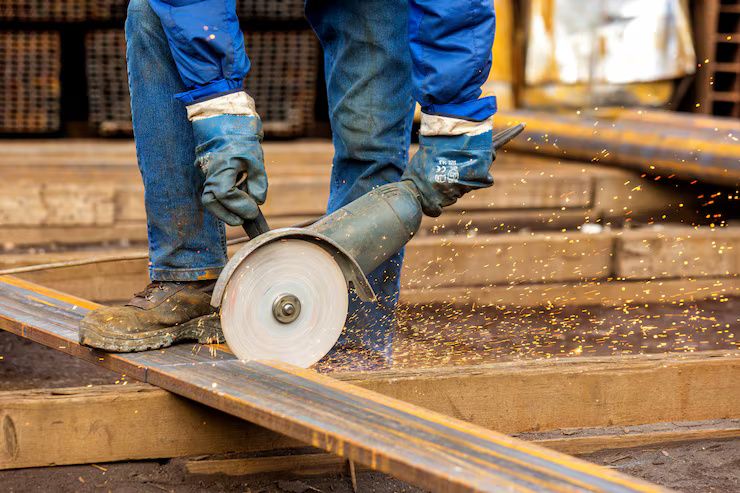
In this guide, you will learn about the different types of stone cutting machines, their applications, and the techniques that ensure precise cutting.
What Is a Stone Cutting Machine?
A stone cutting machine is a tool designed to cut hard materials like granite, marble, sandstone, and concrete into specific shapes and sizes. These machines use powerful blades, often embedded with industrial diamond segments, to handle tough surfaces.
They are widely used in industries such as construction, architecture, and stone fabrication.
How Stone Cutting Machines Work
Most machines operate using rotating blades or wires that apply controlled pressure on the stone surface.
- Diamond blades grind through the stone instead of slicing it
- Water cooling systems reduce heat and dust
- Motor-driven systems ensure consistent cutting speed
- Adjustable settings allow different cutting depths and angles
For example, when cutting a granite slab for a kitchen countertop, the machine ensures smooth edges and accurate dimensions.
Types of Stone Cutting Machines
Different projects require different types of machines. Each type is designed for specific cutting needs.
Bridge Cutting Machine
Bridge cutting machines are commonly used for large stone slabs. They feature a horizontal bridge structure that supports the cutting head.
- Ideal for granite and marble slabs
- Provides high precision and stability
- Suitable for straight and angled cuts
These machines are often used in stone fabrication units where accuracy is critical.
CNC Stone Cutting Machine
CNC (Computer Numerical Control) machines use programmed instructions to perform automated cutting.
- High precision and repeatability
- Suitable for complex designs and patterns
- Reduces manual effort
For example, detailed carvings on marble panels are often created using CNC machines.
Water Jet Cutting Machine
Water jet machines use high-pressure water mixed with abrasive materials to cut stone.
- Produces smooth edges without heat damage
- Ideal for intricate shapes
- Suitable for delicate materials
This method is often used in decorative stone work and custom designs.
Tile Cutting Machine
Tile cutting machines are designed for smaller stone pieces like ceramic or marble tiles.
- Compact and easy to use
- Suitable for straight cuts
- Commonly used in flooring projects
Wire Saw Machine
Wire saw machines use a continuous wire embedded with diamond beads.
- Suitable for cutting large stone blocks
- Used in quarrying and heavy-duty applications
- Provides efficient cutting for thick materials
Applications of Stone Cutting Machines
Stone cutting machines are used across multiple industries. Their versatility makes them essential for both small and large projects.
Construction Industry
In construction, stone cutting machines help shape materials for structural and decorative purposes.
- Cutting blocks for buildings
- Shaping slabs for walls and flooring
- Preparing materials for landscaping
Interior Design
Interior designers rely on precise stone cutting for aesthetic finishes.
- Marble countertops
- Decorative wall panels
- Custom flooring patterns
For instance, a polished marble floor with precise edges enhances the overall look of a space.
Monument and Sculpture Work
Artists and craftsmen use advanced machines to create detailed sculptures and monuments.
- Fine detailing in stone carvings
- Custom shapes for artistic projects
- Smooth finishing for visual appeal
Infrastructure Projects
Large-scale projects like roads and bridges require stone cutting for various components.
- Cutting concrete blocks
- Preparing materials for pavements
- Shaping stones for structural use
Precision Cutting Techniques
Achieving accurate results requires more than just a machine. The right techniques play a crucial role.
Choosing the Right Blade
Different stones require different types of blades.
- Diamond blades for hard stones like granite
- Continuous rim blades for smooth finishes
- Segmented blades for faster cutting
Using the correct blade improves both efficiency and accuracy.
Maintaining Proper Speed
Cutting speed affects the quality of the finish.
- Too fast can cause rough edges
- Too slow may reduce efficiency
- Balanced speed ensures clean cuts
Using Water Cooling Systems
Water plays an important role in stone cutting.
- Reduces heat generated during cutting
- Minimizes dust
- Extends blade life
Marking and Measurement
Accurate marking is essential before cutting.
- Use measuring tools for precise dimensions
- Double-check alignment before starting
- Ensure stable positioning of the stone
Practicing Controlled Pressure
Applying consistent pressure helps avoid damage.
- Prevents cracks or chipping
- Ensures smooth edges
- Improves overall finish
Advantages of Using Modern Stone Cutting Machines
Modern machines have transformed the way stone is processed.
High Precision
Advanced technology ensures accurate cuts with minimal errors.
Time Efficiency
Automated systems complete tasks faster compared to manual methods.
Versatility
Machines can handle different types of stone and cutting styles.
Reduced Material Waste
Precise cutting minimizes unnecessary loss of material.
Challenges in Stone Cutting
Despite their benefits, stone cutting machines come with certain challenges.
Dust and Debris
Cutting stone generates dust, which can affect visibility and health.
Equipment Maintenance
Regular maintenance is necessary to keep machines running smoothly.
Skill Requirement
Operating advanced machines requires proper knowledge and training.
Material Variations
Different stones have different hardness levels, which can impact cutting performance.
Safety Tips for Stone Cutting
Safety is an important aspect of working with stone cutting machines.
Essential Safety Practices
- Wear protective gear like gloves and safety glasses
- Ensure proper ventilation in the workspace
- Keep hands away from moving blades
- Check machine condition before use
Following these precautions helps prevent accidents and ensures smooth operation.
How to Choose the Right Stone Cutting Machine
Selecting the right machine depends on your specific needs.
Factors to Consider
- Type of stone you work with
- Size and scale of projects
- Level of precision required
- Available workspace
For example, a small workshop working with tiles may prefer a compact tile cutting machine, while large-scale operations may require CNC or bridge cutting machines.
Future Trends in Stone Cutting Technology
Technology continues to improve the efficiency and accuracy of stone cutting machines.
Emerging Trends
- Increased use of automation and smart controls
- Integration of AI-based design systems
- Improved energy efficiency
- Advanced dust control systems
These innovations are making stone cutting more precise and environmentally friendly.
Conclusion
Stone cutting machines play a vital role in modern construction and design. They make it possible to shape hard materials with precision and consistency. From simple tile cutting to complex CNC designs, these machines support a wide range of applications.
Understanding the different types of machines and the techniques involved can help you achieve better results in any project. With the right approach, stone cutting becomes not only efficient but also highly accurate.
As technology continues to evolve, stone cutting machines will become even more advanced, helping professionals and craftsmen create high-quality work with ease.