He was furious. If his roof was generating peak solar electricity, why was his house sitting in pitch darkness?
Salesmen rarely bring this up. Your panels are working perfectly, the sun is blazing, but your fan won’t turn on. A standard on-grid system is legally required to shut down the second the city grid drops to protect repairmen from getting shocked.
Going completely off-grid is a terrible financial decision unless you live on a remote farm. You end up spending a fortune replacing lead-acid battery banks every few years just to handle a few rainy days.
A hybrid setup actually keeps the lights on when the street goes dark. But does spending that extra money make any financial sense? Here is how the math actually plays out on the ground.
1. What a Hybrid Inverter Actually Does
A standard inverter is dumb—it just turns solar power into house power.
A hybrid inverter is essentially a traffic controller. It juggles power between your roof, your battery, and the street. During the day, it runs your heavy loads first, charges the battery, and pushes whatever is left back to the grid. As the evening sets in, it pulls stored energy from the battery so you aren't paying peak utility rates.
The real magic happens when the grid drops. The inverter isolates your house from the street in under 20 milliseconds. It instantly routes battery power to your critical circuits, so your desktop won’t even reboot.
Hardware note: Don't let your installer sneak an outdated PWM charge controller into the quote. Demand an MPPT. The old PWM technology literally throws away 30% of your solar energy as heat.
2. Don't Buy Lead-Acid Batteries
Vendors will always try to sell you heavy lead-acid batteries first. Why? Because it artificially lowers the total project price so you sign the contract. Walk away.
Sure, lead-acid batteries cost half as much on day one. But ask anyone who has hauled heavy jars of distilled water to their rooftop in the middle of July to top up battery cells. That initial savings vanishes the second you realize you have to replace the entire bank every 30 months.
Plus, you can't even use all the power you bought. If you drain a lead-acid battery past 50%, the internal plates warp and the battery dies. Lithium packs let you drain them down to 10% and will easily survive for over a decade without a single maintenance check. Lithium is a genuine fit-and-forget solution.
3. The Real Math for a 3 kW Setup
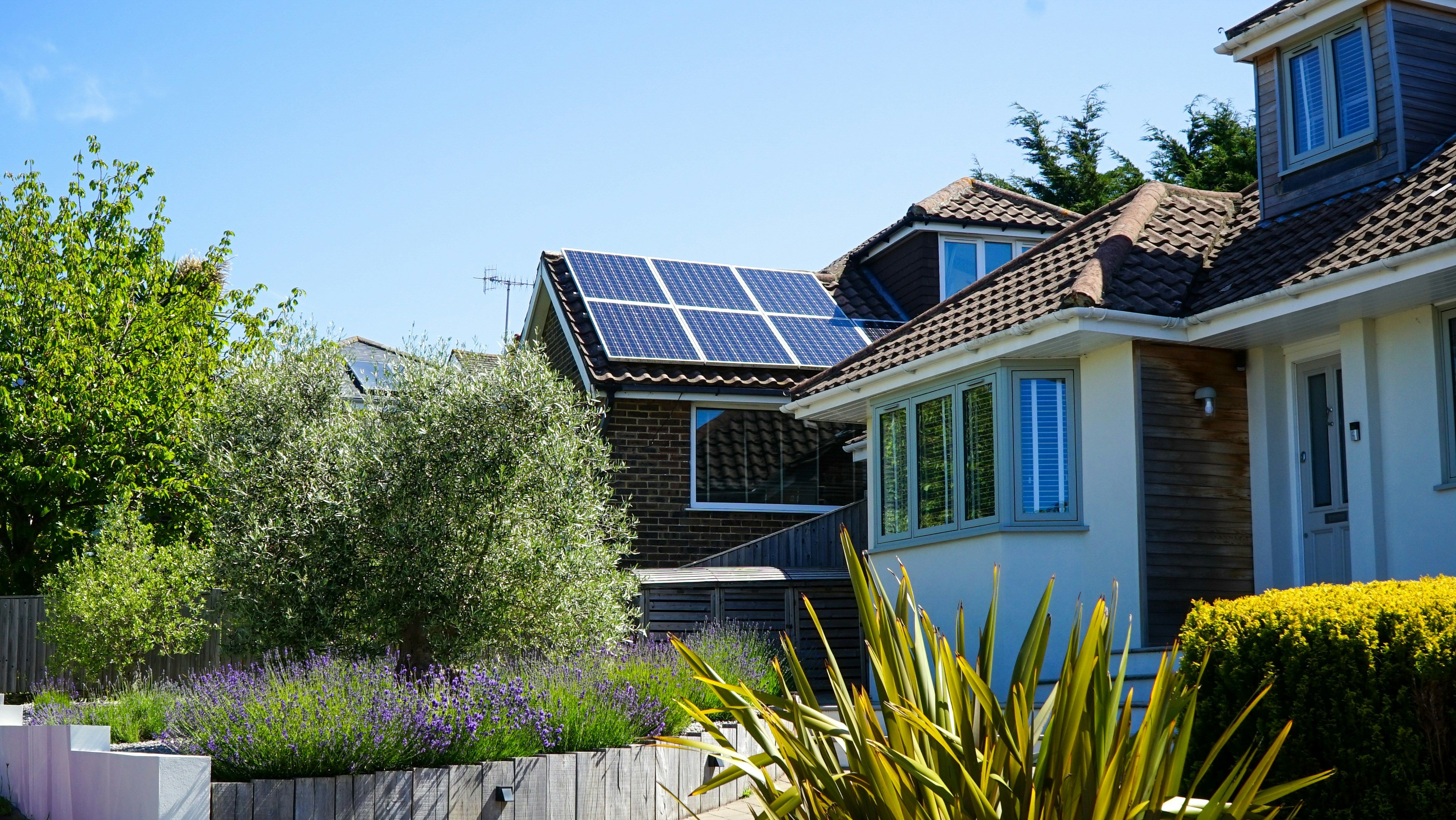
If you have a typical 3BHK and want to run your fridge, fans, lights, and a single inverter AC through the night, a 3 kW solar array attached to a 5 kWh lithium battery is the perfect sweet spot.
Instead of looking at confusing quotes, here is the raw breakdown. Three kilowatts of good Mono PERC panels will run you about ₹85,000. A decent 5 kVA MPPT inverter adds another ₹65,000. For the battery, a proper 5 kWh wall-mount lithium pack from Dyness or Soluna is roughly ₹1.15 lakh. Don't buy cheap unbranded packs just to save twenty grand—the BMS will fail. Add about ₹45,000 for mounting structures, wiring, and earthing.
If you don't count the government subsidy, you have to write a check for about ₹3,10,000.
A standard 3 kW setup will generate around 12 to 14 units a day. Do the math at ₹8 a unit, and you are basically keeping ₹3,000 in your pocket every single month. Once the ₹78,000 PM Surya Ghar subsidy hits your bank account, your actual investment comes down quickly.
Your final out-of-pocket expense drops to about ₹2,32,000. But installers rarely quote the hidden costs. You will spend another ₹15,000 on net metering application fees, DISCOM liaison charges, and a separate heavy-duty DC Breaker box for the lithium battery.
Even with those hidden expenses, the whole system pays for itself in about 6 to 7 years. For the next 15 years after that, your electricity is practically free.
4. The Bureaucracy Trap
The biggest hurdle for hybrid solar isn’t the hardware—it's the paperwork. In Gujarat, getting a hybrid net-meter sanctioned by DGVCL or UGVCL is an absolute nightmare compared to Tata Power in Mumbai.
Here’s the dirty secret: your local DISCOM engineer probably hates hybrid inverters. They are paranoid that a cheap inverter will push battery power into a dead street line and electrocute a repairman. If the anti-islanding certificate isn’t specifically stamped on their portal, your net meter will sit in limbo for months.
Before you hand over any advance payment, demand written proof from your vendor that your exact inverter model is explicitly approved on your state DISCOM's sanctioned portal list. If the board rejects your inspection, you still get battery backup, but you won’t earn a single credit for exported daytime power.
5. Maintenance Realities
The idea that rooftop solar requires zero maintenance is a complete lie. If you live in a dusty area, dirt on the glass will easily kill 25% of your power output in less than a month.
Just don't wash your panels in the afternoon. If you spray cold hose water on 65°C solar glass in the middle of May, it will instantly shatter. Do it early in the morning. Also, make sure your installer checks the MC4 cable connectors before every monsoon. If the wind constantly rubs a loose solar cable against a sharp metal rail, the rubber wears off. That exposes bare copper wire and can easily start a fire on your roof.
The Bottom Line
If your city rarely has power cuts, ignore everything about hybrid systems. Just buy a basic on-grid setup and enjoy the lower electricity bills.
But if you live somewhere that loses power every summer afternoon, or if you run a business from home and can't afford your router to die during a Zoom call, hybrid is the only way to go. It is an expensive upgrade. But when the entire neighborhood goes dark and your AC is still running without the noise and fumes of a diesel generator, you won't regret spending the extra cash.