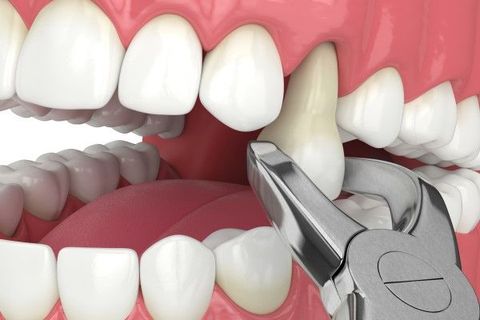
Dentists may recommend extraction due to severe tooth decay, infection, impacted wisdom teeth, advanced gum disease, overcrowding, or damage from trauma. The process involves removing the tooth from its socket in the jawbone using specialized dental instruments.
After the procedure, the body begins a natural healing process. A blood clot forms in the socket, protecting the bone and nerves beneath it. This clot plays a critical role in tissue regeneration and bone healing. If the clot becomes dislodged or dissolves too early, complications such as dry socket, medically known as alveolar osteitis, may occur.
Recovery typically involves several stages:
| Healing Stage | Typical Timeframe | What Happens |
|---|---|---|
| Initial clot formation | First 24 hours | Blood clot protects the socket |
| Early tissue repair | Days 2–3 | Swelling gradually decreases |
| Gum tissue healing | 1–2 weeks | Gum begins closing around the socket |
| Bone regeneration | Several weeks to months | Bone slowly fills the extraction area |
During this period, proper oral hygiene practices and careful dietary choices support faster healing and reduce the risk of complications.
Common symptoms during recovery may include mild discomfort, swelling, or slight bleeding within the first day. These responses are part of the body's natural inflammatory process and usually improve as healing progresses.
Why Tooth Extraction Recovery Matters Today
Dental health is increasingly recognized as an important part of overall health. According to global dental health insights, millions of tooth extractions occur each year due to untreated cavities, periodontal disease, and impacted teeth. Recovery management is therefore an important topic for patients and healthcare professionals.
Poor post-extraction care can lead to complications such as:
-
Dry socket (alveolar osteitis)
-
Delayed wound healing
-
Infection in the extraction site
-
Prolonged inflammation or pain
These issues can affect nutrition, oral function, and daily comfort. Effective recovery strategies help minimize these risks while supporting healthy tissue repair.
Tooth extraction recovery is particularly relevant for several groups:
-
Individuals undergoing wisdom tooth removal
-
Patients with advanced periodontal disease
-
People receiving orthodontic treatment that requires tooth removal
-
Older adults with compromised oral health
-
Individuals with systemic conditions such as diabetes that may influence healing
Dental health education has expanded in recent years, emphasizing preventive care and post-treatment awareness. Understanding recovery guidelines empowers patients to maintain oral hygiene, reduce complications, and support long-term dental health.
Common recovery tips recommended by dental professionals include:
-
Keeping the extraction site undisturbed for the first 24 hours
-
Avoiding vigorous rinsing or spitting immediately after the procedure
-
Consuming soft foods while the gums heal
-
Maintaining gentle oral hygiene practices
-
Staying hydrated and resting during the initial healing phase
These practices contribute to a more comfortable recovery experience while helping the body complete its natural healing process.
Recent Developments and Trends in Dental Recovery Care
Dental care research continues to explore ways to improve recovery outcomes after tooth extraction. Several updates and trends have emerged during the past year.
Advances in minimally invasive dental techniques
Recent developments in dental surgical techniques have focused on reducing tissue trauma during extractions. Minimally invasive tools and improved imaging technologies help dentists remove teeth with greater precision, potentially reducing post-procedure swelling and healing time.
Improved post-operative guidance through digital tools
Many dental clinics now provide digital recovery guides and mobile reminders to help patients follow proper oral care instructions. Smartphone apps and patient portals increasingly support appointment tracking, recovery monitoring, and oral health education.
Updated oral health awareness campaigns
In March 2025, several dental associations expanded oral health awareness initiatives focusing on preventive care and recovery education. These campaigns emphasize proper hygiene practices and highlight the importance of following dentist-recommended recovery guidelines.
Research on healing support techniques
Recent dental research published in 2024 and 2025 has examined techniques such as platelet-rich fibrin (PRF) and improved suturing methods to support tissue regeneration after extractions. These approaches aim to improve healing environments in the extraction socket.
Growth of tele-dentistry consultations
Tele-dentistry services have also expanded globally. Virtual consultations allow patients to discuss post-extraction symptoms, receive guidance on recovery concerns, and monitor healing progress without always requiring in-person visits.
These developments demonstrate a growing emphasis on patient education, improved healing outcomes, and digital support tools within modern dentistry.
Regulations and Public Health Policies Related to Dental Procedures
Dental procedures, including tooth extraction, operate within healthcare regulations designed to protect patient safety and ensure quality medical care.
In many countries, dental treatment standards are regulated by professional councils and public health authorities. These organizations establish guidelines for dental practitioners regarding infection control, sterilization practices, and patient care protocols.
In India, dental services are regulated by the Dental Council of India (DCI) under the Dentists Act, 1948. The council oversees dental education standards, licensing requirements, and professional ethics for dental practitioners.
Key regulatory aspects include:
-
Licensing and accreditation requirements for dentists
-
Infection prevention and sterilization guidelines
-
Patient safety and informed consent standards
-
Medical waste disposal regulations
-
Clinical record-keeping requirements
Additionally, national health initiatives occasionally promote dental health awareness. Public health programs may focus on oral hygiene education, preventive screenings, and community dental care initiatives.
Hospitals and dental clinics must also comply with biomedical waste management regulations to ensure safe disposal of clinical materials used during procedures.
These policies help maintain safe clinical environments and ensure that dental treatments meet recognized medical standards.
Helpful Tools and Resources for Tooth Extraction Recovery
Various tools and educational resources can support patients during the recovery process. These tools help track healing progress, maintain oral hygiene habits, and access reliable dental information.
Dental health information platforms
-
World Health Organization oral health resources
-
National dental association educational websites
-
Public health dental awareness portals
Mobile applications related to oral health
Some dental care apps help users track oral hygiene routines, monitor symptoms, and receive reminders for dental check-ups.
Examples of useful features include:
-
Brushing and flossing timers
-
Oral health tracking logs
-
Medication reminders
-
Appointment management tools
Recovery tracking templates
Simple recovery journals or templates can help individuals record:
| Recovery Day | Symptoms Observed | Food Intake | Oral Hygiene Routine |
|---|---|---|---|
| Day 1 | Mild swelling | Soft foods | Gentle rinsing |
| Day 3 | Reduced discomfort | Semi-soft foods | Normal brushing |
| Day 7 | Gum healing | Regular diet | Standard routine |
Tracking recovery progress helps identify improvements and recognize unusual symptoms that may require professional evaluation.
Educational videos and dental guides
Many reputable dental organizations provide instructional materials explaining post-extraction care practices such as saltwater rinsing techniques, oral hygiene practices, and dietary guidance.
Using reliable educational resources ensures accurate information and promotes safe recovery habits.
Frequently Asked Questions About Tooth Extraction Recovery
How long does tooth extraction recovery usually take?
Initial healing of the gums often occurs within one to two weeks. Bone healing may take several weeks or months depending on the complexity of the extraction and individual health factors.
What foods are commonly recommended during early recovery?
Soft foods are generally easier to consume during the first few days after extraction. Examples include yogurt, mashed vegetables, soups, smoothies, and soft grains. Hard or crunchy foods are typically avoided while the extraction site heals.
What is a dry socket and why is it important to prevent it?
Dry socket occurs when the protective blood clot at the extraction site becomes dislodged or dissolves prematurely. This exposes bone and nerves, which can lead to discomfort and delayed healing. Following post-procedure instructions helps reduce this risk.
When can normal oral hygiene routines resume?
Gentle brushing can usually continue the day after extraction, avoiding the immediate extraction site. As healing progresses, normal oral hygiene practices gradually resume according to dental guidance.
What signs may indicate a healing concern?
While mild swelling and discomfort are common early symptoms, persistent bleeding, severe pain, or unusual swelling may require professional evaluation. Monitoring symptoms during recovery supports early detection of potential complications.
Conclusion
Tooth extraction recovery is an important stage in dental treatment that supports healing and long-term oral health. The body's natural repair processes begin immediately after the procedure, with blood clot formation, tissue regeneration, and gradual bone healing occurring over time.
Understanding proper recovery practices helps individuals protect the extraction site, maintain oral hygiene, and reduce the risk of complications such as dry socket or infection. Awareness of dental health guidance, modern treatment developments, and reliable educational resources contributes to safer recovery experiences.