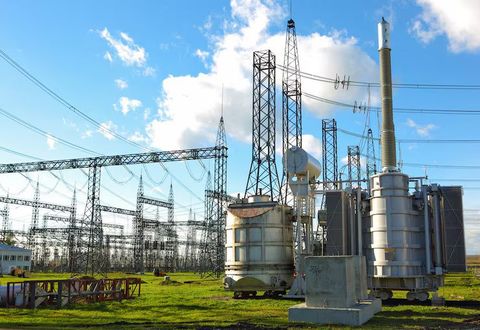
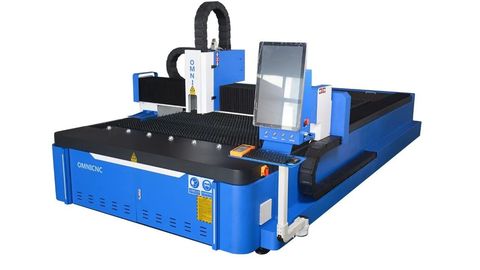
The term “manufacturing processes” covers a wide range of activities, including shaping, joining, finishing, and assembling materials. Each process is designed to achieve a specific outcome, depending on the type of material and the intended use of the product. Modern industrial production methods rely on a combination of mechanical, chemical, and digital technologies to ensure efficiency and precision.
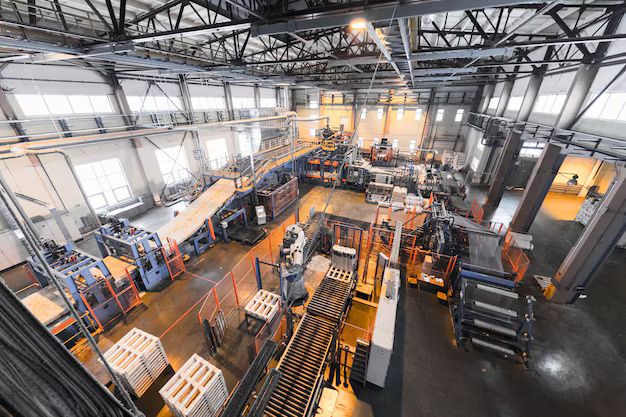
Understanding these processes helps explain how products are made, how industries operate, and how technological advancements continue to shape production systems.
Importance
Manufacturing processes play a vital role in daily life, even though they often operate behind the scenes. Nearly every object used in homes, workplaces, and public spaces has been created through one or more of these techniques. From clothing and furniture to electronics and vehicles, manufacturing processes enable large-scale production and consistent quality.
These processes also support economic growth by creating goods, enabling trade, and supporting infrastructure development. In industries such as construction, healthcare, and transportation, manufacturing ensures that materials and components meet required standards.
Key reasons why manufacturing processes matter include:
- Mass production: allowing goods to be produced in large quantities efficiently
- Product consistency: ensuring uniform quality across items
- Innovation support: enabling the development of new materials and designs
- Resource utilization: making effective use of raw materials
As global demand for products increases, efficient and adaptable manufacturing processes are essential for meeting supply needs while managing environmental impact.
Recent Updates
Between 2024 and 2026, manufacturing processes have continued to evolve with the integration of advanced technologies. Automation and robotics have become more common, helping improve accuracy and reduce manual intervention in repetitive tasks.
Artificial intelligence and data analytics are increasingly used to monitor production lines and predict maintenance needs. This approach, often referred to as smart manufacturing, helps reduce downtime and improve overall efficiency.
Another important trend is the adoption of additive manufacturing, also known as 3D printing. This technique allows for the creation of complex shapes with minimal material waste, making it useful for prototyping and specialized production.
Sustainability is also shaping modern industrial production methods. Many industries are focusing on reducing energy use, recycling materials, and minimizing waste. These efforts align with broader environmental goals and regulatory requirements.
In addition, digital twins—virtual models of physical systems—are being used to simulate manufacturing processes before actual production begins. This helps identify potential issues and optimize performance.
Laws or Policies
Manufacturing processes are influenced by various laws and regulations, particularly in countries like India. These rules ensure safety, environmental protection, and product quality.
Industrial operations must comply with standards set by the Bureau of Indian Standards (BIS), which define quality and safety requirements for products and processes. Factories are also regulated under the Factories Act, which addresses worker safety, working conditions, and operational guidelines.
Environmental regulations, such as those enforced by the Central Pollution Control Board (CPCB), require industries to manage emissions, waste disposal, and resource usage responsibly. These rules are particularly relevant for processes involving chemicals or heavy machinery.
In addition, initiatives like the “Make in India” program encourage domestic manufacturing by promoting investment and innovation in industrial production methods. While such programs aim to strengthen the manufacturing sector, they also emphasize compliance with quality and sustainability standards.
Overall, these policies help ensure that manufacturing processes are carried out responsibly and safely.
Tools and Resources
A variety of tools and resources support modern manufacturing processes, helping industries improve efficiency and maintain quality.
Common tools include:
- Computer-Aided Design (CAD): used to create detailed product designs before production
- Computer-Aided Manufacturing (CAM): helps control machinery and automate production processes
- Enterprise Resource Planning (ERP) systems: manage production schedules, inventory, and operations
- Simulation software: allows testing of manufacturing processes in a virtual environment
- Quality control tools: ensure products meet specified standards
These tools are widely used across industries to streamline operations and support decision-making.
Below is a comparison table of ten common manufacturing processes:
| Process Name | Technique Type | Typical Application |
|---|---|---|
| Casting | Pouring molten material | Engine parts, metal components |
| Molding | Shaping in molds | Plastic products, containers |
| Machining | Material removal | Precision parts, tools |
| Joining | Welding/fastening | Construction, automotive assembly |
| Forming | Deformation | Sheet metal, structural components |
| Additive Manufacturing | Layer-by-layer build | Prototypes, custom parts |
| Powder Metallurgy | Powder compaction | Gears, bearings |
| Extrusion | Forced shaping | Pipes, frames |
| Forging | Compressive force | Strong metal parts |
| Finishing | Surface treatment | Coating, polishing |
Top 10 Manufacturing Processes Explained
Casting
Casting involves pouring molten material, usually metal, into a mold where it cools and solidifies into a specific shape. This process is widely used for producing complex parts that would be difficult to create using other methods.
Molding
Molding is commonly used for plastics and involves shaping material inside a hollow mold. Injection molding is one of the most widely used techniques for producing items like packaging, containers, and components.
Machining
Machining is a subtractive process where material is removed from a solid block using tools such as lathes and milling machines. It is known for producing highly precise components.
Joining
Joining processes include welding, riveting, and fastening. These techniques are used to connect multiple parts into a single structure, often in construction and automotive industries.
Forming
Forming changes the shape of a material without removing any part of it. Techniques like bending, rolling, and stamping are commonly used for metal sheets.
Additive Manufacturing
Additive manufacturing builds objects layer by layer using digital designs. It is especially useful for creating prototypes and complex geometries.
Powder Metallurgy
This process involves compressing metal powders into a desired shape and then heating them to bond the particles. It is efficient for producing small, precise components.
Extrusion
Extrusion forces material through a shaped opening to create long objects with a consistent cross-section, such as pipes or rods.
Forging
Forging uses compressive forces to shape metal, often at high temperatures. This process produces strong and durable components used in heavy machinery.
Finishing
Finishing processes improve the surface quality of a product. Techniques include polishing, coating, and heat treatment to enhance appearance and performance.
FAQs
What are manufacturing processes in industrial production methods?
Manufacturing processes are techniques used to convert raw materials into finished products. Industrial production methods include a combination of these processes to achieve efficient and consistent output.
What are the most common manufacturing processes?
Common processes include casting, molding, machining, forming, joining, and additive manufacturing. Each process is selected based on material type and product requirements.
How do modern manufacturing processes improve efficiency?
Modern manufacturing processes use automation, data analysis, and advanced machinery to reduce errors, save time, and optimize resource use.
What is the difference between additive and subtractive manufacturing?
Additive manufacturing builds objects layer by layer, while subtractive manufacturing removes material from a solid block to create the desired shape.
Where are manufacturing processes used in everyday life?
Manufacturing processes are used to produce everyday items such as clothing, electronics, vehicles, and household goods, making them essential to modern living.
Conclusion
Manufacturing processes are fundamental to the production of goods across industries. From traditional techniques like casting and forging to modern methods like additive manufacturing, each process serves a specific purpose. Advances in technology continue to improve efficiency and precision in industrial production methods. These processes support economic activity and shape the products used in everyday life. Understanding them provides insight into how materials are transformed into useful items.