Whether you are managing diabetes, following a low-carb lifestyle, or simply aiming to stay informed about your health, knowing how glucose and ketone testing works can provide valuable insights. This guide explains the fundamentals, helping you interpret results and apply them in real-life situations with confidence.
What Is Glucose and Ketone Testing?
Glucose and ketone testing refers to measuring two key substances in the body: glucose (sugar in the blood) and ketones (byproducts of fat metabolism). These tests help assess how your body is producing and using energy.
Glucose testing is commonly used to monitor blood sugar levels, especially in people with diabetes. Ketone testing, on the other hand, becomes important when the body shifts from using glucose to fat as its primary fuel source.
Together, glucose and ketone testing provides a more complete picture of metabolic health. Instead of focusing on just sugar levels, it shows how the body adapts under different conditions such as fasting, illness, or dietary changes.
Why Glucose and Ketone Testing Matters
Understanding glucose and ketone testing is not limited to medical conditions. It has broader applications in everyday health awareness.
Monitoring Blood Sugar Stability
Consistent glucose monitoring helps identify patterns. For example, if blood sugar spikes after meals or drops unexpectedly, testing allows you to recognize these trends and adjust accordingly.
Detecting Ketone Levels
Ketones are produced when glucose is not readily available. While mild ketone production can be normal, excessively high levels may indicate a serious condition such as diabetic ketoacidosis.
Supporting Lifestyle Choices
People following low-carb or ketogenic diets often rely on ketone testing to confirm whether their body has entered a fat-burning state. Combining this with glucose testing ensures that energy balance remains stable.
How Glucose Testing Works
Glucose testing measures the amount of sugar present in your bloodstream at a given time. It can be done using various methods, each suited for different needs.
Finger-Prick Testing
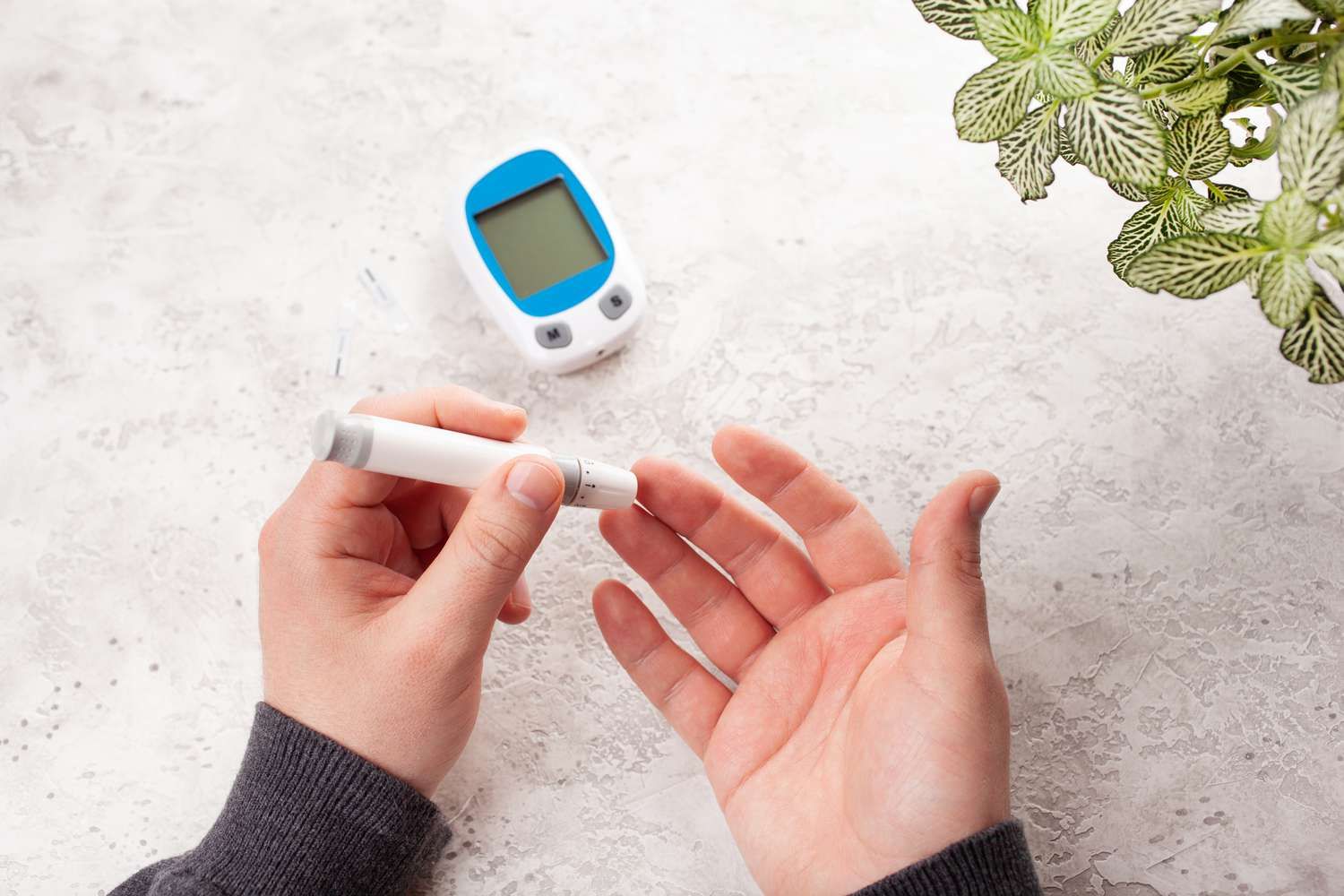
This is one of the most common methods. A small drop of blood is taken from the fingertip and analyzed using a glucose meter. Results are available within seconds.
Continuous Glucose Monitoring (CGM)
CGM devices track glucose levels throughout the day and night. They provide real-time data and trends, helping users understand how food, activity, and stress affect their levels.
When to Test Glucose
Timing plays an important role in accurate interpretation:
- Before meals to establish a baseline
- After meals to observe changes
- Before bedtime to ensure stability overnight
Regular glucose and ketone testing at consistent times improves the reliability of insights.
How Ketone Testing Works
Ketone testing measures the presence of ketones in the blood, urine, or breath. Each method offers different levels of accuracy and convenience.
Blood Ketone Testing
This method provides the most precise measurement. Similar to glucose testing, it uses a small blood sample and delivers quick results.
Urine Ketone Testing
Urine strips detect ketones excreted from the body. While easy to use, they may not reflect real-time ketone levels accurately.
Breath Ketone Testing
Breath analyzers measure acetone, a type of ketone. This method is non-invasive and useful for tracking long-term trends.
When to Test Ketones
Ketone testing is especially important:
- During illness or infection
- When blood glucose levels are consistently high
- While following a ketogenic diet
- During fasting periods
Combining glucose and ketone testing in these situations helps identify whether the body is functioning normally or under stress.
Interpreting Glucose and Ketone Testing Results
Understanding results is where glucose and ketone testing becomes truly valuable. Numbers alone are not enough; context matters.
Normal Glucose Ranges
For most individuals:
- Fasting glucose typically falls within a stable range
- Post-meal glucose rises temporarily before returning to baseline
Large fluctuations may signal the need for closer monitoring.
Ketone Level Insights
- Low ketone levels may indicate normal carbohydrate metabolism
- Moderate levels can reflect fat-burning states
- High levels may require attention, especially when combined with elevated glucose
The Relationship Between Glucose and Ketones
Glucose and ketone testing together reveal how the body shifts between fuel sources. For example:
- High glucose with high ketones may indicate imbalance
- Low glucose with moderate ketones can be a normal adaptation during fasting
Recognizing these patterns helps prevent confusion and supports better decision-making.
Real-Life Applications of Glucose and Ketone Testing
Glucose and ketone testing is not just theoretical—it has practical, everyday applications.
Managing Diabetes
For individuals with diabetes, regular testing helps maintain safe glucose levels. Adding ketone testing provides an extra layer of awareness, especially during illness or unexpected glucose spikes.
Following a Ketogenic Diet
People aiming to reach ketosis use ketone testing to confirm their progress. Glucose testing complements this by ensuring levels remain stable and not excessively low.
Athletic Performance
Athletes sometimes use glucose and ketone testing to optimize energy usage. Understanding how the body responds to training and nutrition can improve endurance and recovery.
Fasting and Intermittent Fasting
During fasting, glucose levels decrease while ketones increase. Monitoring both helps ensure the body is adapting properly without unnecessary stress.
Common Mistakes in Glucose and Ketone Testing
Even though glucose and ketone testing is straightforward, certain mistakes can lead to misleading results.
Testing at Inconsistent Times
Irregular testing makes it difficult to compare results. Consistency is key to identifying meaningful patterns.
Ignoring External Factors
Stress, sleep, hydration, and illness all influence results. Testing without considering these factors may lead to incorrect conclusions.
Overanalyzing Single Readings
One reading does not tell the full story. Trends over time are far more valuable than isolated numbers.
Misinterpreting Ketone Levels
Not all ketone presence is harmful. Understanding the context—whether dietary, metabolic, or medical—is essential.
Tips for Accurate Glucose and Ketone Testing
To get the most out of glucose and ketone testing, follow these practical tips:
Maintain a Testing Routine
Testing at the same times each day helps create reliable data for comparison.
Keep a Record
Documenting readings alongside meals, activity, and sleep patterns provides deeper insights.
Stay Hydrated
Proper hydration supports accurate results, especially for urine ketone testing.
Use Proper Technique
Ensure hands are clean before testing and devices are used correctly to avoid errors.
Understand Your Baseline
Everyone’s body is different. Knowing your normal ranges helps you recognize when something changes.
When to Seek Medical Guidance
While glucose and ketone testing provides valuable information, certain situations require professional input.
- Persistently high glucose levels
- Elevated ketones along with symptoms like nausea or fatigue
- Unexplained fluctuations in readings
- Difficulty interpreting results despite consistent testing
Healthcare professionals can help interpret patterns and guide appropriate next steps.
The Future of Glucose and Ketone Testing
Advancements in technology are making glucose and ketone testing more accessible and user-friendly. Continuous monitoring systems, improved sensors, and integrated health tracking tools are helping individuals gain deeper insights with less effort.
As these tools evolve, the focus is shifting from reactive testing to proactive health management. Instead of responding to problems, people can anticipate changes and make informed decisions earlier.
Conclusion: Making Sense of Glucose and Ketone Testing
Glucose and ketone testing is a powerful tool for understanding how your body functions on a daily basis. By measuring both blood sugar and ketone levels, you gain a more complete view of energy balance, metabolic shifts, and overall health.
The key is not just testing, but interpreting results in context. With consistent monitoring, practical application, and awareness of patterns, glucose and ketone testing becomes more than a routine—it becomes a guide for smarter, more informed health decisions.
When used correctly, it empowers you to move beyond guesswork and take a more active role in understanding your body’s needs.