The use of adhesive materials dates back thousands of years when natural resins, plant extracts, and animal-based substances were used for bonding and sealing purposes. As industrial manufacturing expanded, synthetic adhesive technologies were developed to improve strength, flexibility, heat resistance, and chemical durability. Today, adhesive manufacturing includes water-based formulations, solvent-based systems, hot melt adhesives, pressure-sensitive products, and industrial structural bonding materials.
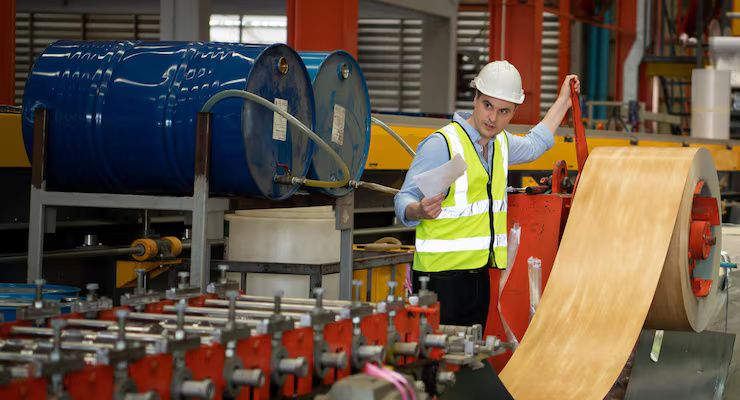
Adhesive products are widely used in:
- Packaging and labeling
- Furniture manufacturing
- Construction materials
- Automotive assembly
- Medical equipment
- Electronics production
- Textile and footwear industries
Different adhesive formulations are designed depending on bonding strength, curing method, temperature resistance, and material compatibility.
Importance
Adhesive manufacturing plays an important role in modern industrial production and product assembly. Adhesive systems help manufacturers connect materials efficiently without relying only on mechanical fasteners such as screws, bolts, or welding systems.
Support for Industrial Assembly
Adhesives are commonly used in manufacturing environments where lightweight bonding, surface flexibility, or material compatibility is important.
Industries using industrial adhesives include:
| Industry | Adhesive Application | Purpose |
|---|---|---|
| Packaging | Carton sealing | Product handling |
| Automotive | Interior assembly | Material bonding |
| Construction | Tile and panel installation | Structural attachment |
| Electronics | Circuit component bonding | Precision assembly |
| Furniture Manufacturing | Wood joining | Product assembly |
These applications support production efficiency and product durability across industrial sectors.
Material Compatibility and Design Flexibility
Modern adhesives can bond different materials together while supporting lightweight product designs. This flexibility is important in industries such as automotive manufacturing and electronics production where reducing component weight is often necessary.
Adhesives are commonly used with:
- Plastic materials
- Metal surfaces
- Composite panels
- Glass structures
- Wood products
This adaptability supports modern engineering and manufacturing requirements.
Packaging and Consumer Product Applications
Packaging industries rely heavily on adhesives for labeling, sealing, laminating, and carton assembly operations. Consumer products such as books, footwear, hygiene products, and household items also use adhesive systems during production.
Common packaging uses include:
- Corrugated box sealing
- Flexible packaging assembly
- Label attachment
- Product wrapping systems
These applications support logistics and retail distribution networks.
Production Process
Adhesive manufacturing involves raw material preparation, chemical mixing, processing, quality testing, and packaging operations.
Raw Material Selection
The production process begins with selecting materials based on adhesive type and intended industrial application. Manufacturers combine resins, polymers, solvents, additives, and curing agents in controlled proportions.
Common raw material categories include:
- Synthetic resins
- Polymer compounds
- Solvents
- Plasticizers
- Stabilizers
- Fillers
Material selection influences adhesive strength, drying time, flexibility, and environmental resistance.
Mixing and Blending
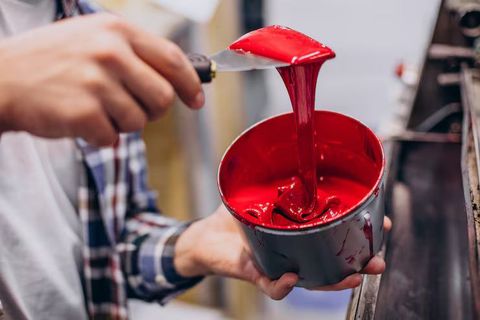
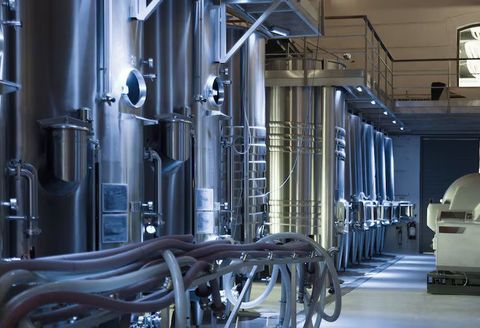
Raw materials are blended inside industrial mixing systems designed to maintain consistent chemical distribution. Mixing conditions such as temperature and speed are controlled carefully during production.
Equipment commonly used includes:
- Agitated mixing tanks
- High-speed dispersers
- Vacuum mixers
- Heated blending systems
Proper blending helps maintain uniform adhesive properties.
Chemical Processing
Some adhesive formulations require heating, cooling, or chemical reaction stages during manufacturing. This stage helps develop the final bonding characteristics and viscosity of the product.
Processing conditions may involve:
- Controlled temperature systems
- Polymer reaction monitoring
- Viscosity adjustment
- Moisture control
Filtration and Quality Inspection
After processing, adhesives may pass through filtration systems to remove impurities and maintain product consistency.
Quality testing may include:
- Bond strength analysis
- Viscosity measurement
- Drying time evaluation
- Heat resistance testing
- Chemical stability inspection
Testing helps verify industrial performance requirements.
Packaging and Storage
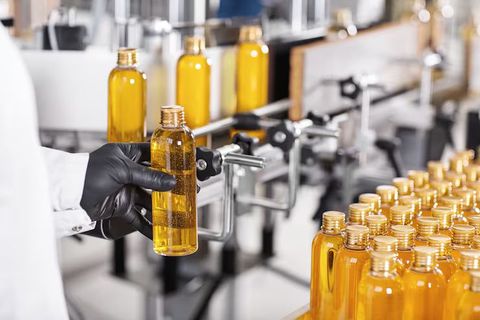
Finished adhesives are filled into industrial containers, cartridges, drums, or tubes depending on the intended application.
Packaging operations often involve:
- Automated filling systems
- Label printing
- Batch coding
- Container sealing
Products are then prepared for industrial distribution and storage.
Materials Used in Adhesive Manufacturing
Different adhesive formulations use specific chemical materials depending on bonding requirements and industrial conditions.
Synthetic Resins
Synthetic resins form the primary bonding structure in many industrial adhesives.
Common resin types include:
- Epoxy resins
- Acrylic resins
- Polyurethane systems
- Vinyl-based polymers
These materials influence flexibility, curing performance, and environmental resistance.
Solvents and Water-Based Systems
Some adhesives use solvents or water as carriers to maintain consistency during application.
Modern adhesive manufacturing increasingly includes:
- Water-based formulations
- Low-emission systems
- Solvent-reduced products
These systems are commonly used in packaging and construction applications.
Additives and Stabilizers
Additives help improve adhesive performance and storage stability.
Examples include:
- Anti-foaming agents
- Heat stabilizers
- Thickening agents
- UV resistance additives
These materials support product consistency under different operating conditions.
Industrial Applications
Adhesives are used across many industrial sectors where material bonding and assembly operations are required.
Packaging Industry
Packaging remains one of the largest industrial applications for adhesives. Adhesive systems are used in carton production, labels, laminates, and flexible packaging materials.
Applications include:
- Box sealing
- Product labeling
- Food packaging assembly
- Paperboard lamination
Construction and Building Materials
Construction industries use adhesives for flooring systems, wall panels, insulation materials, and tile installation.
Construction adhesive applications may involve:
- Ceramic tile attachment
- Wood panel bonding
- Waterproof sealing systems
- Insulation material installation
Automotive Manufacturing
Modern vehicles use adhesives in structural assembly, interior components, glass installation, and vibration reduction systems.
Automotive adhesive functions include:
- Lightweight bonding
- Noise reduction support
- Corrosion protection
- Material joining flexibility
Electronics and Electrical Systems
Electronics manufacturing uses adhesives for component attachment, insulation, and protective sealing applications.
Common uses include:
- Circuit board bonding
- Display assembly
- Cable insulation
- Sensor attachment systems
Recent Updates
Between 2024 and 2026, adhesive manufacturing continued evolving through sustainability efforts, advanced materials research, and automated production technologies.
Growth of Water-Based Adhesives
Many manufacturers are increasing the use of water-based adhesive systems to reduce industrial emissions and improve environmental management practices.
These products are increasingly used in:
- Packaging production
- Construction materials
- Paper processing industries
Smart Manufacturing and Automation
Adhesive production facilities increasingly use automated systems and digital monitoring platforms.
Recent developments include:
- Automated mixing systems
- Real-time viscosity monitoring
- Robotic packaging equipment
- Digital quality tracking systems
These technologies support production consistency and operational control.
Development of Advanced Bonding Materials
Industries such as aerospace, automotive manufacturing, and electronics continue developing specialized adhesive materials designed for demanding engineering environments.
Research areas include:
- Heat-resistant adhesives
- Lightweight structural bonding
- Conductive adhesive systems
- Flexible electronic materials
Sustainable Packaging Integration
The growth of recyclable packaging materials has also influenced adhesive design and compatibility research.
Laws or Policies
Adhesive manufacturing is influenced by environmental regulations, chemical handling standards, and workplace safety requirements.
Chemical Safety Regulations
Manufacturing facilities generally follow regulations related to:
- Chemical storage
- Ventilation systems
- Material labeling
- Industrial emissions management
These rules help support workplace safety and environmental protection.
Environmental Policies
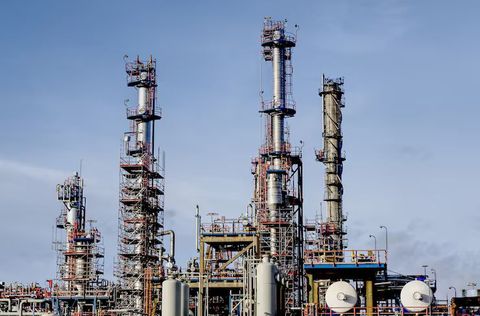
Governments increasingly regulate industrial emissions, waste disposal, and solvent usage connected to chemical manufacturing operations.
Policies may focus on:
- Air quality management
- Waste reduction
- Recycling systems
- Industrial wastewater treatment
Product Performance Standards
Some industrial adhesives used in construction, transportation, and electronics applications may require compliance with technical standards related to durability and safety performance.
Tools and Resources
Several technical tools and industrial systems support adhesive manufacturing and product testing.
Laboratory Testing Equipment
Manufacturers use laboratory systems to evaluate adhesive performance and product consistency.
Testing equipment may include:
- Bond strength analyzers
- Viscosity measurement devices
- Heat resistance chambers
- Environmental testing systems
Production Monitoring Platforms
Digital production systems help manufacturers monitor mixing operations, temperature conditions, and batch records during adhesive manufacturing.
Chemical Formulation Software
Engineering software supports adhesive formulation development and industrial process management.
FAQs
What is adhesive manufacturing?
Adhesive manufacturing is the industrial process of producing bonding materials used in packaging, construction, automotive production, electronics, and industrial assembly applications.
Which materials are commonly used in adhesive manufacturing?
Common materials include synthetic resins, polymers, solvents, additives, stabilizers, and water-based chemical systems.
What industries use industrial adhesives the most?
Industries commonly using industrial adhesives include packaging, automotive manufacturing, construction, electronics, furniture production, and textile manufacturing.
How does the adhesive production process work?
The production process generally includes raw material preparation, mixing, chemical processing, filtration, quality testing, and packaging stages.
Why are water-based adhesives becoming more common?
Water-based adhesives are increasingly used because they support lower industrial emissions and are compatible with many packaging and construction applications.
Conclusion
Adhesive manufacturing is an important part of modern industrial production and material assembly systems. The production process combines chemical engineering, mixing technology, quality testing, and automated packaging operations to create bonding materials for multiple industries. Adhesives support packaging, automotive manufacturing, electronics production, construction systems, and consumer product assembly. Recent developments in water-based formulations, advanced bonding materials, and automated manufacturing continue influencing the adhesive industry. Environmental regulations and industrial safety standards also shape adhesive production methods and material management practices.