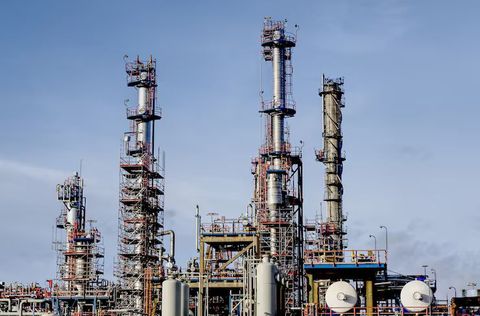
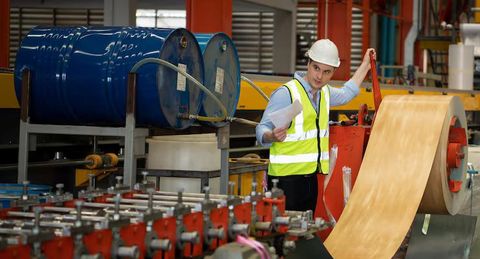
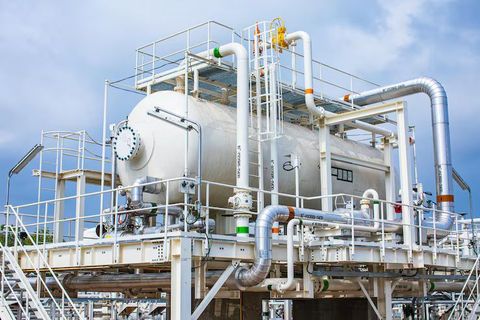
The development of chemical plants expanded during the Industrial Revolution as industries required organized systems for producing materials used in agriculture, energy production, construction, healthcare, textiles, and manufacturing. Over time, chemical processing facilities evolved from manually operated units into highly automated industrial environments using digital monitoring systems, advanced reactors, and computerized process controls.
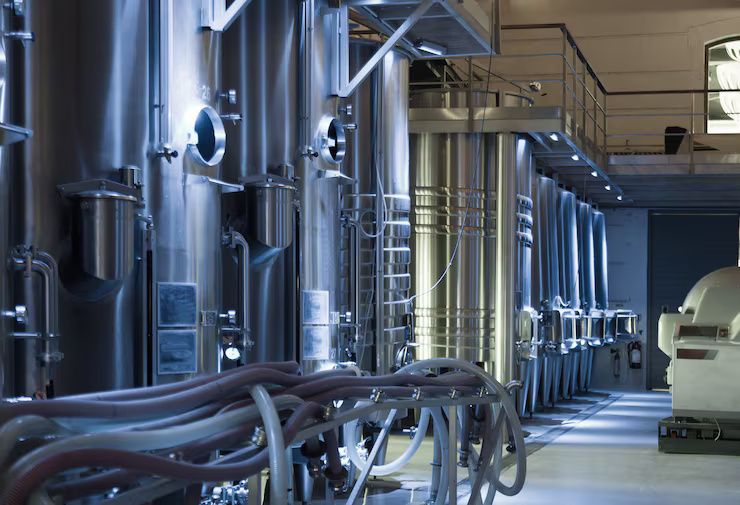
Modern chemical plant operations involve multiple stages including raw material handling, chemical reactions, separation processes, heat transfer, filtration, storage, and packaging. Different plant layouts are designed depending on production requirements, safety conditions, and the type of chemicals being processed.
Common chemical manufacturing sectors include:
- Petrochemical processing
- Fertilizer production
- Industrial gas manufacturing
- Polymer and plastic production
- Specialty chemical processing
- Water treatment chemical production
Chemical plant infrastructure plays an important role in industrial supply chains and global manufacturing systems.
Importance
Chemical plant setup is important because chemical processing industries support a wide range of products and materials used in everyday life and industrial operations. Many manufacturing sectors rely on chemicals produced in industrial processing facilities.
Industrial Manufacturing Support
Chemical plants provide raw materials and processing compounds used in multiple industries including construction, agriculture, transportation, electronics, and packaging.
Examples of industrial applications include:
| Industry | Chemical Product Use | Purpose |
|---|---|---|
| Agriculture | Fertilizer production | Crop support |
| Construction | Industrial coatings and materials | Infrastructure development |
| Water Treatment | Treatment chemicals | Water purification |
| Automotive | Industrial fluids and polymers | Vehicle manufacturing |
| Packaging | Plastic and resin production | Product packaging |
These industries depend on continuous chemical production for manufacturing activities.
Role in Industrial Infrastructure
Chemical processing facilities are often integrated with transportation systems, energy networks, storage terminals, and manufacturing plants. Large chemical plants may include pipelines, utility systems, warehouses, and distribution infrastructure.
Key operational areas may include:
- Raw material storage
- Reactor systems
- Cooling and heating units
- Waste treatment facilities
- Packaging and transport sections
This infrastructure supports industrial manufacturing and supply chain operations.
Support for Modern Production Systems
Chemical manufacturing contributes to the production of industrial materials used in electronics, renewable energy systems, textiles, pharmaceuticals, and construction products.
Modern chemical plants help support:
- Industrial material processing
- Fuel and energy production
- Water treatment operations
- Manufacturing supply chains
- Agricultural productivity
These facilities are connected to both industrial development and infrastructure planning.
Process Systems
Chemical process systems are designed to manage material movement, chemical reactions, heat transfer, and product separation within industrial facilities.
Raw Material Handling Systems
Chemical plants use storage tanks, pipelines, pumps, and conveyor systems to transport raw materials safely throughout production areas.
Handling systems may include:
- Bulk storage tanks
- Chemical transfer pumps
- Pipeline distribution systems
- Material feeding equipment
These systems support controlled material movement inside the plant.
Reactor Systems
Reactors are important components in many chemical manufacturing operations. They provide controlled environments where chemical reactions occur under specific temperature and pressure conditions.
Common reactor types include:
- Batch reactors
- Continuous stirred-tank reactors
- Fluidized bed reactors
- Tubular reactors
Reactor selection depends on the production process and material requirements.
Separation and Filtration Systems
After chemical reactions occur, processing systems separate desired products from byproducts or unused materials.
Separation technologies may include:
- Distillation systems
- Filtration equipment
- Centrifuges
- Evaporation units
These systems help improve product purity and processing efficiency.
Heat Transfer and Cooling Systems
Chemical manufacturing often requires controlled heating and cooling operations. Industrial plants use specialized equipment to maintain stable operating temperatures.
Examples include:
- Heat exchangers
- Cooling towers
- Industrial boilers
- Refrigeration systems
Temperature management is important for process stability and operational safety.
Equipment Used in Chemical Plants
Chemical plant setup involves multiple categories of industrial equipment designed for processing, transport, monitoring, and storage operations.
Storage Equipment
Chemical plants use tanks and containers for storing raw materials, intermediate products, and finished chemicals.
Storage systems may include:
- Pressurized tanks
- Stainless steel vessels
- Bulk chemical containers
- Hazardous material storage units
Material compatibility is important during storage system selection.
Pumps and Compressors
Pumps and compressors move liquids and gases through pipelines and processing systems.
Common equipment types include:
- Centrifugal pumps
- Positive displacement pumps
- Air compressors
- Gas compressors
These systems support fluid movement throughout industrial operations.
Piping and Valve Systems
Industrial piping networks connect different sections of chemical plants and control material flow between equipment units.
Important components include:
- Industrial valves
- Pressure control systems
- Pipe fittings
- Flow measurement devices
These systems help regulate production operations safely.
Automation and Monitoring Equipment
Modern chemical plants use digital monitoring systems and industrial automation technologies to track operational performance.
Monitoring systems may include:
- Pressure sensors
- Temperature controls
- Flow monitoring devices
- Automated alarm systems
Automation supports process consistency and operational management.
Industrial Manufacturing Solutions
Chemical plants support manufacturing solutions across many industrial sectors.
Petrochemical Production
Petrochemical plants process hydrocarbons into industrial chemicals used in plastics, synthetic fibers, fuel additives, and packaging materials.
Fertilizer Manufacturing
Fertilizer plants produce compounds used in agricultural operations and crop production systems.
Water Treatment Chemicals
Chemical processing facilities manufacture substances used for:
- Water purification
- Wastewater treatment
- Industrial cleaning
- Disinfection processes
Polymer and Plastic Production
Many industrial plastics and synthetic materials are produced through chemical manufacturing processes involving polymerization systems and resin production units.
Recent Updates
Between 2024 and 2026, chemical plant setup and industrial manufacturing solutions continued evolving through automation, sustainability initiatives, and digital process management.
Growth of Smart Chemical Plants
Manufacturers increasingly use digital systems to monitor equipment performance and production efficiency.
Recent technologies include:
- Predictive maintenance platforms
- AI-assisted process analysis
- Remote monitoring systems
- Automated production controls
These tools support operational management and equipment monitoring.
Sustainability and Emission Reduction
Chemical plants are focusing more on environmental management and energy-efficient operations.
Key areas include:
- Waste heat recovery systems
- Water recycling technologies
- Reduced industrial emissions
- Energy optimization programs
Expansion of Specialty Chemicals
Demand for specialty chemicals used in electronics, renewable energy systems, and advanced manufacturing has continued increasing.
Industrial Safety Improvements
Facilities are adopting more advanced safety systems including automated shutdown controls, leak detection technologies, and digital hazard monitoring systems.
Laws or Policies
Chemical plant setup is influenced by environmental regulations, industrial safety standards, and hazardous material management laws.
Environmental Regulations
Chemical manufacturing facilities are generally regulated for:
- Air emissions
- Wastewater discharge
- Hazardous waste management
- Chemical storage practices
Environmental compliance systems help monitor industrial pollution control.
Workplace Safety Standards
Chemical plants follow strict safety procedures related to:
- Fire prevention systems
- Pressure equipment operation
- Hazard communication
- Emergency response planning
Safety inspections are important within chemical processing environments.
Industrial Licensing and Approvals
Chemical facilities may require approvals related to:
- Plant construction
- Chemical handling
- Environmental impact assessments
- Industrial zoning requirements
Regulatory requirements vary depending on region and production type.
Tools and Resources
Several technical tools and industrial systems support chemical plant setup and operational management.
Process Simulation Software
Engineers use simulation software to model chemical reactions, heat transfer systems, and material flow operations before plant construction.
Industrial Monitoring Platforms
Digital monitoring systems track production conditions and equipment performance in real time.
Monitoring functions may include:
- Pressure analysis
- Temperature tracking
- Flow measurement
- Maintenance scheduling
CAD and Engineering Design Systems
Chemical plant layouts and equipment systems are commonly designed using engineering software platforms for piping, structural planning, and process integration.
FAQs
What is chemical plant setup?
Chemical plant setup is the process of designing, constructing, and organizing industrial facilities used for chemical production and manufacturing operations.
Which process systems are commonly used in chemical plants?
Common process systems include reactor units, heat exchangers, filtration equipment, storage tanks, cooling systems, and industrial piping networks.
What equipment is important in chemical manufacturing facilities?
Chemical manufacturing facilities commonly use pumps, compressors, reactors, storage vessels, valves, monitoring systems, and separation equipment.
How do industrial manufacturing solutions support chemical production?
Industrial manufacturing solutions help manage automation, material handling, process monitoring, safety systems, and production efficiency in chemical plants.
Why are environmental regulations important for chemical plants?
Environmental regulations help manage emissions, wastewater discharge, hazardous materials, and industrial waste generated during chemical manufacturing operations.
Conclusion
Chemical plant setup is an important part of modern industrial manufacturing and large-scale processing infrastructure. Chemical facilities combine process systems, industrial equipment, automation technologies, and safety management systems to support the production of materials used across multiple industries. Advances in digital monitoring, sustainability programs, and smart manufacturing technologies continue shaping chemical plant operations worldwide. Environmental regulations and industrial safety standards also influence how chemical processing systems are designed and managed. As industrial demand grows, chemical manufacturing remains closely connected to infrastructure development, agriculture, energy production, and industrial supply chains.