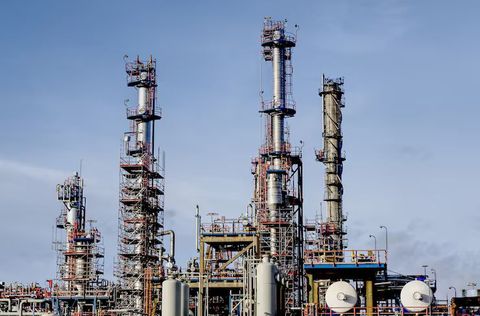
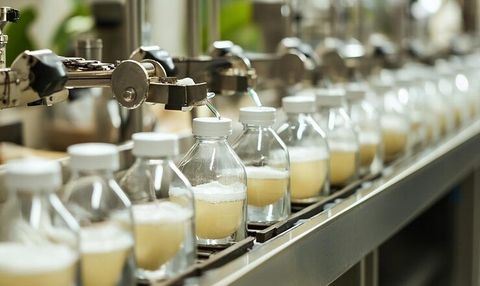
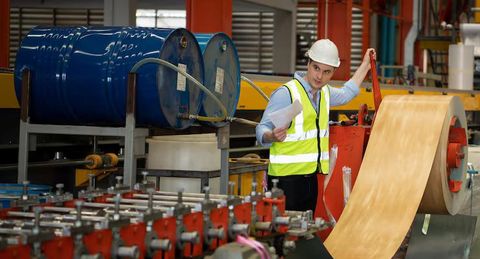
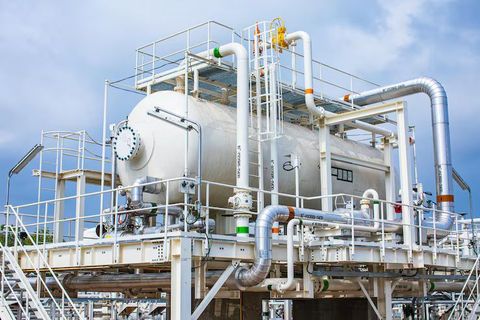
Whether used in plastics, food processing, pharmaceuticals, or data centers, these systems ensure equipment stability, product quality, and energy efficiency.
If you’re researching industrial water chillers, your goal is likely to understand how they work, which type suits your application, and how to maximize efficiency. This guide delivers exactly that—clear, practical, and in-depth insights to help you make informed decisions.

What Are Industrial Water Chillers and Why They Matter
Industrial water chillers are systems designed to remove heat from water and circulate that cooled water through equipment or processes. Their primary purpose is to maintain consistent temperatures in environments where heat buildup can disrupt operations.
How Industrial Water Chillers Work
At their core, industrial water chillers operate using a refrigeration cycle that includes:
- Evaporator: Absorbs heat from water
- Compressor: Increases refrigerant pressure
- Condenser: Releases absorbed heat
- Expansion Valve: Regulates refrigerant flow
The chilled water is then recirculated, ensuring consistent cooling.
Real-World Example
In plastic injection molding, even minor temperature fluctuations can affect product quality. Industrial water chillers maintain stable mold temperatures, ensuring uniform output and reducing defects.
Types of Industrial Water Chillers Explained
Understanding the different types of industrial water chillers is essential for selecting the right system for your operation.
Air-Cooled Industrial Water Chillers
These systems use ambient air to dissipate heat.
Key Characteristics:
- Easier installation
- Suitable for smaller or medium-scale operations
- Requires adequate ventilation
Best For: Facilities with limited water availability or where installation simplicity is a priority.
Water-Cooled Industrial Water Chillers
These systems rely on water (often from cooling towers) to remove heat.
Key Characteristics:
- Higher efficiency in large-scale operations
- Better performance in hot climates
- Requires additional infrastructure
Best For: Large industrial facilities with continuous cooling demands.
Absorption Industrial Water Chillers
These use heat sources instead of electricity to drive the cooling process.
Key Characteristics:
- Utilizes waste heat or steam
- Lower electrical consumption
- Ideal for energy recovery setups
Best For: Industries aiming to improve energy efficiency through heat reuse.
Key Components That Impact Efficiency
Efficiency in industrial water chillers depends on multiple components working seamlessly together.
Compressor Technology
The compressor is the heart of the system. Advanced options like screw or centrifugal compressors enhance energy efficiency and performance consistency.
Heat Exchangers
High-quality evaporators and condensers improve heat transfer, reducing energy consumption and increasing system reliability.
Control Systems
Modern chillers include intelligent control systems that monitor temperature, pressure, and load conditions in real time. This allows for optimized operation and reduced energy waste.
Industrial Water Chillers in Different Industries
Industrial water chillers are not one-size-fits-all. Their applications vary widely depending on industry needs.
Manufacturing and Processing
In metal fabrication and machining, chillers prevent overheating of tools and machinery, extending equipment lifespan and maintaining precision.
Food and Beverage Industry
Temperature control is crucial for food safety and quality. Industrial water chillers help maintain consistent cooling during production and storage.
Pharmaceutical Industry
Precise temperature regulation ensures compliance with strict quality standards during drug manufacturing.
Data Centers
With increasing digital demand, data centers rely on industrial water chillers to prevent server overheating and ensure uninterrupted operation.
Energy Efficiency: The Core Advantage
Efficiency is one of the most important factors when evaluating industrial water chillers.
Factors That Influence Efficiency
- Load Matching: Systems should align with actual cooling demand
- Ambient Conditions: External temperature affects performance
- Maintenance Practices: Clean components operate more efficiently
Practical Tip
Selecting a chiller with variable speed drives allows the system to adjust output based on demand, significantly improving efficiency.
Long-Term Impact
Efficient industrial water chillers reduce energy consumption, lower operational strain, and contribute to sustainability goals—an increasingly important consideration for modern industries.
How to Choose the Right Industrial Water Chiller
Choosing the right system requires a clear understanding of your operational requirements.
Cooling Capacity Requirements
Determine the heat load your system needs to manage. Undersized units struggle to maintain temperature, while oversized systems waste energy.
Environmental Conditions
Consider ambient temperature, humidity, and available space. These factors influence whether air-cooled or water-cooled systems are more suitable.
System Integration
Ensure compatibility with existing equipment and infrastructure. Seamless integration improves performance and reduces operational complexity.
Scalability
If your operations are expected to grow, choose a system that can adapt to increasing demand without major modifications.
Maintenance Best Practices for Optimal Performance
Proper maintenance ensures industrial water chillers operate efficiently and reliably over time.
Routine Inspections
Regularly check for leaks, corrosion, and unusual noise. Early detection prevents major issues.
Cleaning Heat Exchangers
Dirty condensers and evaporators reduce efficiency. Routine cleaning improves heat transfer and system performance.
Monitoring Refrigerant Levels
Incorrect refrigerant levels can impact cooling capacity and energy usage. Regular monitoring ensures optimal operation.
System Calibration
Ensure sensors and controls are calibrated accurately to maintain precise temperature regulation.
Common Challenges and How to Overcome Them
Even well-designed systems can face challenges. Understanding these issues helps you respond effectively.
Reduced Cooling Efficiency
Often caused by dirty components or improper system settings. Regular maintenance and monitoring resolve most issues.
High Energy Consumption
Can result from outdated technology or poor system sizing. Upgrading components and optimizing load management improves efficiency.
System Downtime
Unexpected failures disrupt operations. Preventive maintenance and real-time monitoring reduce downtime risks.
Future Trends in Industrial Water Chillers
The evolution of industrial water chillers is driven by technology and sustainability.
Smart Chiller Systems
Integration with IoT allows real-time monitoring, predictive maintenance, and automated optimization.
Eco-Friendly Refrigerants
New refrigerants reduce environmental impact while maintaining performance.
Energy Optimization Technologies
Advanced algorithms and control systems continuously adjust operations to maximize efficiency.
Conclusion: Maximizing Value with Industrial Water Chillers
Industrial water chillers are more than just cooling systems—they are essential tools for maintaining efficiency, quality, and operational stability. From understanding different types to optimizing performance through maintenance and smart technology, every decision impacts long-term outcomes.
By choosing the right industrial water chillers and focusing on efficiency-driven practices, businesses can enhance productivity, reduce energy usage, and ensure consistent performance across applications.
If your goal is reliable, scalable, and efficient cooling, industrial water chillers remain one of the most effective solutions available today.