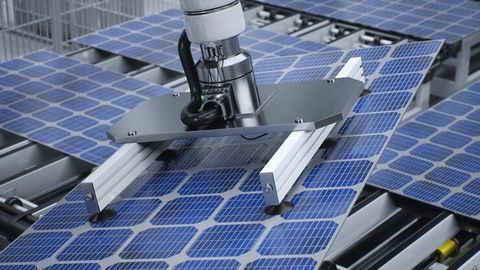
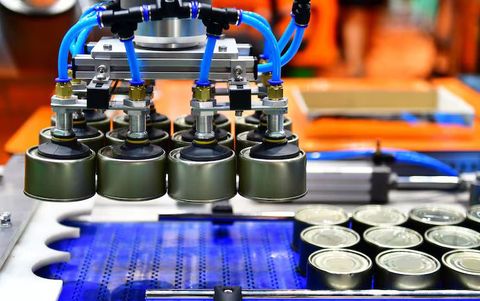
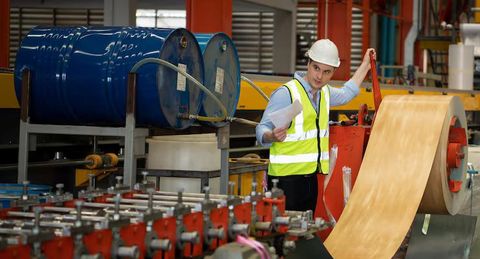
The development of LED technology began with small indicator lights used in electronic devices. Over time, improvements in semiconductor materials and electronic engineering allowed LEDs to produce brighter and more efficient lighting suitable for large-scale applications. As energy efficiency became more important globally, LED light manufacturing expanded rapidly across multiple industries.
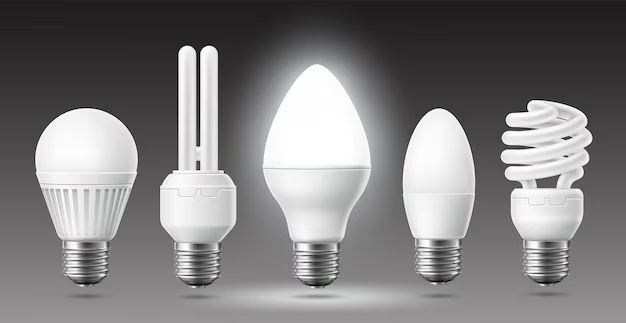
An LED light manufacturing business typically involves component assembly, circuit integration, housing production, testing, and quality inspection. Production facilities may manufacture products such as LED bulbs, tube lights, panel lights, floodlights, streetlights, and smart lighting systems. These operations combine electronics manufacturing, plastic or metal component fabrication, and automated assembly processes.
Importance
LED light manufacturing is important because lighting systems are part of everyday infrastructure and industrial operations. Modern lighting technologies support energy management, public safety, industrial productivity, and digital building systems.
Energy Efficiency and Electricity Management
LED lighting systems generally use less electrical power compared to older lighting technologies. Many industries, commercial buildings, and municipalities use LED systems to improve energy efficiency and reduce electricity consumption.
LED lighting is commonly used in:
| Sector | Lighting Application | Purpose |
|---|---|---|
| Residential Buildings | Indoor lighting | Household illumination |
| Industrial Facilities | High-bay lighting | Factory visibility |
| Public Infrastructure | Street lighting | Road safety |
| Commercial Buildings | Office lighting | Workspace illumination |
| Automotive Industry | Vehicle lighting systems | Signal and visibility functions |
Energy-efficient lighting systems are increasingly connected to sustainability planning and infrastructure modernization.
Long-Term Industrial Applications
LED lighting products are designed for continuous operation in industrial and commercial environments. Manufacturing plants, warehouses, hospitals, and transportation facilities often use LED systems because they support stable lighting performance and lower maintenance frequency.
Industrial environments commonly use:
- Panel lighting systems
- Warehouse high-bay lights
- Outdoor floodlights
- Emergency lighting systems
These applications are important in workplaces requiring consistent visibility and operational safety.
Smart Infrastructure Development
Smart lighting applications are becoming more common in cities, office buildings, and industrial automation systems. LED lights can now be connected to sensors, timers, wireless networks, and centralized monitoring platforms.
Examples include:
- Motion-controlled lighting
- Remote brightness adjustment
- Automated street lighting systems
- Energy monitoring integration
These technologies support digital infrastructure and smart building management.
Production Process
LED light manufacturing combines electronics assembly, component processing, and quality inspection procedures.
Raw Material and Component Preparation
The production process begins with preparing electronic and structural components used in LED lighting systems.
Common materials include:
- LED chips
- Printed circuit boards (PCBs)
- Drivers and power supplies
- Plastic or aluminum housings
- Heat sinks
- Diffusers and lenses
Material quality is important for lighting stability and heat management.
PCB Assembly
Printed circuit boards are assembled with electronic components that control power distribution and lighting performance. Automated surface-mount technology machines are often used during this stage.
PCB assembly may involve:
- Solder paste application
- Component placement
- Reflow soldering
- Circuit inspection
These electronic systems regulate voltage and support LED functionality.
LED Module Integration
LED chips and modules are mounted onto the circuit boards and connected to heat management structures. Proper heat dissipation is important because excessive heat can affect lighting efficiency and component lifespan.
Heat management systems may include:
- Aluminum heat sinks
- Thermal pads
- Ventilation structures
Housing and Fixture Assembly
After electronic integration, the lighting components are assembled into protective housings. The housing material depends on the lighting application and environmental conditions.
Examples include:
- Plastic bulb casings
- Metal industrial fixtures
- Waterproof outdoor enclosures
- Glass or acrylic covers
Assembly lines may use automated fastening and inspection equipment.
Testing and Quality Inspection
LED lighting products undergo electrical and performance testing before packaging and distribution.
Testing procedures may include:
- Brightness measurement
- Voltage testing
- Heat resistance inspection
- Power consumption analysis
- Safety verification
Quality inspection helps maintain operational consistency across production batches.
Equipment Used in LED Manufacturing
LED light manufacturing facilities use specialized equipment for electronics assembly, testing, and product finishing.
SMT Machines
Surface-mount technology machines place electronic components onto printed circuit boards with high precision. These systems support large-scale electronics production.
Reflow Soldering Equipment
Reflow ovens heat solder materials to create electrical connections between components and circuit boards.
Injection Molding Machines
Plastic housings and lighting covers are often produced using injection molding systems. These machines shape plastic materials into lighting fixtures and structural parts.
Testing and Inspection Systems
Manufacturers use digital testing equipment to evaluate lighting performance and electrical safety.
Common inspection systems include:
- Optical inspection cameras
- Electrical testing stations
- Thermal analysis equipment
- Automated brightness measurement systems
Packaging Equipment
Packaging machinery is used to prepare finished LED products for transportation and storage. Automated systems may handle labeling, sealing, and carton packing operations.
Smart Lighting Applications
Smart lighting systems combine LED technology with digital controls, wireless communication, and automation features.
Smart Homes and Buildings
Residential and commercial buildings increasingly use connected lighting systems that can be controlled through mobile applications or centralized management platforms.
Functions may include:
- Brightness adjustment
- Scheduled lighting control
- Occupancy sensing
- Energy monitoring
Industrial Automation
Factories and warehouses use smart LED systems integrated with industrial automation platforms.
Applications include:
- Automated warehouse lighting
- Motion-sensitive factory lighting
- Energy-efficient production facilities
- Safety lighting systems
Smart City Infrastructure
Cities are adopting connected street lighting systems that support energy management and urban monitoring.
Smart city lighting may include:
- Remote lighting controls
- Traffic-responsive illumination
- Environmental sensors
- Maintenance monitoring systems
Healthcare and Educational Facilities
Hospitals, laboratories, and educational institutions use LED lighting systems designed for controlled visibility and reduced energy consumption.
Recent Updates
Between 2024 and 2026, LED light manufacturing and smart lighting applications continued evolving through digital integration, sustainability efforts, and improved semiconductor technology.
Growth of Smart Lighting Systems
Connected lighting systems became more common in homes, offices, industrial facilities, and public infrastructure projects.
Recent developments include:
- Wireless lighting controls
- Cloud-based lighting management
- Sensor-integrated lighting systems
- Automated brightness optimization
Improved Energy Efficiency
Manufacturers continue developing LED products with improved energy performance and reduced heat generation. Semiconductor advancements are supporting more compact and efficient lighting designs.
Expansion of Industrial Automation
LED production facilities increasingly use robotic assembly systems and automated inspection technologies to improve manufacturing consistency.
Sustainable Manufacturing Focus
Lighting manufacturers are also focusing on recyclable materials, energy-efficient production methods, and reduced packaging waste.
Laws or Policies
LED light manufacturing is influenced by electrical safety standards, environmental regulations, and energy-efficiency policies.
Electrical Safety Regulations
Lighting products generally require compliance with electrical and fire safety standards before entering commercial distribution channels.
Requirements may include:
- Voltage safety testing
- Heat resistance analysis
- Insulation verification
- Electrical leakage inspection
Energy Efficiency Policies
Many governments promote energy-efficient lighting systems through infrastructure modernization and energy conservation programs.
Policies may focus on:
- Reduced electricity consumption
- Public lighting upgrades
- Energy performance labeling
- Industrial energy standards
Environmental Regulations
Environmental regulations may also influence LED manufacturing through requirements related to:
- Electronic waste management
- Recycling programs
- Hazardous material handling
- Packaging waste reduction
Tools and Resources
Several digital tools and technical systems support LED light manufacturing and smart lighting management.
Lighting Design Software
Engineers use lighting simulation software to evaluate illumination patterns and fixture placement for buildings and industrial environments.
PCB Design Platforms
Electronic design software supports circuit board development and LED driver integration.
Smart Lighting Management Systems
Connected lighting platforms help monitor energy consumption and automate lighting controls in commercial and industrial facilities.
Testing and Calibration Equipment
Manufacturers use optical and electrical testing systems to verify brightness, color temperature, and product performance.
FAQs
What is LED light manufacturing?
LED light manufacturing is the process of producing lighting products using light-emitting diode technology, electronic circuits, and protective housings.
Which equipment is used in LED light manufacturing?
Common equipment includes SMT machines, soldering systems, injection molding machines, testing stations, and automated packaging equipment.
What are smart lighting applications?
Smart lighting applications use LED systems connected to sensors, wireless networks, and automation platforms for remote control and energy management.
Why are LED lights used in industrial applications?
LED lights are used in industrial environments because they support energy efficiency, stable illumination, and long operating performance in factories and warehouses.
How are LED lighting products tested during manufacturing?
Manufacturers test LED products through brightness analysis, electrical safety checks, heat resistance testing, and performance inspection procedures.
Conclusion
LED light manufacturing combines electronics production, automated assembly, and quality inspection processes to create modern lighting systems used across residential, industrial, and infrastructure environments. LED technology supports energy-efficient lighting, digital building systems, and smart city applications through advanced semiconductor and automation technologies. Manufacturing facilities use specialized equipment for PCB assembly, fixture production, testing, and packaging operations. Recent developments in smart lighting, industrial automation, and sustainability continue shaping the lighting industry. Regulations and energy-efficiency standards also influence how LED products are designed, manufactured, and applied across different sectors.