Then the delivery trailers arrive at the factory gate, and the trouble begins.
Running renewable projects across Gujarat’s manufacturing belts teaches you very quickly that solar plants do not live inside spreadsheets. They live on hot, vibrating tin roofs and in the bureaucratic queues of DISCOM sub-division offices. The actual job of a consultant isn't picking panels off a spec sheet; it's catching the unglamorous technical flaws that turn a profitable green asset into an operational headache.
1. Ground Truth at the Site: Why Panels Go Where They Go
A site survey is treated by most sales-driven EPCs as a photo-op. Someone flies a drone across the shed and pastes a maximum-capacity panel layout onto the image. That is wallpaper design, not engineering.
A real survey starts inside the plant's main LT room. Two years ago, on a site near Sanand, we halted a 120 kW rooftop addition immediately. The factory had added three CNC machines six months prior. The main busbar was visibly discolored from chronic heat stress. Feeding 120 kW of backfed solar power directly into that overloaded panel would have caused a busbar fire.
Then there is the shadow landscape. Everyone notices the water tank. Almost nobody calculates the seasonal shadow of a 1.5-meter ventilation chimney or an exhaust hood discharging acidic fumes. Physical survey work means walking the purlins, mapping cable routes around crane gantries, and checking soil resistivity before ordering an inch of metal.
2. The Shed Reality: Rust, Trusses, and Coastal Winds
Industrial sheds in Western India are built for shelter, not for bearing heavy secondary loads. In areas like Sachin GIDC, sheds built a decade ago used bare-minimum structural steel.
A solar array adds about 12 to 15 kg per square meter of dead weight. Most factory owners think that's nothing. They forget about the guys carrying heavy panels across the roof during maintenance, or the water that pools up during the monsoon. And they definitely forget about the wind. During Cyclone Tauktae a few years ago, I saw roofs ripped entirely off the factory walls. It wasn't the solar clamps that failed. The wind just yanked the rusted J-bolts right out of the weak purlins.
If you don't send a structural engineer up there with a thickness gauge first, you're asking for trouble. If chemical fumes from the factory floor have eaten away the steel trusses, you have to reinforce that roof before touching a single solar panel. If the client won't pay for the civil retrofitting, drop the project.
3. Load Curves vs. Generation Peaks: The Billing Trap
Sizing a commercial solar plant based on twelve aggregated monthly bills is a massive financial trap. Industrial tariffs are asymmetric.
A textile unit running 24/7 has a flat base load; every kilowatt-hour generated at midday is consumed internally, saving them ₹8.00 per unit. But consider a batch chemical unit operating predominantly during night hours to capture off-peak grid tariffs. If they install a massive 500 kW system, midday power flows backward into the grid.
Here is the billing reality: under current net-metering frameworks, the utility company credits exported power at the Average Pooled Purchase Cost (APPC), which is a measly ₹2.80 to ₹3.50 per unit. Worse, banking that power comes with severe settlement haircuts. If you size a plant so poorly that 40% of its generation is dumped back onto the grid at APPC rates, your quick 3.5-year payback suddenly stretches out to 8 years. You must size the array to hug the daytime baseline consumption valley, using 15-minute interval TOD meter logs.
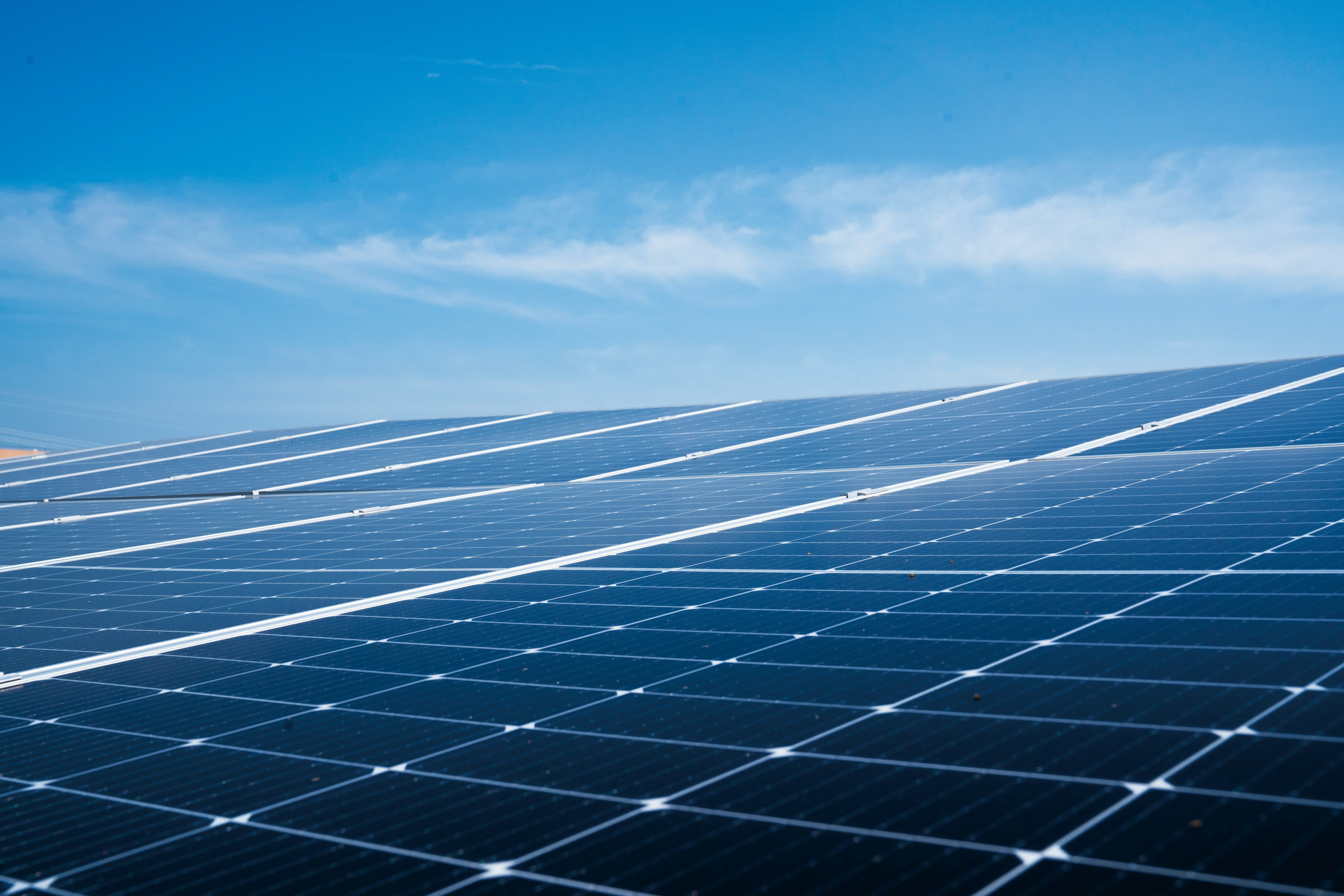
4. The Balance of System: Where Plants Actually Fail
Clients spend weeks arguing whether to buy 550W or 585W TOPCon modules, chasing fractional efficiency gains. But modules rarely cause plant shutdowns. The Balance of System (BOS) is where the real fires start.
If you trace the DC power from the roof down to the factory floor, you realize how many points of failure exist. The power travels through cables baking in the sun. If they aren't UV-resistant and halogen-free, their insulation will crack. The power then hits the Array Junction Box. If the contractor skipped installing proper Type II Surge Protection Devices, a single lightning strike can fry the setup.
From the junction box, power goes to the string inverter. If that inverter wasn't sized to handle 45°C ambient heat, it will derate and choke during a peak summer afternoon. Finally, every piece of this equipment must be grounded to an independent chemical earth pit registering less than 1 Ohm of resistance.
Additionally, in coastal belts like Dahej, standard pre-galvanized structures begin rusting within two monsoons. We mandate 80-micron hot-dip galvanizing for heavy channel sections. If an EPC cuts corners on just one of these links, the panels won't save you.
5. Navigating DISCOM and the Bureaucratic Slog
Engineering is only half the timeline of a rooftop project in India. The other half is liaisoning.
A typical industrial connection requires online portal filing, technical drawing approval from the CEIG (Chief Electrical Inspector to the Government), physical factory inspections, and TOD meter testing. If your consultant waits until the physical installation is complete before filing the CEIG safety dossier, the client will sit with crores of rupees of idle metal on their roof for two months. Experienced project management means civil anchors are poured on the roof the exact same week the initial feasibility paperwork is logged into the utility's portal.
6. Financial Structuring and Cash Flows
The whole "quick payback" pitch only works if your CA actually understands solar. The only reason commercial solar math is so aggressive in India is Section 32 of the Income Tax Act. If your factory is turning a profit, you can write off 40% of the plant's value in the very first year. That accelerated depreciation is a massive chunk of upfront cash saved.
But here is where people get burned. Say you take an 11% SME loan to build the plant. The bank demands the exact same EMI every single month. But your solar plant doesn't care about your EMI schedule. During July and August, when the monsoon rolls in, your generation will drop by a solid 35%. If we don't warn the factory's CFO about this two-month cash flow crunch, the project instantly becomes a financial liability the moment it rains.
7. The Thermal Reality: Gujarat’s Heat and Dust
Computer simulations run through PVsyst systematically overestimate generation in Western India because they ignore ground realities.
In industrial belts like Naroda, ambient temperatures surpass 44°C from April through June. Module surface temperatures easily spike past 65°C. Crystalline silicon panels lose roughly 0.35% of their output efficiency for every degree above 25°C. If string voltages were sized too short during the winter design phase, the DC voltage will fall below the inverter's MPPT operating window during May afternoons, forcing the inverter to trip.
Then there is industrial soiling. Dust in an industrial estate is sticky, particulate-laden, and mixed with oil from boiler stacks. If you don't install an integrated high-pressure water loop with permanent walkways, maintenance crews will skip washing. A two-month cleaning lapse destroys generation by 20%.
The Real Scope of Work
Industrial solar consulting isn't about slick pitch decks. It means climbing onto greasy roofs, challenging structural drawings, forcing EPCs to use thicker cables, and ensuring that twenty years from now, that shed is still standing and the factory is quietly generating its own power.