Whether you’ve seen breathtaking aerial videos or heard about drones in agriculture and surveillance, the interest around drones continues to grow.
This guide is designed to fully satisfy your search for “drones” by explaining what they are, how they work, the different types available, their real-world applications, and the legal rules you should know. By the end, you’ll have a complete understanding of drones from both a beginner and practical perspective.
What Are Drones and Why They Matter
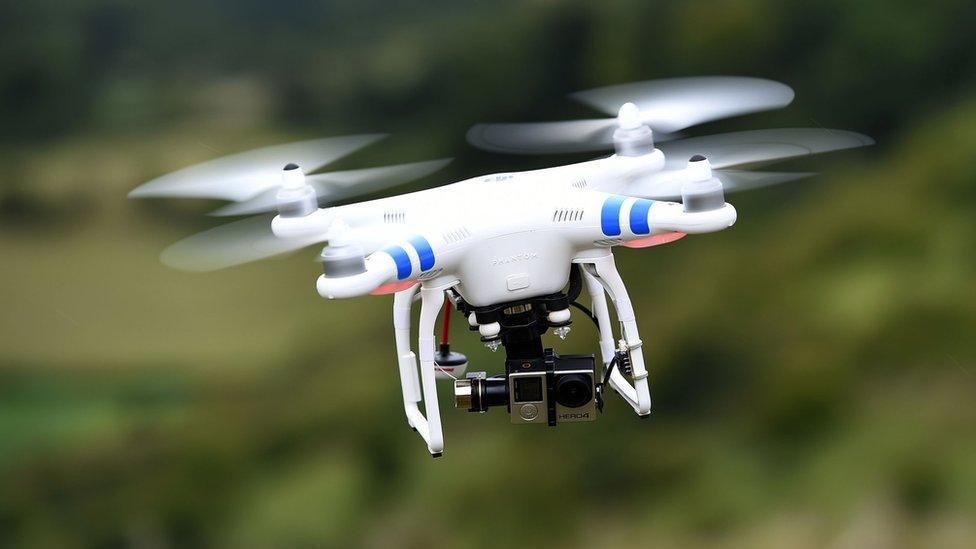
Drones, also known as unmanned aerial vehicles (UAVs), are aircraft that operate without a human pilot onboard. They are controlled remotely or fly autonomously using pre-programmed software and sensors.
The importance of drones lies in their ability to reach places that are difficult, dangerous, or time-consuming for humans. From capturing cinematic footage to assisting in disaster response, drones are reshaping how tasks are performed across multiple sectors.
Types of Drones Explained
Understanding the different types of drones helps you choose the right one based on your needs and use cases.
Multi-Rotor Drones
Multi-rotor drones are the most common type. They include quadcopters, hexacopters, and octocopters.
These drones are widely used for:
- Aerial photography and videography
- Real estate visuals
- Beginner-level flying
They are easy to control, stable in flight, and ideal for short-duration tasks.
Fixed-Wing Drones
Unlike multi-rotor drones, fixed-wing drones resemble airplanes. They use wings instead of rotors for lift.
Key characteristics include:
- Longer flight times
- Higher speeds
- Greater coverage areas
These drones are often used in mapping, surveying, and agricultural monitoring.
Single-Rotor Drones
Single-rotor drones are similar to helicopters. They have one large rotor and a smaller tail rotor.
They are more efficient than multi-rotor drones and can carry heavier payloads. However, they require more skill to operate.
Hybrid Drones
Hybrid drones combine the features of fixed-wing and multi-rotor drones. They can take off vertically and then switch to forward flight.
These drones are gaining popularity in advanced industrial applications due to their versatility.
How Drones Work: A Simple Breakdown
To truly understand drones, it’s important to know how they function.
Flight Control System
The flight controller acts as the brain of the drone. It processes data from sensors and adjusts motor speeds to maintain stability and direction.
Propulsion System
Motors and propellers generate thrust. By varying the speed of each propeller, drones can move in different directions.
Sensors and Navigation
Modern drones use a combination of sensors, including:
- GPS for positioning
- Gyroscopes for balance
- Accelerometers for motion detection
These sensors allow drones to hover, navigate, and return to their starting point automatically.
Remote Control and Software
Drones can be controlled via remote controllers or mobile applications. Advanced models use intelligent flight modes, enabling features like automated tracking and waypoint navigation.
Common Uses of Drones in Real Life
Drones are no longer limited to hobbyists. Their applications span across multiple industries.
Aerial Photography and Videography
One of the most popular uses of drones is capturing stunning aerial visuals. Filmmakers, content creators, and event planners rely on drones for unique perspectives.
Agriculture and Farming
Farmers use drones to monitor crop health, analyze soil conditions, and optimize irrigation. This improves productivity and reduces manual effort.
Construction and Infrastructure
Drones assist in site inspections, progress tracking, and 3D mapping. They provide accurate data without requiring physical access to difficult locations.
Emergency Response and Rescue
In disaster situations, drones help locate survivors, assess damage, and deliver critical supplies. Their speed and accessibility make them invaluable in emergencies.
Security and Surveillance
Drones are widely used for monitoring large areas, including borders, industrial sites, and public events. They enhance situational awareness and safety.
Drone Laws and Regulations You Should Know
Operating drones responsibly requires understanding the rules and regulations in your region.
Registration Requirements
Many countries require drones above a certain weight to be registered with aviation authorities. This helps track ownership and ensures accountability.
No-Fly Zones
Drones are restricted in certain areas, such as:
- Airports
- Military zones
- Government buildings
Flying in restricted zones can lead to penalties and safety risks.
Altitude and Distance Limits
Most regulations limit how high and how far drones can fly. These rules are designed to prevent interference with manned aircraft.
Privacy Considerations
Using drones for recording or surveillance must respect individual privacy. Always be mindful of where and how you operate your drone.
Key Features to Look for in Drones
When exploring drones, understanding their features can help you make informed decisions.
Camera Quality
High-resolution cameras are essential for photography and videography. Look for features like stabilization and adjustable settings.
Battery Life
Flight time varies between drones. Longer battery life allows extended operations without interruptions.
GPS and Navigation
GPS-enabled drones offer better stability, accurate positioning, and safety features like return-to-home functionality.
Obstacle Avoidance
Advanced drones include sensors that detect obstacles and prevent collisions. This is especially useful for beginners.
Build Quality and Durability
Durable drones can withstand minor crashes and harsh conditions, making them more reliable for outdoor use.
Advantages and Limitations of Drones
Understanding both the benefits and limitations of drones provides a balanced perspective.
Advantages
- Access to hard-to-reach areas
- Time-efficient operations
- High-quality data collection
- Versatility across industries
Limitations
- Limited battery life
- Weather sensitivity
- Regulatory restrictions
- Learning curve for advanced models
The Future of Drones
The future of drones looks promising as technology continues to advance. Innovations in artificial intelligence, automation, and connectivity are expanding their capabilities.
Emerging trends include:
- Autonomous delivery systems
- Smart city integration
- Advanced aerial mapping
- Improved battery technologies
As these developments unfold, drones will become even more integrated into daily life and business operations.
Conclusion: Why Understanding Drones Matters
Drones are no longer just a technological novelty—they are essential tools shaping modern industries and everyday experiences. From capturing stunning visuals to solving real-world challenges, drones offer unmatched versatility and efficiency.
By understanding the different types of drones, how they work, their applications, and the rules governing their use, you are better equipped to explore this rapidly growing field with confidence.
Whether your interest in drones is driven by curiosity, professional needs, or technological fascination, this complete guide ensures you have all the foundational knowledge to move forward intelligently and responsibly.