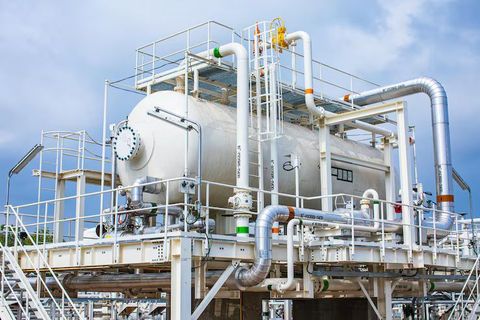
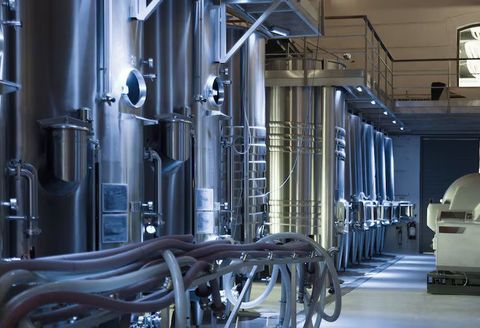
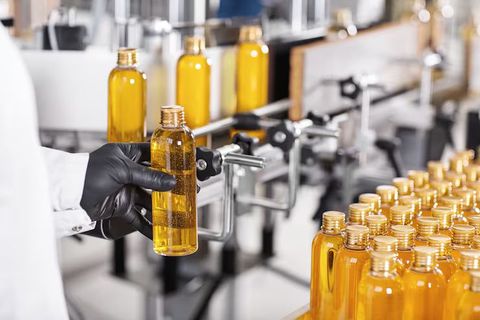
The development of lubricant oils expanded alongside industrial machinery and transportation systems during the industrial era. Early lubricants were produced from natural oils and animal fats, but modern manufacturing now relies on refined mineral oils, synthetic base oils, and engineered additive systems. Today, industrial lubricants are developed to support high temperatures, pressure conditions, and long operating cycles in complex machinery environments.
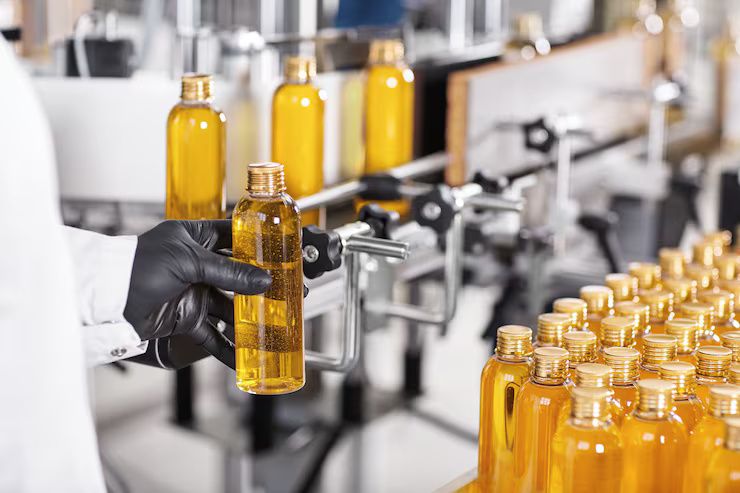
Lubricant oils are generally produced by combining base oils with performance additives that improve stability, viscosity, oxidation resistance, and equipment protection. Different formulations are developed for engines, hydraulic systems, compressors, turbines, gearboxes, and industrial processing equipment.
Common lubricant categories include:
- Engine oils
- Hydraulic oils
- Gear oils
- Compressor lubricants
- Industrial greases
- Turbine oils
- Marine lubricants
Lubricant manufacturing supports industries connected to transportation, heavy machinery, industrial automation, and infrastructure operations.
Importance
Lubricant oil manufacturing plays an important role in industrial productivity and machinery maintenance. Lubricants help reduce equipment damage, improve operational efficiency, and support smooth mechanical movement in industrial systems.
Friction and Wear Reduction
Lubricant oils create protective layers between moving machine components, helping reduce direct metal-to-metal contact during operation.
Industrial equipment using lubricants includes:
| Industry | Lubricant Application | Purpose |
|---|---|---|
| Automotive | Engine lubrication | Friction reduction |
| Manufacturing | Machine lubrication | Equipment protection |
| Construction | Hydraulic systems | Pressure management |
| Marine Industry | Engine systems | Corrosion control |
| Power Generation | Turbine lubrication | Heat reduction |
Proper lubrication supports equipment durability and operational consistency.
Heat and Corrosion Control
Lubricants also help transfer heat away from machinery components and reduce oxidation caused by moisture and environmental exposure.
Common functions include:
- Heat dissipation
- Rust prevention
- Surface cleaning
- Deposit control
These properties are important in high-temperature industrial environments.
Support for Industrial Operations
Factories, transportation systems, and heavy-duty machinery depend on lubrication systems for continuous operation. Lubricants are used in rotating equipment, conveyor systems, compressors, pumps, and production machinery.
Examples of industrial applications include:
- Assembly line machinery
- Mining equipment
- Agricultural machinery
- Industrial gear systems
- Power plant turbines
Lubrication management is closely connected to industrial maintenance and equipment performance.
Production Process
Lubricant oil manufacturing involves refining, blending, additive integration, filtration, and quality inspection processes.
Base Oil Preparation
The process begins with selecting base oils that form the primary component of the lubricant. Base oils may be produced through petroleum refining or synthetic chemical processes.
Main base oil categories include:
- Mineral base oils
- Synthetic base oils
- Semi-synthetic blends
Different base oils are selected depending on viscosity, temperature performance, and industrial application requirements.
Additive Selection
Additives are mixed with base oils to improve lubricant performance and operational stability.
Common additive categories include:
- Anti-wear additives
- Oxidation inhibitors
- Corrosion protection agents
- Viscosity improvers
- Detergent additives
Each additive contributes specific protective or performance-related properties.
Blending Technology
Blending is one of the most important stages in lubricant manufacturing. Controlled mixing systems combine base oils and additives in precise ratios to create the final lubricant formulation.
Blending operations commonly use:
- Mixing tanks
- Agitators
- Temperature control systems
- Automated dosing equipment
Accurate blending helps maintain product consistency and performance standards.
Filtration and Purification
After blending, lubricant oils pass through filtration systems that remove contaminants and unwanted particles.
Filtration processes may include:
- Fine particle removal
- Moisture separation
- Sediment filtration
Clean lubricant products help support machinery protection and fluid stability.
Packaging and Inspection
Finished lubricants undergo laboratory testing and quality inspection before packaging.
Testing procedures may involve:
- Viscosity analysis
- Temperature stability testing
- Oxidation resistance checks
- Contamination analysis
After inspection, lubricants are filled into containers, drums, or industrial storage systems for distribution.
Blending Technology
Blending technology is a central part of modern lubricant manufacturing because different industrial applications require specific fluid characteristics.
Automated Blending Systems
Modern lubricant facilities increasingly use automated blending equipment connected to digital monitoring systems.
Automated systems help manage:
- Ingredient measurement
- Mixing temperature
- Batch consistency
- Production records
Digital controls support operational accuracy during large-scale manufacturing.
Temperature and Viscosity Control
Lubricant blending often requires controlled heating and mixing conditions to maintain proper viscosity and additive distribution.
Important blending factors include:
- Mixing speed
- Fluid temperature
- Additive compatibility
- Batch timing
These conditions influence lubricant performance and storage stability.
Quality Monitoring During Blending
Manufacturers use laboratory analysis and digital monitoring tools to evaluate lubricant properties during production.
Monitoring systems may track:
- Viscosity levels
- Density measurements
- Chemical balance
- Fluid stability
Consistent monitoring supports industrial quality management.
Industrial Applications
Lubricant oils are used across many industries where machinery and moving mechanical systems require protection and operational stability.
Automotive Industry
Automotive lubricants are used in engines, transmissions, brakes, and cooling systems.
Common automotive lubricant applications include:
- Passenger vehicle engines
- Commercial transport systems
- Heavy-duty trucks
- Construction vehicles
Manufacturing and Industrial Machinery
Factories use industrial lubricants for production equipment, conveyor systems, bearings, and gear assemblies.
Industrial systems requiring lubrication include:
- CNC machines
- Compressors
- Hydraulic presses
- Industrial pumps
Marine and Shipping Operations
Marine lubricants are designed to support engines and mechanical systems operating under saltwater and high-load conditions.
Applications include:
- Ship engines
- Marine gear systems
- Offshore machinery
Energy and Power Generation
Power generation facilities use lubricants in turbines, generators, and rotating equipment operating under continuous workloads.
Recent Updates
Between 2024 and 2026, lubricant oil manufacturing continued evolving through automation, sustainability initiatives, and advanced fluid technology development.
Growth of Synthetic Lubricants
Industries increasingly use synthetic lubricants designed for improved temperature stability and extended operational performance.
Applications include:
- High-performance engines
- Industrial turbines
- Electric vehicle systems
Smart Monitoring and Predictive Maintenance
Lubrication systems are increasingly connected to digital monitoring technologies.
Recent developments include:
- Oil condition monitoring sensors
- Predictive maintenance platforms
- Remote equipment diagnostics
- Automated fluid analysis systems
These technologies support maintenance planning and equipment monitoring.
Focus on Sustainable Manufacturing
Manufacturers are also exploring environmentally managed lubricant production and recyclable packaging systems.
Research areas include:
- Bio-based lubricants
- Reduced-emission production methods
- Energy-efficient blending systems
Expansion of Industrial Automation
Automated blending systems and robotic packaging equipment continue improving production efficiency within lubricant manufacturing facilities.
Laws or Policies
Lubricant oil manufacturing is influenced by environmental regulations, industrial safety standards, and chemical handling requirements.
Environmental Regulations
Lubricant production facilities are generally regulated for:
- Waste oil management
- Chemical emissions
- Wastewater treatment
- Hazardous material storage
Environmental agencies monitor industrial compliance related to pollution management and disposal systems.
Product Quality Standards
Industrial lubricants may require compliance with technical standards related to:
- Viscosity performance
- Temperature stability
- Equipment compatibility
- Safety labeling
Workplace Safety Requirements
Manufacturing facilities typically follow safety regulations involving:
- Chemical handling
- Fire prevention systems
- Storage tank management
- Ventilation controls
Tools and Resources
Several technical tools and digital systems support lubricant oil manufacturing and industrial lubrication management.
Laboratory Testing Equipment
Manufacturers use testing systems to analyze lubricant properties and production quality.
Testing methods may include:
- Viscosity testing
- Flash point analysis
- Wear resistance evaluation
- Oxidation stability measurement
Production Monitoring Systems
Digital production platforms help monitor blending operations, ingredient usage, and batch records.
Lubrication Management Software
Industrial facilities often use maintenance software to track lubrication schedules and equipment performance.
Functions may include:
- Maintenance planning
- Oil analysis tracking
- Equipment monitoring
- Inventory management
FAQs
What is lubricant oil manufacturing?
Lubricant oil manufacturing is the industrial process of producing oils and fluid products used to reduce friction, control heat, and protect machinery components.
Which raw materials are used in lubricant production?
Lubricants are generally produced using mineral or synthetic base oils combined with chemical additives that improve fluid performance.
What is blending technology in lubricant manufacturing?
Blending technology involves mixing base oils and additives in controlled conditions to create lubricant formulations with specific properties.
Which industries use industrial lubricants the most?
Industries commonly using industrial lubricants include automotive manufacturing, construction, marine transportation, mining, power generation, and industrial production.
Why are synthetic lubricants becoming more common?
Synthetic lubricants are increasingly used because they can support improved temperature stability and operational performance in demanding industrial environments.
Conclusion
Lubricant oil manufacturing is an important industrial process supporting machinery protection, equipment performance, and heavy-duty industrial operations. The production process combines base oil preparation, additive integration, blending technology, filtration, and quality testing to create lubricants for automotive, manufacturing, marine, and power generation applications. Advances in synthetic fluids, digital monitoring, and automated blending systems continue influencing the lubricant industry. Environmental regulations and industrial safety standards also shape manufacturing practices and product management systems. As industrial machinery and transportation systems evolve, lubricants remain essential for mechanical operation and maintenance activities.