Solar panel production combines material processing, semiconductor technology, glass fabrication, and electrical assembly to create systems capable of generating electrical power from solar energy.
The development of solar technology began during the mid-20th century with research into semiconductor materials and photovoltaic cells. Over time, improvements in efficiency, manufacturing methods, and energy infrastructure expanded the use of solar panels across many sectors. Today, solar energy systems are part of global renewable energy development and are used in both small rooftop installations and utility-scale solar farms.
A solar panel consists of interconnected photovoltaic cells enclosed within protective materials such as tempered glass, polymer layers, and aluminum frames. These components work together to capture sunlight, generate direct current electricity, and support long-term outdoor operation under changing weather conditions.
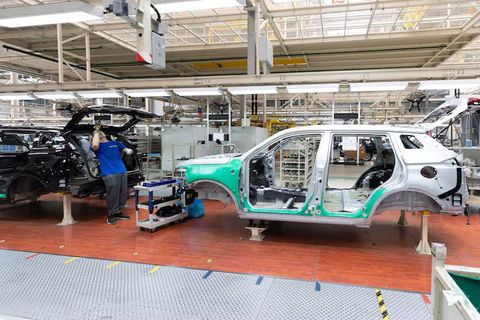
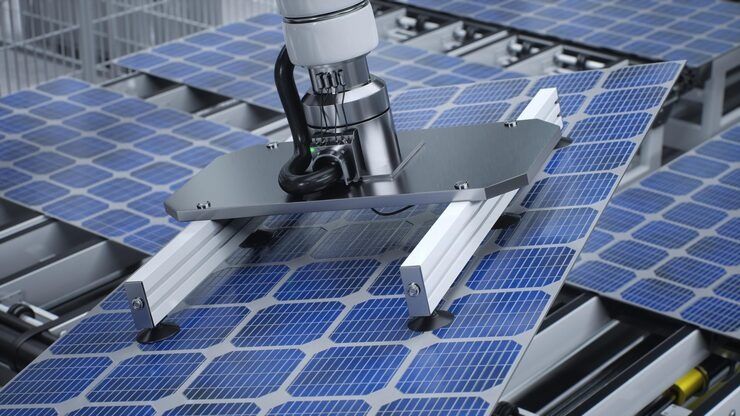
Modern solar panel manufacturing facilities use automated production lines, robotic handling systems, precision cutting equipment, and digital quality inspection technologies. These systems help maintain production consistency and support growing demand for renewable energy infrastructure.
Importance
Solar panel manufacturing is important because it supports renewable energy generation and reduces dependence on fossil fuel-based electricity systems. Photovoltaic technology is increasingly used in energy infrastructure, transportation systems, agriculture, and industrial operations.
Renewable Energy Development
Solar panels help generate electricity without combustion-based fuel consumption during operation. This supports renewable energy expansion in regions focusing on energy diversification and environmental management.
Renewable energy applications include:
| Application Area | Solar Panel Use | Purpose |
|---|---|---|
| Residential Buildings | Rooftop systems | Household electricity generation |
| Industrial Facilities | Large solar arrays | Energy supply support |
| Agriculture | Solar-powered irrigation | Water pumping systems |
| Public Infrastructure | Street lighting systems | Outdoor power generation |
| Utility Projects | Solar farms | Grid electricity production |
These applications contribute to broader energy infrastructure development.
Support for Energy Access
Solar power systems are used in areas with limited access to traditional electrical infrastructure. Smaller solar installations can support lighting, communication equipment, water systems, and remote monitoring devices.
Examples include:
- Rural electrification projects
- Off-grid communication systems
- Portable energy systems
- Agricultural monitoring equipment
Solar technology supports distributed energy generation in different environments.
Industrial and Economic Impact
Solar panel manufacturing also supports industrial production, material processing, electronics manufacturing, and renewable energy supply chains. Production facilities require raw materials, automation systems, glass processing equipment, and electrical component manufacturing.
Industries connected to solar manufacturing include:
- Semiconductor processing
- Aluminum fabrication
- Glass manufacturing
- Industrial automation
- Battery storage systems
Environmental and Infrastructure Planning
Many countries include solar energy development within long-term infrastructure and environmental planning programs. Solar energy systems are often combined with battery storage, smart grids, and electric vehicle charging infrastructure.
Manufacturing Process
The solar panel manufacturing process involves several stages ranging from raw material preparation to final electrical testing and assembly.
Silicon Production
Most photovoltaic cells are made using silicon, which is processed into highly purified material suitable for semiconductor applications. Silicon is melted and formed into cylindrical or block-shaped ingots.
The process generally includes:
- Silicon purification
- Crystal growth
- Ingot formation
- Material inspection
High-purity silicon is important for photovoltaic efficiency.
Wafer Cutting
Silicon ingots are sliced into thin wafers using precision cutting equipment. These wafers form the base material for photovoltaic cells.
Wafer processing may involve:
- Surface cleaning
- Thickness adjustment
- Edge smoothing
- Defect inspection
Thin wafer structures help improve material efficiency during production.
Solar Cell Manufacturing
The wafer undergoes several treatments to create photovoltaic properties capable of generating electricity when exposed to sunlight.
Key production stages include:
- Doping processes
- Surface texturing
- Anti-reflective coating application
- Electrical contact printing
These steps help improve light absorption and electrical conductivity.
Cell Assembly and Interconnection
Individual solar cells are connected together using conductive materials to form solar modules. The connected cells are arranged into panel layouts designed for electrical output and structural stability.
Assembly stages may include:
- Soldering electrical connections
- Layer positioning
- Encapsulation
- Protective sheet installation
Lamination and Framing
The solar module is sealed using lamination equipment that bonds the protective layers together. Aluminum frames and junction boxes are then attached to support installation and electrical connections.
Protective materials commonly include:
- Tempered glass
- Polymer back sheets
- Encapsulation films
These materials help protect the panel from moisture, dust, and weather exposure.
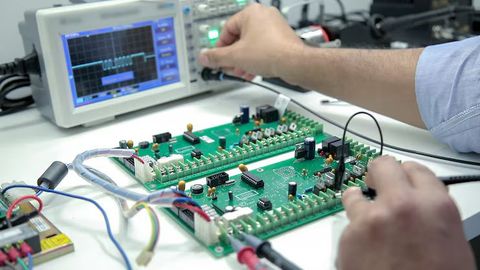
Testing and Inspection
Solar panels undergo testing procedures before distribution and installation.
Testing processes may include:
- Electrical output analysis
- Thermal resistance testing
- Mechanical load testing
- Weather exposure simulation
- Visual inspection
These procedures help evaluate durability and operational performance.
Production Technology
Modern solar panel production facilities use advanced manufacturing technologies to improve efficiency and production consistency.
Automated Manufacturing Systems
Automation plays an important role in photovoltaic production lines. Robotic systems handle wafer movement, cell placement, and assembly operations.
Automated systems support:
- High-speed production
- Reduced handling damage
- Consistent assembly quality
- Production monitoring
Smart Quality Inspection
Digital inspection systems use cameras and sensors to detect cracks, defects, and electrical irregularities during manufacturing.
Inspection technologies may include:
- Infrared imaging
- Electroluminescence testing
- Automated optical inspection
- AI-supported defect analysis
These systems help maintain quality control during production.
High-Efficiency Solar Cell Technology
Manufacturers continue developing advanced photovoltaic cell designs aimed at improving electrical performance and energy conversion efficiency.
Recent technologies include:
- Bifacial solar cells
- Thin-film solar technology
- Passivated cell structures
- Multi-layer photovoltaic systems
These technologies support renewable energy expansion and infrastructure development.
Renewable Energy Applications
Solar panels are used across residential, commercial, industrial, and infrastructure sectors.
Residential and Commercial Buildings
Rooftop solar systems help generate electricity for homes, offices, and commercial buildings. These systems are often connected to local electrical grids or battery storage units.
Industrial Energy Systems
Factories and industrial facilities increasingly use solar arrays to support operational electricity demand and energy management planning.
Industrial applications include:
- Manufacturing plants
- Warehousing facilities
- Cold storage operations
- Industrial water systems
Agricultural Applications
Agricultural operations use solar systems for irrigation pumps, greenhouse monitoring, and remote farming equipment.
Public Infrastructure
Governments and municipalities use solar panels in public infrastructure projects such as:
- Street lighting
- Transportation systems
- Traffic monitoring
- Public utility installations
Recent Updates
Between 2024 and 2026, solar panel manufacturing and renewable energy technologies continued evolving through efficiency improvements, automation, and energy storage integration.
Growth of High-Efficiency Panels
Manufacturers are developing photovoltaic technologies capable of generating more electricity from smaller surface areas.
Research areas include:
- Advanced silicon structures
- Tandem solar cells
- Improved light absorption materials
Expansion of Energy Storage Integration
Solar systems are increasingly combined with battery storage technologies to support stable energy supply during low sunlight periods.
Automation and AI Integration
Production facilities continue expanding the use of robotics and artificial intelligence for quality inspection, predictive maintenance, and production optimization.
Sustainable Manufacturing Efforts
Manufacturers are also focusing on recycling programs, energy-efficient production systems, and reduced material waste during solar panel manufacturing.
Laws or Policies
Solar panel manufacturing and renewable energy applications are influenced by environmental policies, energy regulations, and industrial standards.
Renewable Energy Programs
Many governments support renewable energy infrastructure through national energy planning programs and grid modernization initiatives.
Policy areas may include:
- Solar infrastructure expansion
- Energy transition planning
- Renewable energy targets
- Industrial sustainability programs
Product Certification Standards
Solar panels generally require compliance with technical standards related to:
- Electrical safety
- Weather resistance
- Structural durability
- Energy performance testing
Environmental Regulations
Manufacturing facilities may also follow regulations involving:
- Waste management
- Water usage
- Industrial emissions
- Recycling processes
Tools and Resources
Several technical tools and digital platforms support solar panel manufacturing and renewable energy planning.
Solar Design Software
Engineering software helps calculate panel layouts, electrical output, and installation planning.
Functions may include:
- Energy generation simulation
- System sizing
- Shading analysis
- Performance forecasting
Production Monitoring Systems
Manufacturing facilities use digital monitoring systems to track production speed, equipment performance, and quality inspection data.
Testing and Inspection Equipment
Specialized equipment is used to evaluate photovoltaic performance and material quality during production.
FAQs
What is the solar panel manufacturing process?
The solar panel manufacturing process involves silicon purification, wafer cutting, solar cell production, module assembly, lamination, framing, and electrical testing.
How do solar panels generate electricity?
Solar panels generate electricity by using photovoltaic cells that convert sunlight into direct current electrical energy.
Which materials are used in solar panel production?
Common materials used in solar panel production include silicon, tempered glass, aluminum, conductive metals, and polymer protective layers.
What are the main renewable energy applications of solar panels?
Solar panels are used in residential systems, industrial facilities, agricultural operations, utility-scale solar farms, and public infrastructure projects.
Why is automation important in solar panel manufacturing?
Automation helps improve production consistency, reduce material handling damage, and support high-speed photovoltaic manufacturing operations.
Conclusion
Solar panel manufacturing is an important part of renewable energy infrastructure and modern industrial production. The manufacturing process combines semiconductor technology, automated assembly systems, and material engineering to produce photovoltaic panels used across residential, industrial, and public sectors. Advances in production technology, automation, and energy storage integration continue shaping solar energy applications worldwide. Environmental regulations, technical standards, and renewable energy programs also influence how solar panels are manufactured and deployed. As renewable energy demand increases, solar technology remains closely connected to global energy transition efforts.