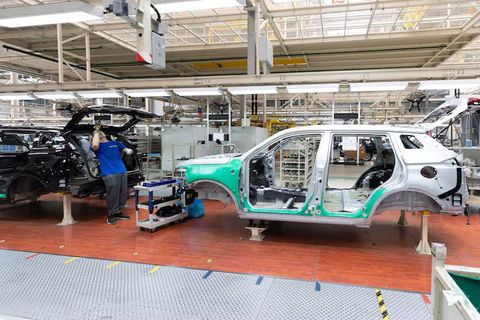
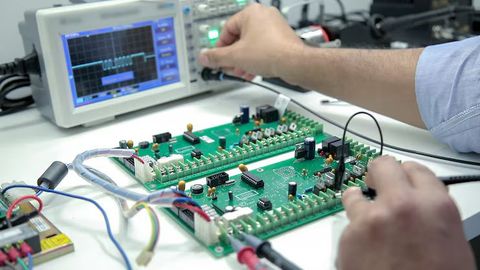
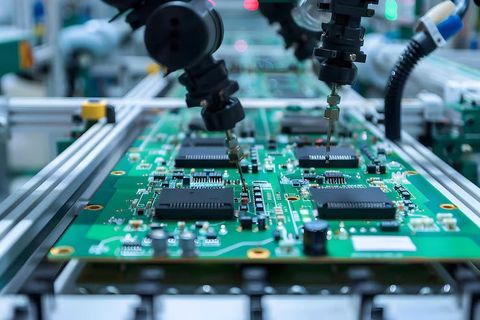
The electronics industry expanded rapidly during the 20th century as communication systems, computing technologies, and digital infrastructure became more common. Early electronic production focused on radios and simple circuit devices, while modern manufacturing facilities now produce advanced microprocessors, printed circuit boards, sensors, and connected smart devices. Today, electronics production systems are highly automated and operate in controlled environments designed for precision and quality management.
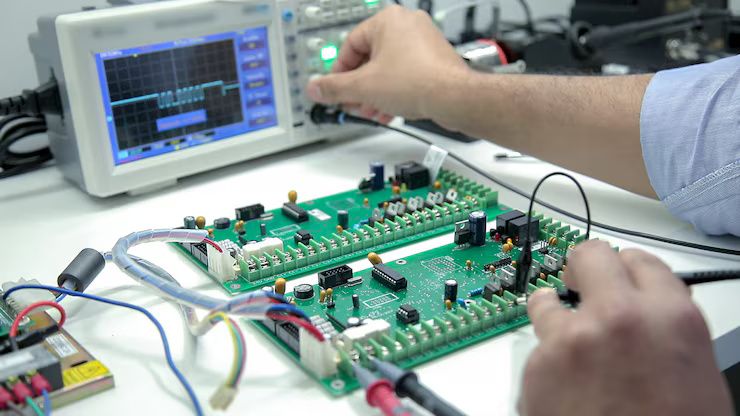
Electronics manufacturing involves several stages including component fabrication, circuit board assembly, soldering, testing, inspection, and final product integration. These processes support industries ranging from telecommunications and automotive systems to healthcare and industrial automation.
Importance
Electronics manufacturing plays an important role in modern economies and digital infrastructure. Electronic components are used in communication networks, transportation systems, industrial machinery, and household technology.
Support for Modern Technology
Most modern devices depend on electronic systems for data processing, communication, and automation. Electronics manufacturing supports the production of both consumer and industrial technologies.
Industries using electronic manufacturing systems include:
| Industry | Electronics Application | Purpose |
|---|---|---|
| Automotive | Control modules and sensors | Vehicle system management |
| Healthcare | Diagnostic equipment | Patient monitoring |
| Telecommunications | Network hardware | Data communication |
| Industrial Automation | PLC systems and robotics | Process control |
| Consumer Electronics | Smartphones and computers | Digital connectivity |
These technologies are integrated into everyday activities and industrial operations.
Industrial Automation and Smart Systems
Factories increasingly use electronic control systems for automation and monitoring. Sensors, programmable controllers, and digital interfaces help industries manage production more efficiently.
Examples include:
- Automated assembly systems
- Machine monitoring sensors
- Industrial robotics controls
- Smart warehouse systems
Electronics manufacturing supports the development of these connected industrial technologies.
Communication and Digital Infrastructure
Communication networks rely heavily on electronic components such as processors, routers, antennas, and signal management systems. Electronics manufacturing also supports internet infrastructure and cloud computing environments.
Electronic technologies are important for:
- Mobile communication networks
- Data centers
- Satellite systems
- Wireless connectivity equipment
Healthcare and Medical Equipment
Modern healthcare systems use electronic devices for imaging, diagnostics, monitoring, and laboratory operations. Electronic manufacturing helps produce medical instruments with precise operational capabilities.
Production Systems
Electronics production systems involve multiple manufacturing stages designed for precision assembly and quality control.
Printed Circuit Board Assembly
Printed circuit boards (PCBs) form the foundation of most electronic devices. Components such as resistors, capacitors, processors, and connectors are mounted onto circuit boards during assembly.
PCB assembly stages often include:
- Solder paste application
- Component placement
- Automated soldering
- Inspection and testing
These processes are commonly performed using automated production equipment.
Surface Mount Technology
Surface mount technology (SMT) is widely used in electronics manufacturing for placing miniature components directly onto circuit boards.
Advantages of SMT production include:
- Compact device design
- Faster assembly processes
- High component density
- Automated manufacturing compatibility
SMT systems are common in smartphone, computer, and communication device production.
Automated Assembly Lines
Modern electronics factories use automated production systems to improve manufacturing consistency and reduce manual handling.
Automated systems may include:
- Robotic component placement
- Conveyor transport systems
- Machine vision inspection
- Automated testing stations
These technologies support large-scale electronics production environments.
Testing and Quality Inspection
Electronic products undergo testing procedures before final assembly and distribution.
Testing methods may involve:
- Electrical performance testing
- Signal verification
- Thermal analysis
- Functional inspection
- Automated optical inspection
Quality control is important because electronic systems often contain highly sensitive components.
Electronic Components
Electronic manufacturing depends on a wide range of components that support electrical control, processing, and communication functions.
Semiconductors and Microchips
Semiconductors are essential electronic components used for computing, memory storage, and signal processing.
Common semiconductor applications include:
- Processors
- Memory chips
- Sensor systems
- Power management circuits
Semiconductor technologies support advanced computing and smart device functionality.
Passive Components
Passive electronic components help regulate electrical flow and signal stability within electronic circuits.
Examples include:
- Resistors
- Capacitors
- Inductors
- Transformers
These components are used in nearly all electronic devices.
Sensors and Connectivity Devices
Sensors collect environmental and operational data for smart systems and automation technologies.
Sensor applications include:
- Temperature monitoring
- Motion detection
- Pressure measurement
- Industrial automation systems
Connectivity devices such as antennas and wireless modules support digital communication networks.
Power Supply Systems
Electronic devices require stable power management systems to operate safely and efficiently.
Power-related components may include:
- Voltage regulators
- Battery management systems
- Power converters
- Charging circuits
Smart Technology Applications
Electronics manufacturing supports the development of smart technologies used across industrial, commercial, and consumer sectors.
Consumer Smart Devices
Smartphones, wearable devices, tablets, and home automation systems rely on advanced electronics manufacturing processes.
Common smart device features include:
- Wireless connectivity
- Sensor integration
- Touchscreen controls
- Data processing systems
Industrial Automation
Factories use electronic control systems for production monitoring, robotics, and process automation.
Industrial smart technologies include:
- Programmable logic controllers
- Machine vision systems
- Smart sensors
- Automated robotics systems
These technologies support industrial digitization and operational efficiency.
Smart Transportation Systems
Modern vehicles use electronic systems for navigation, safety, and energy management.
Applications include:
- Electric vehicle controls
- Driver assistance systems
- Battery monitoring
- Navigation interfaces
Healthcare Technology
Medical electronics manufacturing supports diagnostic imaging systems, patient monitoring devices, and laboratory automation equipment.
Smart healthcare applications include:
- Remote patient monitoring
- Medical imaging systems
- Wearable health sensors
- Digital diagnostic equipment
Recent Updates
Between 2024 and 2026, electronics manufacturing continued evolving through automation, artificial intelligence integration, and advanced semiconductor technologies.
Expansion of Artificial Intelligence Hardware
Demand for AI-enabled systems increased production of specialized processors and advanced computing hardware.
Recent developments include:
- AI accelerator chips
- Edge computing devices
- Smart industrial controllers
- High-performance graphics processors
Growth of Smart Factory Systems
Electronics manufacturers increasingly use connected factory technologies and digital production management systems.
Examples include:
- Predictive maintenance systems
- Real-time production tracking
- Automated defect detection
- Industrial Internet of Things platforms
Miniaturization of Electronic Components
Manufacturers continue developing smaller and more compact electronic devices while increasing processing capability and energy efficiency.
Sustainable Manufacturing Focus
Electronics production facilities are also focusing on energy-efficient manufacturing systems, recycling programs, and reduced material waste.
Laws or Policies
Electronics manufacturing is influenced by industrial regulations, environmental standards, and technology compliance requirements.
Environmental Regulations
Electronics manufacturers often follow regulations related to:
- Electronic waste management
- Chemical handling
- Recycling requirements
- Emission control systems
Environmental policies influence production methods and material usage.
Product Safety Standards
Electronic devices generally require testing and certification related to electrical safety and electromagnetic compatibility.
Standards may include:
- Electrical insulation testing
- Battery safety requirements
- Signal interference controls
- Thermal performance analysis
Data and Technology Regulations
Some electronic technologies are influenced by digital security regulations and international trade policies related to semiconductor production and communication systems.
Tools and Resources
Several technical tools and digital platforms support electronics manufacturing and product development.
PCB Design Software
Engineers use PCB design software to create electronic circuit layouts and manufacturing plans.
Functions may include:
- Circuit simulation
- Component placement
- Signal routing
- Thermal analysis
Manufacturing Execution Systems
Electronics factories use manufacturing execution systems to monitor production, equipment performance, and quality inspection processes.
Electronic Testing Equipment
Testing equipment helps manufacturers verify circuit functionality and product performance.
Common systems include:
- Oscilloscopes
- Signal analyzers
- Automated testing stations
- Thermal imaging systems
FAQs
What is electronics manufacturing?
Electronics manufacturing is the process of producing electronic devices and components through assembly, testing, inspection, and automated production systems.
What are the main components used in electronics manufacturing?
Common electronic components include semiconductors, processors, resistors, capacitors, sensors, connectors, and power management systems.
How do production systems improve electronics manufacturing?
Production systems improve manufacturing through automation, precision assembly, quality monitoring, and faster component processing.
Which industries use smart technology applications the most?
Industries commonly using smart technology applications include automotive manufacturing, healthcare, telecommunications, industrial automation, and consumer electronics.
Why is quality testing important in electronics manufacturing?
Quality testing helps identify electrical issues, component defects, and performance problems before electronic products are used in industrial or consumer environments.
Conclusion
Electronics manufacturing is an important part of modern technology development and industrial infrastructure. Production systems, electronic components, and automated assembly technologies support the creation of devices used across communication, healthcare, transportation, and industrial sectors. Advances in smart technology applications, artificial intelligence hardware, and semiconductor systems continue shaping the electronics industry. Environmental regulations, safety standards, and digital infrastructure requirements also influence manufacturing operations and product development. As connected technologies continue expanding, electronics manufacturing remains closely linked to global innovation and industrial growth.