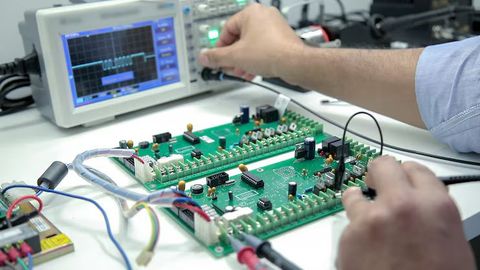
The semiconductor industry developed rapidly during the growth of modern electronics in the mid-20th century. Early semiconductor devices replaced larger vacuum tube systems, allowing electronic products to become smaller, faster, and more energy efficient. Over time, chip fabrication technologies evolved into highly advanced manufacturing processes involving cleanrooms, microscopic circuit design, and automated inspection systems.
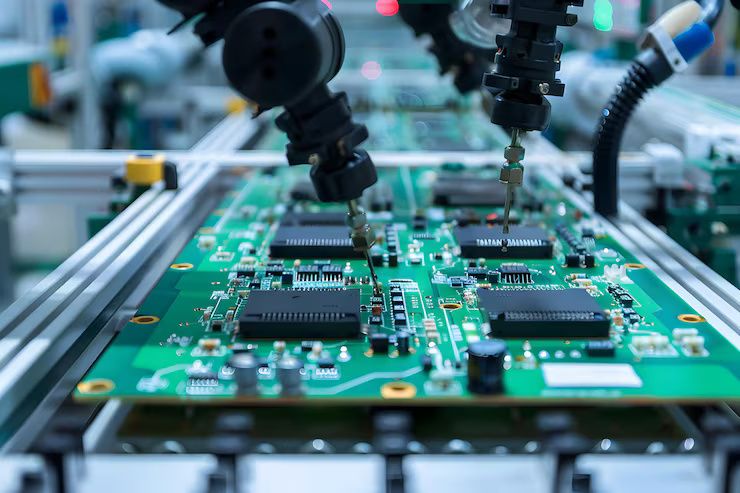
Modern semiconductor facilities produce a wide range of electronic components, including processors, memory chips, sensors, and power management devices. These components are used across multiple sectors such as consumer electronics, automotive manufacturing, industrial automation, renewable energy systems, healthcare equipment, and telecommunications infrastructure.
Semiconductor manufacturing facilities operate in controlled environments where temperature, humidity, and airborne particles are carefully managed. Even very small contaminants can affect chip performance during production.
Importance
Semiconductor manufacturing is important because semiconductor chips support modern digital infrastructure and electronic systems used in everyday life. From mobile devices to industrial machinery, many technologies depend on advanced semiconductor components.
Support for Consumer Electronics
Electronic devices used in homes, offices, and communication systems rely heavily on semiconductor chips for processing and data storage.
Common semiconductor applications include:
| Electronic Product | Semiconductor Function | Purpose |
|---|---|---|
| Smartphones | Mobile processors | Data processing |
| Computers | Memory and CPUs | System operation |
| Smart TVs | Graphics processors | Display management |
| Wearable Devices | Sensors and controllers | Device monitoring |
| Gaming Systems | Processing chips | Performance control |
Semiconductor manufacturing supports the growing demand for connected electronic products worldwide.
Industrial and Infrastructure Development
The electronics industry uses semiconductor devices in industrial automation systems, transportation networks, power management systems, and communication infrastructure.
Industrial applications include:
- Factory automation controls
- Robotics systems
- Smart grid equipment
- Renewable energy inverters
- Industrial monitoring sensors
These technologies help industries improve operational efficiency and digital connectivity.
Automotive Technology Expansion
Modern vehicles use semiconductor chips in engine management systems, battery control units, navigation systems, safety technologies, and driver assistance functions.
Electric vehicles especially depend on advanced semiconductor technologies for:
- Battery management
- Charging systems
- Power conversion
- Sensor integration
The automotive sector continues increasing semiconductor usage as transportation systems become more electronically controlled.
Data and Communication Networks
Cloud computing, artificial intelligence, and internet infrastructure rely on semiconductor processors capable of handling large amounts of digital information.
Semiconductor systems support:
- Data centers
- Wireless communication networks
- Satellite communication systems
- Internet infrastructure
- Artificial intelligence hardware
These technologies are closely connected to modern communication and computing systems.
Chip Fabrication Technologies
Chip fabrication technologies involve multiple highly controlled manufacturing stages designed to create microscopic electronic circuits on silicon wafers.
Silicon Wafer Production
The semiconductor manufacturing process begins with the production of silicon wafers. High-purity silicon is formed into cylindrical crystals and sliced into thin circular wafers.
Wafer preparation stages include:
- Crystal growth
- Wafer cutting
- Surface polishing
- Cleaning and inspection
These wafers become the foundation for integrated circuit production.
Photolithography Process
Photolithography is one of the most important chip fabrication technologies. This process transfers electronic circuit patterns onto the wafer surface using light-sensitive materials and ultraviolet light exposure.
The process generally involves:
- Applying photoresist coating
- Projecting circuit patterns
- Developing exposed surfaces
- Removing unwanted materials
Modern photolithography systems are capable of producing extremely small circuit structures required for advanced semiconductor devices.
Etching and Pattern Formation
After photolithography, etching technologies remove selected materials from the wafer to form circuit pathways and transistor structures.
Common etching methods include:
- Wet chemical etching
- Plasma etching
- Reactive ion etching
These techniques help shape the microscopic structures used in semiconductor circuits.
Doping and Ion Implantation
Doping changes the electrical properties of silicon by introducing controlled impurities into selected areas of the wafer. Ion implantation systems place these materials with high precision.
This process supports:
- Current control
- Signal switching
- Transistor operation
- Electrical conductivity adjustment
Accurate doping is important for chip performance and reliability.
Thin Film Deposition
Thin film deposition adds insulating and conductive layers onto semiconductor wafers. These layers help create electrical pathways and protective structures inside integrated circuits.
Deposition technologies include:
- Chemical vapor deposition
- Physical vapor deposition
- Atomic layer deposition
These methods are widely used in advanced chip manufacturing.
Testing and Packaging
After fabrication, semiconductor wafers are tested to identify functional chips. Working chips are separated and enclosed within protective packages.
Packaging stages may include:
- Wire bonding
- Encapsulation
- Thermal management installation
- Electrical inspection
Packaged semiconductor devices are then integrated into electronic products and industrial systems.
Electronics Industry Applications
Semiconductor manufacturing supports a broad range of electronics industry applications across commercial, industrial, and scientific sectors.
Consumer Electronics Industry
Consumer electronics remain one of the largest semiconductor application sectors. Smartphones, laptops, tablets, gaming systems, and wearable devices all depend on semiconductor processors and memory systems.
Important semiconductor components include:
- Central processing units
- Graphics processors
- Flash memory chips
- Wireless communication modules
Industrial Automation Systems
Factories and industrial facilities use semiconductor devices in automated machinery, robotics systems, and process monitoring equipment.
Applications include:
- Programmable controllers
- Industrial sensors
- Machine vision systems
- Automated production controls
Semiconductor technologies help industries support digital manufacturing operations.
Healthcare and Medical Equipment
Medical equipment uses semiconductor systems for monitoring, imaging, and diagnostic functions.
Examples include:
- Medical imaging devices
- Patient monitoring systems
- Laboratory equipment
- Portable healthcare electronics
Semiconductor components support precision and data processing in healthcare technologies.
Renewable Energy Systems
Renewable energy equipment uses semiconductor technologies for energy conversion and electrical management.
Applications include:
- Solar power inverters
- Wind turbine controls
- Battery storage systems
- Smart energy management devices
These systems help manage electricity generation and distribution.
Recent Updates
Between 2024 and 2026, semiconductor manufacturing and chip fabrication technologies continued evolving through advanced processing methods, artificial intelligence integration, and supply chain investments.
Expansion of Artificial Intelligence Hardware
Demand for AI-related semiconductor processors increased due to growth in machine learning systems and data center infrastructure.
Recent developments include:
- AI accelerator chips
- High-bandwidth memory systems
- Advanced graphics processors
- Energy-efficient computing technologies
Growth of Advanced Packaging Technologies
Manufacturers are developing new semiconductor packaging methods that improve performance and thermal management.
Packaging innovations include:
- Multi-chip integration
- 3D chip stacking
- Compact packaging systems
- Improved heat dissipation structures
Regional Manufacturing Expansion
Several countries expanded semiconductor manufacturing programs to strengthen domestic electronics production and reduce supply chain dependence.
Investment areas include:
- Fabrication facility construction
- Research laboratories
- Workforce training
- Advanced chip production equipment
Sustainable Manufacturing Efforts
Semiconductor facilities are increasingly focusing on environmental management and resource efficiency.
Current sustainability trends include:
- Water recycling systems
- Energy-efficient cleanroom operations
- Chemical waste reduction
- Emission management improvements
Laws or Policies
Semiconductor manufacturing is influenced by industrial regulations, trade policies, environmental laws, and workplace safety standards.
Environmental Regulations
Semiconductor production facilities follow environmental requirements related to:
- Chemical handling
- Wastewater treatment
- Air emissions management
- Hazardous material disposal
These regulations help reduce environmental impact during manufacturing operations.
Technology and Trade Policies
Governments may regulate semiconductor technologies through export controls and industrial development programs related to advanced electronics manufacturing.
Workplace Safety Standards
Semiconductor facilities generally follow safety standards involving:
- Cleanroom procedures
- Chemical exposure controls
- Electrical safety systems
- Equipment operation guidelines
These standards help maintain safe working conditions within fabrication facilities.
Tools and Resources
Several engineering tools and digital systems support semiconductor manufacturing and chip design activities.
Electronic Design Automation Software
Electronic design automation software helps engineers create, test, and simulate integrated circuit layouts before manufacturing.
Functions include:
- Circuit design
- Layout verification
- Performance simulation
- Manufacturing process modeling
Semiconductor Inspection Systems
Inspection technologies monitor wafer quality and manufacturing precision during production.
Systems may include:
- Optical inspection equipment
- Electron microscopy systems
- Defect analysis software
- Process monitoring sensors
Manufacturing Execution Platforms
Semiconductor fabrication facilities use manufacturing execution systems to organize production workflows, equipment monitoring, and quality management activities.
FAQs
What is semiconductor manufacturing?
Semiconductor manufacturing is the industrial process used to produce electronic chips and integrated circuits for computers, communication systems, vehicles, and industrial equipment.
How do chip fabrication technologies work?
Chip fabrication technologies use processes such as photolithography, etching, doping, deposition, and testing to create microscopic electronic circuits on silicon wafers.
Which industries use semiconductor technologies the most?
Industries commonly using semiconductor technologies include consumer electronics, automotive manufacturing, healthcare, telecommunications, renewable energy, and industrial automation.
Why are cleanrooms important in semiconductor manufacturing?
Cleanrooms help control dust, particles, humidity, and contamination that could damage microscopic semiconductor circuits during production.
What are common electronics industry applications for semiconductor chips?
Semiconductor chips are used in smartphones, computers, medical devices, electric vehicles, factory automation systems, communication networks, and renewable energy equipment.
Conclusion
Semiconductor manufacturing is an important part of modern electronics production and digital infrastructure development. Chip fabrication technologies combine precision engineering, material science, chemical processing, and automated manufacturing systems to produce advanced semiconductor devices. These components support electronics industry applications across consumer technology, healthcare, industrial automation, transportation, and renewable energy sectors. Recent developments in artificial intelligence hardware, advanced packaging, and sustainable manufacturing continue shaping the semiconductor industry. Regulations, safety standa