In industries focused on mining equipment, heavy machinery, and industrial equipment manufacturing, hydraulic mining shovels are considered critical assets. They combine advanced hydraulic engineering, precision controls, and high-capacity buckets to support continuous production in demanding environments.
This article explains how hydraulic mining shovels function, why they are important in modern mining, recent industry developments, regulatory considerations, and useful tools for understanding their performance and operation.
Context
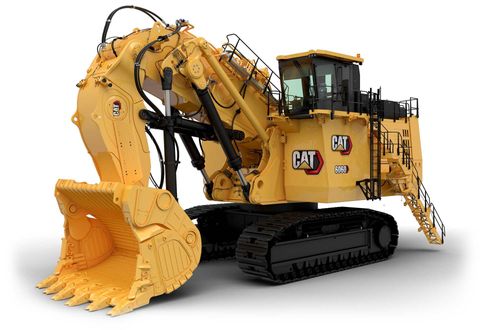
Hydraulic mining shovels are a type of excavator specifically engineered for high-production mining environments. Unlike standard construction excavators, these machines are significantly larger and more robust. They are commonly deployed in open-pit mines, oil sands operations, and large quarry sites.
Major global manufacturers such as Caterpillar Inc., Komatsu Ltd., Hitachi Construction Machinery, and Liebherr Group produce hydraulic mining shovels with operating weights ranging from around 100 tonnes to over 800 tonnes.
The key components of a hydraulic mining shovel include:
-
Undercarriage with heavy-duty tracks
-
Upper structure (house) with engine and hydraulic systems
-
Boom and stick assembly
-
High-capacity bucket
-
Operator cab with advanced control systems
The defining feature is the hydraulic system. High-pressure hydraulic cylinders control the boom, stick, and bucket, allowing precise and powerful movements. This system enables efficient digging and faster cycle times compared to older cable shovels.
Hydraulic mining shovels exist to meet the demand for high-volume material extraction. As mining operations expanded in scale and depth, traditional methods became less efficient. Hydraulic systems improved flexibility, reliability, and productivity in harsh mining environments.
Importance
Hydraulic mining shovels play a central role in surface mining productivity. Their performance directly influences output rates, fuel efficiency, and overall operational planning.
They matter today for several reasons:
Improved productivity
Modern hydraulic mining shovels are designed for high cycle efficiency. Faster digging and loading cycles mean more material moved per hour, which supports consistent production targets in large mines.
Compatibility with large haul trucks
These machines are typically paired with ultra-class haul trucks, forming a coordinated loading system. Proper matching improves fleet optimization and reduces idle time.
Enhanced safety systems
Advanced models include collision avoidance systems, real-time monitoring, and ergonomic cabins that reduce operator fatigue. These features align with evolving occupational health and safety standards.
Environmental performance
Newer hydraulic systems are designed for improved fuel efficiency and lower emissions. In mining regions with strict environmental regulations, this is increasingly important.
The following table summarizes key operational characteristics:
| Feature | Hydraulic Mining Shovel | Electric Rope Shovel |
|---|---|---|
| Power Source | Diesel or hybrid | Electric grid |
| Mobility | High | Moderate |
| Cycle Time | Faster in many cases | Consistent, steady |
| Maintenance Complexity | Hydraulic components | Cable systems |
| Application Flexibility | High | High in fixed areas |
Industries affected by hydraulic mining shovel operations include:
-
Surface mining companies
-
Mining engineering firms
-
Industrial equipment manufacturing
-
Heavy machinery maintenance providers
-
Environmental and regulatory authorities
These machines help address the challenge of extracting large volumes of material efficiently while maintaining compliance with safety and environmental standards.
Recent Updates
Over the past year, several trends have influenced hydraulic mining shovel development and deployment.
Electrification and hybrid systems
In 2025, leading manufacturers announced expanded research into hybrid drive systems and partial electrification. This shift supports global decarbonization goals and aligns with corporate sustainability reporting frameworks.
Digital monitoring and predictive analytics
Throughout 2025, companies continued integrating advanced telematics and predictive maintenance tools into mining equipment. Real-time data tracking helps identify hydraulic pressure anomalies, temperature fluctuations, and wear patterns before major failures occur.
Automation and operator assistance
In late 2024 and early 2025, updates to semi-autonomous operation systems were introduced in certain models. These systems assist operators with precise digging angles, automated loading sequences, and improved cycle consistency.
Stronger emission compliance
Updated emission standards in regions such as the European Union and North America have pushed manufacturers to develop engines meeting the latest environmental guidelines. This has influenced engine design and fuel system efficiency in newly released models.
These updates reflect a broader trend toward data-driven mining operations, where heavy equipment performance is closely monitored and optimized.
Laws or Policies
Hydraulic mining shovels are subject to various laws and regulatory frameworks depending on the country of operation.
Occupational health and safety regulations
In the United States, mining equipment must comply with standards enforced by the Mine Safety and Health Administration. These regulations address operator safety, machine guarding, emergency systems, and maintenance practices.
In India, oversight is provided by the Directorate General of Mines Safety, which sets guidelines for equipment inspection, safe operation, and accident reporting in mining environments.
Environmental regulations
Emission standards for diesel engines in heavy machinery are regulated under national environmental laws. For example:
-
EU Stage V emission standards in Europe
-
Tier 4 Final standards in the United States
-
Bharat Stage norms for non-road machinery in India
These rules influence engine technology, exhaust after-treatment systems, and fuel management systems in hydraulic mining shovels.
Mining permits and reporting
Mining companies must often submit environmental impact assessments and operational reports. Equipment performance data can be part of compliance documentation, especially when demonstrating emission reductions or energy efficiency improvements.
Adhering to these laws ensures safer working conditions, reduced environmental impact, and regulatory compliance across jurisdictions.
Tools and Resources
Several tools and resources support understanding and managing hydraulic mining shovel operations.
Fleet management software
Many mining companies use digital fleet management platforms to monitor fuel consumption, engine health, cycle times, and hydraulic pressure metrics.
Telematics systems
Integrated telematics allow real-time equipment tracking, performance dashboards, and predictive maintenance alerts. These systems contribute to operational efficiency and reduced downtime.
Engineering simulation software
Mining engineers use simulation tools to analyze loading patterns, bucket fill factors, and cycle optimization strategies. This helps align shovel capacity with haul truck size.
Fuel consumption calculators
Industrial fuel efficiency calculators estimate fuel use per tonne of material moved. These tools are useful for evaluating performance benchmarks.
Maintenance management systems
Computerized maintenance management systems (CMMS) help schedule inspections, track component lifecycles, and maintain regulatory documentation.
Technical documentation portals
Manufacturers provide detailed operation manuals, hydraulic schematics, and safety guidelines through official websites and technical libraries.
Together, these tools help mining operators improve equipment reliability, comply with safety standards, and maintain efficient excavation processes.
FAQs
What is the main difference between a hydraulic mining shovel and a standard excavator?
A hydraulic mining shovel is significantly larger and designed specifically for high-production mining operations. It has a much greater bucket capacity, stronger structural components, and enhanced hydraulic systems compared to standard construction excavators.
How does a hydraulic system improve mining efficiency?
Hydraulic systems use pressurized fluid to control movement. This allows precise and powerful control of the boom and bucket, resulting in faster cycle times and efficient material loading.
Are hydraulic mining shovels environmentally compliant?
Modern models are designed to meet regional emission standards. They incorporate advanced engine technologies and exhaust treatment systems to align with environmental regulations in countries where they operate.
What factors affect hydraulic mining shovel performance?
Performance depends on bucket size, hydraulic pressure, engine power, operator skill, material density, and proper matching with haul trucks. Maintenance practices also significantly influence reliability and productivity.
Can hydraulic mining shovels operate in extreme climates?
Yes. These machines are engineered for harsh environments, including high temperatures, freezing conditions, and abrasive mining materials. However, climate-specific maintenance and lubrication practices are necessary.
Conclusion
Hydraulic mining shovels are central to modern surface mining operations. They combine advanced hydraulic engineering, heavy-duty structural design, and digital monitoring systems to support large-scale material extraction.
As environmental regulations tighten and operational efficiency becomes more data-driven, these machines continue to evolve. Recent advancements in electrification, predictive maintenance, and automation demonstrate how the mining equipment industry is adapting to new technical and regulatory demands.