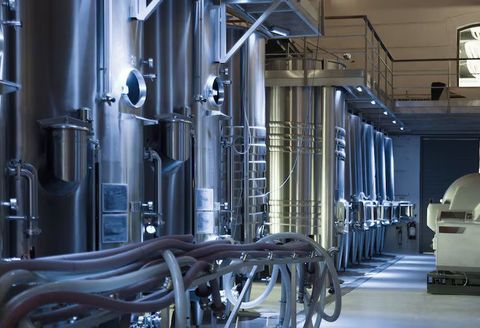
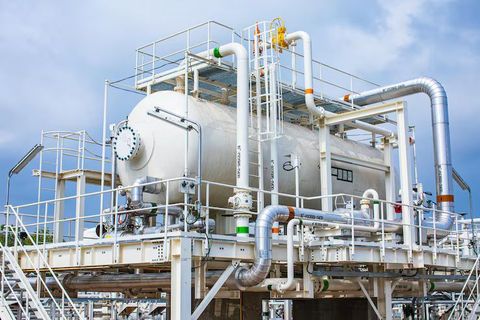
The growth of the petrochemical industry accelerated during the 20th century as industrial manufacturing expanded and demand increased for synthetic materials and chemical-based products. Modern petrochemical facilities use advanced refining systems, chemical reactors, separation technologies, and automated industrial controls to process raw hydrocarbon materials into usable chemical compounds.
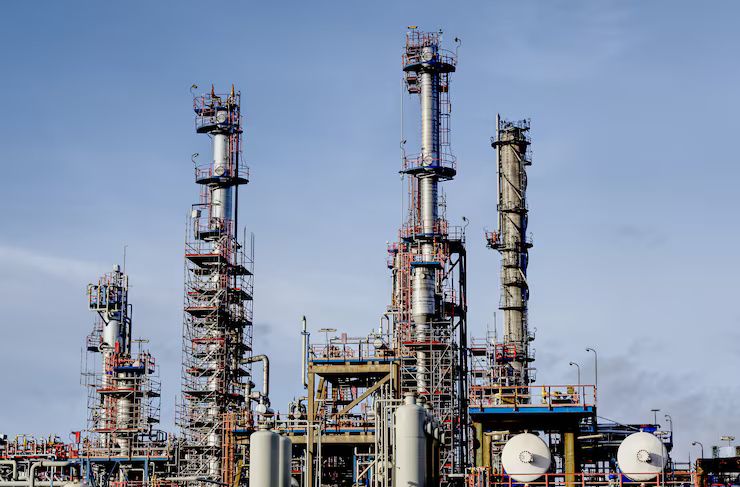
Petrochemical production generally begins with feedstocks obtained from crude oil refining or natural gas processing. These feedstocks are transformed through thermal and chemical processes into intermediate chemicals and final industrial materials. Large petrochemical complexes often integrate refining, chemical processing, storage systems, and transportation infrastructure within the same industrial network.
Common petrochemical products include:
- Ethylene and propylene
- Synthetic rubber
- Industrial solvents
- Fertilizer materials
- Plastic resins
- Chemical coatings
- Synthetic fibers
The industry plays an important role in global manufacturing and industrial supply chains.
Importance
The petrochemical industry is important because it supports the production of materials used across transportation, healthcare, construction, packaging, and industrial manufacturing sectors.
Support for Manufacturing Industries
Petrochemical products are widely used as raw materials in industrial production. Many manufacturing sectors depend on petrochemical-based materials for product development and infrastructure systems.
Industries connected to petrochemical production include:
| Industry | Petrochemical Application | Purpose |
|---|---|---|
| Packaging | Plastic resin production | Product packaging |
| Automotive | Synthetic rubber and plastics | Vehicle components |
| Construction | Insulation and coatings | Building materials |
| Agriculture | Fertilizer production | Crop support |
| Textiles | Synthetic fiber manufacturing | Fabric production |
These materials support large-scale industrial manufacturing and consumer product development.
Infrastructure and Industrial Development
Petrochemical systems contribute to infrastructure projects, transportation systems, utility networks, and industrial machinery production. Chemical materials produced through petrochemical processing are commonly used in pipes, insulation systems, industrial coatings, and engineering plastics.
Applications include:
- Water pipeline systems
- Electrical insulation materials
- Construction membranes
- Industrial lubricants
- Fuel processing systems
These materials are integrated into modern industrial infrastructure.
Global Trade and Supply Chains
The petrochemical industry is closely connected to international trade and industrial supply networks. Petrochemical products are transported globally for use in manufacturing plants, packaging facilities, agricultural operations, and chemical industries.
Large-scale petrochemical operations often include:
- Storage terminals
- Export facilities
- Pipeline systems
- Shipping infrastructure
- Industrial logistics networks
These systems help manage the movement of raw materials and finished chemical products.
Production Processes
Petrochemical production involves multiple stages designed to convert hydrocarbon feedstocks into chemical materials and industrial compounds.
Feedstock Preparation
The production process begins with feedstocks obtained from crude oil refining or natural gas processing facilities.
Common petrochemical feedstocks include:
- Naphtha
- Ethane
- Propane
- Butane
- Methane
These materials are processed further inside petrochemical plants depending on the required chemical products.
Cracking Process
Cracking is one of the main petrochemical production methods. During cracking, hydrocarbon molecules are broken into smaller compounds using heat, pressure, or catalysts.
Major cracking methods include:
- Steam cracking
- Catalytic cracking
- Thermal cracking
This process produces important petrochemical building blocks such as ethylene and propylene.
Chemical Separation and Distillation
After cracking, chemical mixtures pass through separation systems to isolate individual compounds.
Industrial separation equipment may include:
- Distillation columns
- Heat exchangers
- Compression systems
- Condensation units
These systems help separate hydrocarbons according to boiling points and chemical properties.
Polymerization and Chemical Conversion
Intermediate petrochemical compounds are converted into plastics, synthetic materials, and industrial chemicals through chemical reaction systems.
Common conversion processes include:
- Polymerization
- Oxidation
- Hydrogenation
- Alkylation
These processes create materials used in manufacturing and industrial production.
Storage and Distribution
Finished petrochemical products are stored in industrial tanks, pipelines, or transport systems before shipment to manufacturing facilities and industrial users.
Industrial Systems
Modern petrochemical facilities use large-scale industrial systems designed for continuous processing and operational monitoring.
Refining and Processing Equipment
Petrochemical plants contain integrated processing systems capable of operating under high temperatures and pressure conditions.
Common industrial equipment includes:
- Reactors
- Compressors
- Heat exchangers
- Pumps
- Industrial pipelines
These systems support continuous chemical production activities.
Automation and Process Control
Digital monitoring and automation systems help manage temperature, pressure, flow rates, and chemical reactions within petrochemical facilities.
Control systems may include:
- Distributed control systems
- Real-time process monitoring
- Safety shutdown systems
- Predictive maintenance platforms
Automation improves operational coordination and equipment management.
Safety and Environmental Systems
Petrochemical facilities use specialized systems to manage industrial safety and environmental protection requirements.
Examples include:
- Fire suppression systems
- Gas detection equipment
- Emission monitoring systems
- Wastewater treatment facilities
These systems support industrial risk management and regulatory compliance.
Global Applications
Petrochemical products are used in many sectors connected to modern manufacturing and infrastructure development.
Plastics and Packaging Industry
One of the largest applications of petrochemical products is plastic manufacturing for packaging, storage, and transportation systems.
Applications include:
- Food packaging
- Industrial containers
- Consumer product packaging
- Medical packaging materials
Automotive and Transportation
Vehicle production depends on petrochemical materials for interior systems, tires, insulation, and synthetic components.
Examples include:
- Synthetic rubber tires
- Dashboard materials
- Seat foam systems
- Lubricant production
Construction and Infrastructure
Petrochemical materials are widely used in building systems and infrastructure projects.
Construction applications include:
- PVC piping
- Waterproof membranes
- Insulation materials
- Protective coatings
Healthcare and Medical Applications
Some medical products and healthcare materials are connected to petrochemical manufacturing systems.
Applications include:
- Medical tubing
- Protective gloves
- Sterile packaging
- Laboratory materials
Recent Updates
Between 2024 and 2026, the petrochemical industry continued adapting to sustainability efforts, digital transformation, and changing industrial demand.
Growth of Advanced Chemical Technologies
Manufacturers are developing improved chemical processing systems designed for higher efficiency and lower emissions.
Research areas include:
- Advanced catalysts
- Energy-efficient reactors
- Carbon management technologies
- Chemical recycling systems
Expansion of Digital Industrial Systems
Petrochemical facilities increasingly use automation, artificial intelligence, and predictive monitoring systems.
Recent developments include:
- AI-assisted process analysis
- Remote equipment monitoring
- Automated safety systems
- Digital maintenance platforms
Focus on Recycling and Circular Economy
Industries are increasing investment in plastic recycling technologies and chemical recovery systems to reduce industrial waste.
Environmental Management Improvements
Petrochemical companies continue upgrading emission control systems, wastewater treatment infrastructure, and energy management technologies.
Laws or Policies
The petrochemical industry is regulated through environmental laws, industrial safety rules, and international trade policies.
Environmental Regulations
Petrochemical facilities are commonly regulated for:
- Air emissions
- Chemical waste management
- Wastewater discharge
- Hazardous material handling
Environmental compliance is monitored through industrial inspection systems and reporting requirements.
Workplace Safety Standards
Industrial safety regulations often focus on:
- Fire prevention systems
- Gas leak detection
- Pressure equipment inspection
- Emergency response planning
Safety management is important due to the use of flammable and high-pressure materials.
Energy and Industrial Policies
Governments may introduce industrial development policies related to:
- Domestic chemical production
- Energy infrastructure
- Environmental sustainability
- Industrial modernization
Policy approaches vary across regions depending on energy resources and industrial priorities.
Tools and Resources
Several technical tools and digital platforms support petrochemical production and industrial management.
Process Simulation Software
Engineers use simulation software to model chemical reactions and optimize industrial production systems.
Industrial Monitoring Platforms
Digital monitoring systems track pressure, temperature, emissions, and equipment performance within petrochemical facilities.
Engineering and Safety Databases
Technical resources help engineers evaluate material compatibility, safety procedures, and process conditions.
These resources may include:
- Chemical property databases
- Equipment specification guides
- Industrial safety references
- Process design manuals
FAQs
What is the petrochemical industry?
The petrochemical industry converts crude oil and natural gas materials into chemical products used in plastics, fertilizers, synthetic fibers, coatings, and industrial manufacturing.
What are common petrochemical products?
Common petrochemical products include ethylene, propylene, synthetic rubber, plastic resins, industrial solvents, and chemical coatings.
How does the petrochemical production process work?
The process involves feedstock preparation, cracking, chemical separation, conversion reactions, storage, and industrial distribution systems.
Which industries use petrochemical materials the most?
Industries commonly using petrochemical materials include packaging, automotive manufacturing, construction, agriculture, healthcare, and textile production.
Why are industrial systems important in petrochemical facilities?
Industrial systems help manage chemical reactions, pressure conditions, temperature control, safety operations, and continuous production processes within petrochemical plants.
Conclusion
The petrochemical industry is an important part of global industrial manufacturing and infrastructure development. Petrochemical production processes transform hydrocarbon feedstocks into chemical materials used across packaging, transportation, construction, agriculture, and healthcare sectors. Modern petrochemical facilities rely on advanced industrial systems, automation technologies, and safety infrastructure to support large-scale operations. Recent developments in recycling technologies, digital monitoring, and environmental management continue influencing the industry. Regulations and industrial policies also shape how petrochemical production systems operate and evolve worldwide.