Gypsum Board Manufacturing Explained: Production Process, Machinery & Construction Applications
Gypsum boards have become an essential material in modern construction. They are widely used for walls, ceilings, partitions, and interior finishing because they are lightweight, durable, and easy to install.
Out of today’s factories roll sheets shaped by speed, precision, and steady rhythms of automation. These aren’t just walls waiting to happen - they’re built strong on purpose, made to fit where heat shifts, moisture lingers, or silence matters most.
Start here. Gypsum boards begin as raw material mixed into a slurry, slowly shaped between paper liners on moving belts. Machines spread the mix evenly while rollers press it flat, setting thickness by adjustable gaps. Heat tunnels dry each panel, removing moisture so edges can be trimmed cleanly later. Some lines cut panels right after drying, others store sheets first before packaging. These walls go up fast because they resist fire better than wood frames alone. Builders screw them onto studs where insulation already sits behind. Homes get covered inside out using these large flat pieces made daily in long factory runs.
How Gypsum Boards Are Made?
Out of raw gypsum comes a method, done in factories, shaping it into flat sheets for building interiors. These panels go up on walls or stretch across ceilings during construction work. The whole thing turns soft mineral stuff into rigid pieces through heating and mixing steps. Factories handle the transformation using molds, drying ovens, and precise thickness control. What results are common materials found behind paint or texture in many rooms.
Starting off, gypsum gets blended with certain additives. Then comes shaping - long panels take form steadily. After that, heat removes moisture during a drying phase. Finally, trimming adjusts each piece to fit common dimensions.
Manufacturing plants focus on:
- Uniform board thickness
- Smooth surface quality
- Strong structural performance
- Efficient large-scale production
Quality stays steady on various boards because of these elements.
Understanding Gypsum Boards?
Inside two sheets of heavy paper sits a core formed mostly from crushed mineral known as gypsum. These flat pieces get used where walls or ceilings go up during building work.
Instead of old-style plaster walls, these show up a lot since setup moves faster plus jobs finish quicker.
Some common characteristics include:
- Lightweight structure
- Smooth finishing surface
- Easy interior installation
- Good fire resistance properties
These qualities make gypsum boards widely used in residential and commercial projects.
Materials in Gypsum Board Making
Starting off, what goes into making gypsum boards shapes how good they turn out. A board’s performance ties closely to the substances chosen at the start. Materials picked early on decide much of the final result. From beginning to end, the ingredients matter more than most realize. What ends up in the mix changes everything down the line.
Main Raw Materials
- Gypsum powder as the core material
- Paper liners for outer covering
- Water for slurry preparation
- Additives for strength and performance
Exact amounts go into each batch so every panel stays strong and even. Consistency comes from precise handling during production.
Take some additives - they can boost how well a material handles dampness or holds its shape, based on what it's being used for.
Gypsum Board Production Steps
From raw gypsum, each step moves carefully forward - precision guides the change into solid building panels. Stage by stage, adjustments shape the material without rush. Control stays constant throughout the shift from stone to board.
1. Raw Material Preparation
First up, gather the gypsum along with whatever else is needed. Then mix them together before moving forward. After that comes shaping the blend into forms. Once shaped, let it sit until firm. Finally, check each piece for consistency.
Fine powder forms when gypsum gets crushed, then it's blended with extras that boost how well the board works. While mixing happens, certain materials go in to strengthen results across uses.
Right now, machines handle the mix to keep things precise. What happens is the system adjusts amounts without guessing. Through this step, consistency comes from steady control. Instead of people measuring, equipment manages ratios exactly. At every point, the process stays balanced because tech runs it.
2. Slurry Mixing
A splash of water joins gypsum powder, stirring into a runny blend. Some extras slip in, shifting the mix toward silkiness.
A wet mix makes up the middle part of the drywall sheet.
Mixing well matters since lumpy blends weaken boards and spoil smooth finishes.
3. Board Forming Process
Pouring happens first - slurry spreads across a traveling paper sheet. On top of that, an additional paper layer lands, building what becomes a steady board shape.
From start to finish in shaping, exactness in size holds steady. A consistent feel comes through precise handling of dimensions during creation.
4. Setting and Shaping
Midway along the conveyor, the wet plaster starts setting into solid form.
Out comes each board, sized just right, then set aside for drying. Next step begins only once they’re trimmed to fit. Drying waits for no one - pieces move fast after shaping.
5. Drying Process
Even after being shaped, the boards hold onto dampness. Through big drying machines they go, shaking out leftover wet.
Strength grows here, making the form hold together better. Stability builds as parts lock into place more firmly.
Faults like splits or warping show up when heat isn’t managed well.
6. finishing and edge formation
After drying, boards may undergo additional finishing processes.
This can include:
- Edge shaping for easier installation
- Surface smoothing
- Size trimming for dimensional accuracy
After everything is set, things work better when building. How smoothly it runs depends on these last moves.
7. Inspection and Packaging
Bent at the edges, each sheet gets checked - thickness first, then how well it resists breaking. A smooth face matters just as much, so fingers run across every inch looking for flaws.
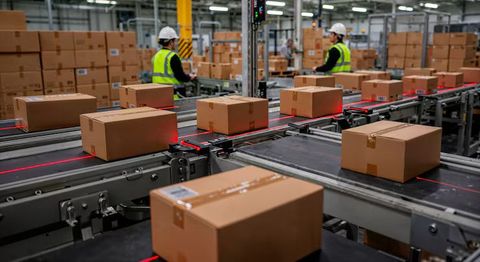
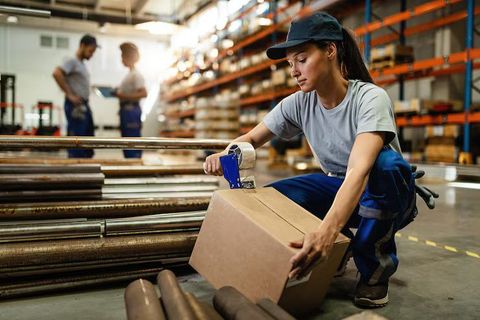
Once checked, these items get arranged neatly - then boxed up before moving on toward factory supply chains.
Machinery Used in Gypsum Board Manufacturing
Faster machines shape today's drywall, pushing steady results through automated steps. Precision lives inside each panel thanks to smart engineering behind the scenes.
Common Machinery
- Raw material feeding systems
- Industrial mixers for slurry preparation
- Continuous forming machines
- Drying chambers and conveyor systems
- Cutting and edge-finishing equipment
Working as a unit, these machines keep production moving without hiccups. One feeds into the next, forming a steady rhythm across the line.
Machines work faster when tasks run on their own, yet spill less raw stuff along the way.
Automation in manufacturing matters
Automation has significantly improved gypsum board production in modern plants.
Machines keep things steady by boosting speed while checking how well products turn out moment by moment.
Manufacturers can control:
- Board thickness and dimensions
- Drying temperature and moisture levels
- Material flow during production
- Surface finishing consistency
Fewer mistakes happen during manufacturing because it works more reliably. The system runs smoother, which cuts down on faults made while building things.
Types of Gypsum Boards
Different gypsum board categories are manufactured for specific construction requirements.
Standard Gypsum Boards
Built homes often feature them inside, on walls or overhead surfaces. They fit well where people live daily.
Moisture-Resistant Boards
Moisture-heavy spots like kitchens see these panels used often. Bathrooms? They fit right in there too.
Fire-Resistant Boards
Fires stay less likely thanks to secret ingredients baked into the panels. These sheets work where safety runs first. Tougher protection hides inside each layer by design.
Acoustic Boards
Sound quality gets a boost in workplaces, cinemas, even stores because of these panels. Though quiet spaces feel more natural now, much depends on proper placement across walls and ceilings where noise slips through.
Using gypsum boards in building projects
From homes to factories, gypsum boards show up just about everywhere building happens. Whether it's an office block or a house going up, they’re part of the frame story. Factories, shops, apartments - these panels fit right in during construction.
Residential Buildings
Inside houses, gypsum boards often show up on walls or stretch across ceilings. They also shape into fancy details now and then. Some folks pick them for looks, others for how they go up fast.
Commercial Construction
Most office spaces along with motels, even malls, rely on plaster panels since these make inside walls easier to handle. Though lightweight, they cut down steps during setup.
Industrial and Institutional Spaces
Besides homes, schools lean on gypsum boards because they go up fast. Factories choose them too - simple to fit into tight schedules. Even hospitals stick with these panels; they just work without fuss.
Ceiling and Partition Systems
Lightweight by design, gypsum boards often appear in ceiling setups. Their low weight makes them a frequent choice for room dividers too.
From ceilings to walls, gypsum boards now fit nearly every part of today’s buildings. Their role has grown far beyond old expectations.
Gypsum Board Manufacturing Benefits
Modern gypsum board production provides several important benefits.
Key Advantages
- Faster construction and installation
- It moves without weighing much. Handling feels smooth, almost like guiding a feather through air
- Smooth finishing for interiors
- Better fire and sound performance
Gypsum boards show up often in today’s construction because they bring practical benefits. Their presence answers common needs without drawing attention.
Problems Making Gypsum Boards
Even with today's tools, making gypsum boards comes with stubborn hurdles.
Faulty output often creeps in when speed overrides care in mass runs.
Keeping moisture in check while things dry matters - spotty drying might change how well the board works.
Faults in structure often start long before assembly begins. Careless handling of supplies opens the door to weakness later on. A single impurity can undo precise engineering work. Oversight at the source shapes how well parts hold up. Poor oversight spreads through every layer built afterward.
Folks are paying more attention to the planet now, especially since factories aim to toss less stuff away while using power smarter. Though it started slowly, cleaner operations have begun shaping how businesses run today.
What’s next in gypsum board production
Nowadays machines shape gypsum boards faster than before. Still factories care more about waste since new rules changed how things work. Progress shows up most where energy use drops without slowing output.
Emerging Trends
- Smart automated production systems
- Lightweight high-strength boards
- Water sticks less. Flames find it harder to catch hold
- Energy-efficient manufacturing processes
Fresh ideas are pushing makers toward better results while meeting today’s building demands.
Gypsum Board Used in Walls and Ceilings
A fresh office space might feature walls and ceilings made of gypsum panels. These materials shape rooms without heavy construction. Imagine lightweight sections dividing areas smoothly. They support clean layouts inside new work environments. Often hidden above suspended grids, they form flat overhead surfaces. Their role stays out of sight but remains essential.
Out there, a light build cuts down setup time. A sleek surface brings better looks inside.
Mold won’t spread easily if the right board type is picked for damp offices. Sound moves slower through certain panels when spaces need quiet.
From start to finish, these panels make building faster while allowing changes on the fly.
Conclusion
Out of chalky dust and water, sheets take shape slowly inside roaring factories. Machines hum as layers settle under careful control. Precision guides each step without pause. Panels emerge flat, uniform, ready for walls. Factories stack them neatly after drying ends.
Slurry mixing kicks things off, shaping what comes later. Moving through each phase shifts how the material behaves. Drying locks in traits built earlier. Finishing touches reflect steps taken before. How it ends ties back to where it began.
Nowadays machines help make plasterboard faster while using less waste. Efficiency grows when factories adapt new methods instead of old habits. Special types emerge not just for walls but unique building needs too. Progress means better materials without harming nature so much. Modern sites focus on smart changes rather than big promises.

Related Post...