The growth of IoT technology is closely linked to advances in electronics manufacturing, wireless communication, cloud computing, and sensor development. Early connected devices were limited to basic monitoring functions, but modern IoT systems can collect real-time information, automate processes, and support data-driven decision-making. Today, IoT device manufacturing is an important part of the broader electronics industry, supporting digital transformation across multiple sectors.
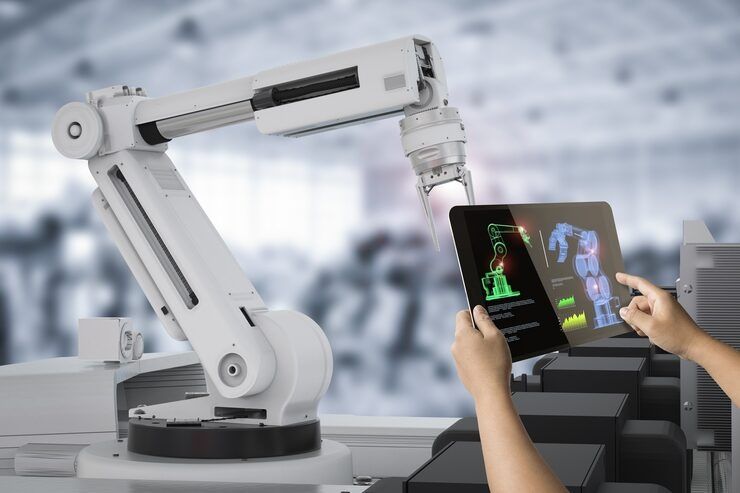
Common IoT devices include smart sensors, industrial monitoring equipment, connected appliances, wearable technology, environmental monitoring systems, and automated control devices. These products combine hardware, software, and communication technologies to create connected systems capable of sharing information across networks.
Importance
IoT device manufacturing plays an important role in modern technology infrastructure because connected devices help organizations monitor operations, improve efficiency, and collect valuable data. As industries increasingly adopt digital technologies, demand for IoT-enabled equipment continues to grow.
Support for Real-Time Monitoring
One of the primary functions of IoT devices is collecting and transmitting information from physical environments. Sensors embedded in connected systems can monitor temperature, pressure, movement, humidity, energy usage, and equipment performance.
Industries commonly using IoT monitoring systems include:
| Industry | IoT Application | Purpose |
|---|---|---|
| Manufacturing | Equipment monitoring | Production oversight |
| Agriculture | Soil and climate sensors | Resource management |
| Healthcare | Patient monitoring devices | Health data collection |
| Logistics | Asset tracking systems | Supply chain visibility |
| Energy | Smart meters | Consumption monitoring |
These systems provide continuous access to operational information and performance metrics.
Improved Operational Efficiency
Connected devices help organizations identify inefficiencies, monitor equipment conditions, and automate routine tasks. Data collected by IoT systems can support maintenance planning and operational decision-making.
For example, IoT devices may be used to:
- Monitor machine performance
- Track inventory movement
- Measure environmental conditions
- Detect equipment abnormalities
These capabilities help organizations manage resources more effectively.
Growth of Digital Infrastructure
IoT technology supports the expansion of smart cities, industrial automation, intelligent transportation systems, and connected utilities. As digital infrastructure becomes more widespread, IoT devices are increasingly integrated into public and private networks.
Connected systems support applications such as traffic monitoring, energy management, environmental observation, and facility management. This broad adoption continues influencing how industries operate and exchange information.
Smart Technologies
Smart technologies form the foundation of modern IoT devices. These technologies allow devices to collect data, communicate with networks, and respond to changing conditions.
Sensor Technology
Sensors are among the most important components of IoT devices. They gather information from the surrounding environment and convert physical measurements into digital data.
Common sensor types include:
- Temperature sensors
- Motion sensors
- Pressure sensors
- Humidity sensors
- Light sensors
The selection of sensors depends on the intended application and operating environment.
Wireless Communication Systems
IoT devices use communication technologies to exchange information with other devices and cloud-based platforms. Connectivity allows real-time data transmission and remote system monitoring.
Common communication methods include:
- Wi-Fi networks
- Bluetooth technology
- Cellular communication
- Low-power wide-area networks
- Satellite communication systems
Different communication options are selected based on coverage requirements, power consumption, and data volume.
Embedded Processors
Most IoT devices contain microcontrollers or processors that manage sensor inputs, communication functions, and device operations. These components process information locally before transmitting data to connected systems.
Embedded processors help devices:
- Analyze sensor data
- Manage power usage
- Control automated functions
- Support network communication
Advances in semiconductor technology continue improving processor performance and efficiency.
Cloud Integration
Many IoT systems are connected to cloud platforms where collected data is stored, analyzed, and visualized. Cloud integration enables organizations to monitor devices across multiple locations from centralized interfaces.
Cloud-based systems may support:
- Data storage
- Performance dashboards
- Automated alerts
- Device management
This integration has become a common feature in modern connected technologies.
Manufacturing Process
IoT device manufacturing involves multiple stages that combine electronics production, software development, and quality testing.
Product Design and Development
The manufacturing process begins with device design and engineering. Teams define hardware specifications, communication requirements, sensor selection, and software architecture.
Design considerations often include:
- Connectivity requirements
- Power consumption
- Environmental conditions
- Data processing capabilities
Product development also includes prototype testing before production begins.
Electronic Component Assembly
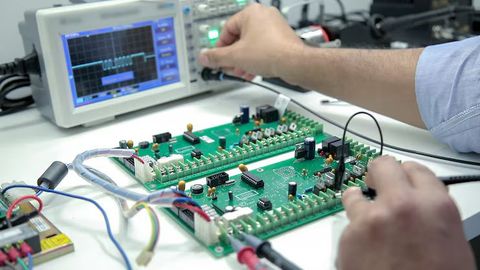
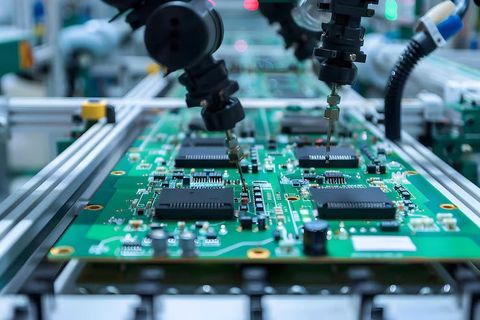
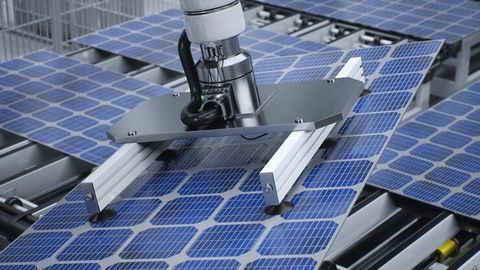
IoT devices contain circuit boards, processors, communication modules, sensors, and power management systems. These components are assembled using precision manufacturing equipment.
The assembly process typically involves:
- Printed circuit board production
- Component placement
- Soldering operations
- Hardware integration
Automation is widely used during electronics assembly to improve consistency and accuracy.
Software Installation
After hardware assembly, device software is installed and configured. Firmware controls device functions, communication protocols, and sensor operations.
Software-related tasks include:
- Firmware programming
- Security configuration
- Network setup
- Functional testing
Software reliability is important because it directly influences device performance.
Testing and Inspection
IoT devices undergo multiple quality control procedures before deployment.
Testing may include:
- Connectivity verification
- Sensor accuracy testing
- Environmental performance checks
- Battery evaluation
- Data transmission analysis
These inspections help ensure devices operate as intended under different conditions.
Industrial Applications
Industrial applications represent one of the largest areas of IoT adoption. Connected systems help organizations improve visibility into operations and equipment performance.
Smart Manufacturing
Factories use IoT devices to monitor machinery, track production activity, and analyze operational data. Connected sensors provide information about machine conditions and manufacturing performance.
Applications include:
- Equipment monitoring
- Predictive maintenance
- Production tracking
- Quality control systems
These technologies support industrial automation initiatives.
Energy and Utilities
Utility providers use IoT devices for monitoring electricity, water, and gas infrastructure. Smart metering systems help collect consumption data and support resource management.
Connected systems may also monitor:
- Power distribution networks
- Renewable energy installations
- Water treatment facilities
- Utility infrastructure performance
Logistics and Transportation
IoT technology is widely used in transportation and supply chain operations. Connected devices provide information about asset location, shipment conditions, and fleet performance.
Applications include:
- Vehicle tracking systems
- Cargo monitoring devices
- Warehouse management systems
- Route optimization platforms
These systems improve visibility throughout transportation networks.
Agriculture and Environmental Monitoring
Agricultural operations use IoT devices to monitor environmental conditions and support resource management. Connected sensors can track soil conditions, weather patterns, and irrigation systems.
Environmental monitoring applications include:
- Air quality measurement
- Water quality observation
- Climate monitoring
- Resource management systems
Recent Updates
Between 2024 and 2026, IoT device manufacturing continued evolving through advances in connectivity, artificial intelligence integration, and industrial automation.
Expansion of AI-Enabled Devices
Many IoT manufacturers are integrating artificial intelligence capabilities directly into connected devices. Edge computing systems allow devices to process data locally instead of relying entirely on cloud infrastructure.
Applications include:
- Automated anomaly detection
- Smart monitoring systems
- Predictive analytics
- Real-time decision support
Growth of Industrial IoT
Industrial IoT adoption continues increasing in manufacturing, energy, logistics, and infrastructure sectors. Organizations are expanding connected device networks to improve operational visibility and maintenance planning.
Improved Connectivity Standards
Advancements in wireless communication technologies are supporting faster data transmission, broader coverage, and improved device interoperability.
These developments help connected systems operate more efficiently across different environments.
Focus on Cybersecurity
As IoT adoption grows, device security remains an important consideration. Manufacturers are placing greater emphasis on secure communication protocols, software updates, and data protection measures.
Laws or Policies
IoT device manufacturing is influenced by regulations related to electronics production, communication standards, cybersecurity, and data protection.
Product Safety Standards
Connected devices must often comply with technical standards related to electrical safety, electromagnetic compatibility, and product reliability.
Data Protection Regulations
Many regions have regulations governing how connected systems collect, store, and process data. Manufacturers may incorporate privacy and security measures into device design and operation.
Wireless Communication Requirements
IoT devices using wireless technologies may need to comply with communication regulations and spectrum usage requirements established by national authorities.
Environmental Compliance
Electronics manufacturers often follow environmental requirements related to material usage, recycling practices, and electronic waste management.
Tools and Resources
Several technical tools and platforms support IoT device development and manufacturing.
Hardware Design Software
Engineering teams use design software to create circuit layouts, electronic schematics, and hardware prototypes.
IoT Development Platforms
Development platforms help engineers test connectivity, manage devices, and evaluate communication performance during product development.
Device Management Systems
Organizations use device management platforms to monitor connected equipment, deploy updates, and track operational status.
Testing and Certification Resources
Testing tools help manufacturers verify device performance, communication reliability, and compliance with applicable standards.
FAQs
What is IoT device manufacturing?
IoT device manufacturing is the process of designing, assembling, programming, and testing connected devices that collect and exchange data through communication networks.
What technologies are used in smart technologies and IoT devices?
Smart technologies commonly use sensors, wireless communication systems, embedded processors, cloud platforms, and software applications to support connected operations.
How do connected systems work in industrial applications?
Connected systems use sensors and communication networks to collect information, transmit data, and support monitoring or automation activities within industrial environments.
Which industries use IoT devices the most?
Industries commonly using IoT devices include manufacturing, healthcare, agriculture, transportation, logistics, energy, and environmental management.
Why are industrial applications important for IoT technology?
Industrial applications help organizations monitor equipment, improve operational efficiency, support maintenance planning, and analyze performance data through connected systems.
Conclusion
IoT device manufacturing combines electronics production, software development, and communication technologies to create connected systems used across modern industries. Smart technologies enable devices to collect data, monitor operations, and support digital infrastructure development. Industrial applications continue expanding as organizations adopt connected equipment for manufacturing, logistics, energy management, and environmental monitoring. Advances in artificial intelligence, connectivity standards, and cybersecurity are shaping the future of IoT systems. Regulations and technical standards also play an important role in guiding device design, operation, and data management.