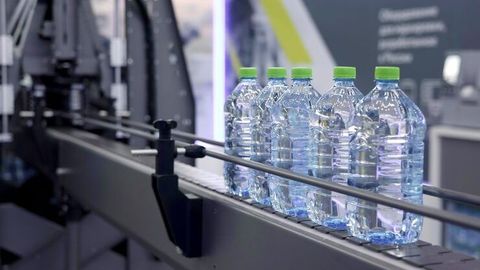
Modern plastic bottle manufacturing has evolved into a highly efficient industrial process supported by advanced machinery, automation technologies, and precision quality control systems. Manufacturers focus on producing lightweight, durable, and consistent packaging solutions that meet the requirements of various industries.
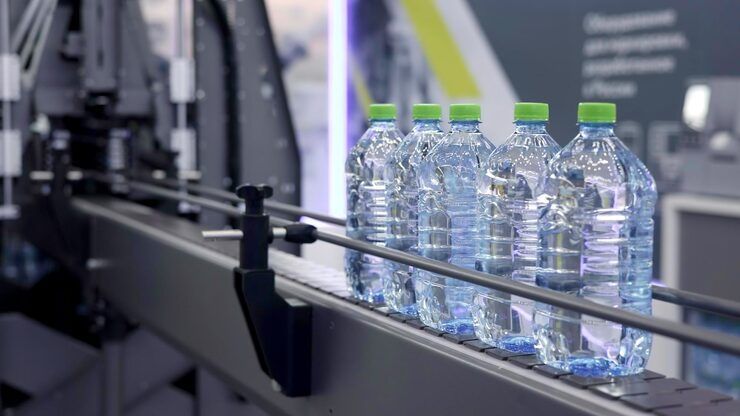
In this guide, we’ll explore how plastic bottles are manufactured, the machinery involved in production, and the packaging applications that make them essential in modern supply chains.
What Is Plastic Bottle Manufacturing?
Plastic bottle manufacturing is the industrial process of converting plastic raw materials into bottles and containers used for packaging liquids, powders, and other products.
The process involves material preparation, molding, shaping, cooling, and finishing operations to create bottles with specific sizes, shapes, and performance characteristics.
Modern manufacturing facilities focus on:
- Consistent bottle dimensions
- Lightweight yet durable designs
- Efficient large-scale production
- Reliable packaging performance
These factors help manufacturers maintain quality while meeting growing market demand.
Importance of Plastic Bottles in Packaging
Packaging plays a critical role in protecting products and supporting efficient transportation.
Plastic bottles are widely used because they provide:
- Lightweight handling and transportation
- Strong durability and impact resistance
- Flexible design options
- Efficient storage and distribution capabilities
These advantages have made plastic bottles a preferred packaging solution across multiple industries.
Types of Plastic Bottles
Different bottle types are manufactured depending on the intended application and product requirements.
Beverage Bottles
These bottles are commonly used for water, juices, soft drinks, and other beverages.
They are designed to provide durability while maintaining product freshness.
Personal Care Bottles
Personal care packaging includes bottles used for shampoos, lotions, liquid soaps, and cosmetic products.
These bottles often feature customized designs and dispensing systems.
Pharmaceutical Bottles
Pharmaceutical packaging requires precise manufacturing standards to ensure product safety and reliability.
Household Product Bottles
Cleaning products and household liquids are commonly packaged in specially designed plastic containers.
Industrial Packaging Bottles
Industrial bottles are manufactured for storing chemicals, lubricants, and process liquids.
These containers often require enhanced durability and chemical resistance.
Raw Materials Used in Plastic Bottle Production
The quality of plastic bottles depends heavily on the raw materials used during manufacturing.
Common Plastic Materials
- PET (Polyethylene Terephthalate)
- HDPE (High-Density Polyethylene)
- LDPE (Low-Density Polyethylene)
- PP (Polypropylene)
- Specialized packaging polymers
Each material is selected based on the product's storage and performance requirements.
For example, PET is widely used for beverage packaging because of its clarity, strength, and lightweight properties.
Plastic Bottle Manufacturing Process
The production process involves multiple stages designed to create durable and consistent packaging products.
1. Raw Material Preparation
The process begins with preparing plastic resin materials.
The raw material is inspected and processed before entering the production line.
Proper material quality is essential for maintaining bottle consistency.
2. Plastic Melting Process
Plastic resin is heated and melted under controlled temperatures.
The molten material is then prepared for shaping and molding operations.
Precise temperature control helps maintain product quality and structural integrity.
3. Preform Manufacturing
For many bottle types, especially PET bottles, a preform is created first.
A preform resembles a small test-tube-shaped component that will later be expanded into the final bottle shape.
4. Blow Molding Process
The preform is heated and placed inside a bottle mold.
Compressed air expands the material against the mold walls, creating the desired bottle shape.
This stage determines:
- Bottle dimensions
- Neck design
- Structural consistency
Blow molding is one of the most important stages in bottle production.
5. Cooling and Stabilization
After molding, bottles are cooled to maintain their shape and strength.
Proper cooling helps prevent deformation and ensures dimensional accuracy.
6. Trimming and Finishing
Excess material is removed and bottle surfaces are inspected.
Finishing operations may also include neck adjustments and quality improvements.
7. Inspection and Quality Control
Every production batch undergoes inspection to ensure quality standards are met.
Common checks include:
- Dimensional accuracy
- Wall thickness consistency
- Leak resistance testing
- Structural integrity evaluation
These inspections help ensure reliable packaging performance.
8. Packaging and Distribution
Finished bottles are packaged and prepared for transportation to filling facilities and manufacturing plants.
Machinery Used in Plastic Bottle Manufacturing
Modern bottle production relies on advanced industrial machinery to maintain efficiency and precision.
Common Machinery
- Plastic injection molding machines
- Blow molding equipment
- Material feeding systems
- Cooling and conveyor systems
- Automated inspection equipment
- Packaging and stacking systems
These machines help improve production speed while maintaining consistent product quality.
Automation also reduces manual handling and operational errors.
Importance of Blow Molding Technology
Blow molding is the core technology used in plastic bottle manufacturing.
This process allows manufacturers to create lightweight containers with consistent wall thickness and precise dimensions.
Benefits of Blow Molding
- High production efficiency
- Uniform bottle quality
- Flexible design possibilities
- Reduced material consumption
Because of these advantages, blow molding remains the dominant manufacturing method for bottle production.
Packaging Applications of Plastic Bottles
Plastic bottles support numerous packaging applications across different industries.
Food and Beverage Industry
Water, juices, cooking oils, and various beverage products rely heavily on plastic bottle packaging.
Personal Care Industry
Shampoos, lotions, liquid soaps, and cosmetic products commonly use plastic containers.
Pharmaceutical Packaging
Medicine and healthcare products require durable and reliable packaging solutions.
Household Products
Cleaning liquids and maintenance products are often packaged in specialized plastic bottles.
Industrial Applications
Industrial chemicals, lubricants, and process fluids also depend on durable bottle packaging systems.
These applications demonstrate the versatility of plastic bottle manufacturing.
Advantages of Modern Plastic Bottle Manufacturing
Modern manufacturing technologies provide several important benefits.
Key Advantages
- High production efficiency
- Lightweight packaging solutions
- Consistent product quality
- Flexible design and customization options
These improvements help manufacturers meet large-scale packaging demands efficiently.
Challenges in Plastic Bottle Manufacturing
Despite technological advancements, manufacturers still face several production challenges.
Maintaining consistent material quality is important because variations can affect bottle performance and durability.
Production facilities must also manage dimensional accuracy and process stability during high-speed operations.
Additionally, sustainability and material efficiency continue to be important priorities across the packaging industry.
Future Trends in Plastic Bottle Manufacturing
The industry continues evolving through advanced manufacturing technologies and sustainable packaging innovations.
Emerging Trends
- Smart automated production systems
- Lightweight packaging designs
- Improved recycling and material recovery technologies
- High-efficiency manufacturing equipment
These developments are helping improve productivity while supporting environmental responsibility.
Practical Example of Plastic Bottle Applications
Consider a modern beverage production facility where thousands of bottles move through automated filling and packaging lines every hour.
Each bottle is manufactured with precise dimensions to ensure compatibility with filling equipment, labeling systems, and transportation requirements.
This demonstrates how plastic bottle manufacturing supports efficient packaging operations across modern industries.
Conclusion
Plastic bottle manufacturing is a highly organized industrial process that combines advanced materials, precision machinery, and automated production technologies to create reliable packaging solutions.
From raw material preparation and blow molding to inspection and distribution, every stage contributes to product quality and packaging performance.
As packaging requirements continue evolving, modern plastic bottle manufacturing will remain essential for supporting food, beverage, healthcare, personal care, and industrial supply chains worldwide.